
Peterbilt Conventional Daycab Trucks For Sale in Nebraska
Shop Peterbilt conventional daycab trucks for sale in Nebraska. Compare specs, wheelbases, engines, axles, and vocational applications.
Learn more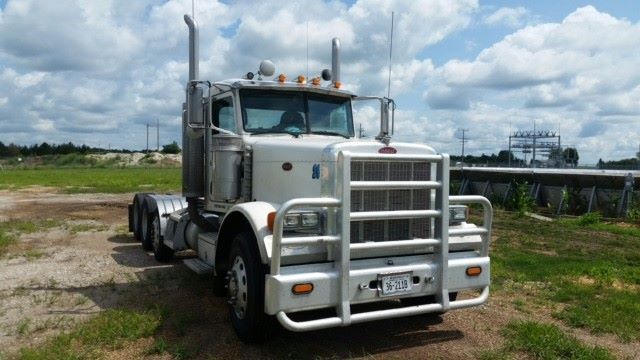
Have peterbilt conventional daycab truck to sell? List it here to reach thousands of buyers.
About Peterbilt Conventional Daycab Trucks in Nebraska
On Peterbilt models, buyers will commonly compare long-hood platforms like the 379 with newer aerodynamic trucks such as the 579. The 379 remains popular for its traditional layout, serviceability, and owner-operator appeal, while the 579 is often chosen for fuel economy, driver comfort, and modern electronics. Engine options in this class frequently include PACCAR MX-series and Cummins power, with horsepower often configured anywhere from the low 400s into the 500 hp range depending on application. Transmission choices can include manual, automated manual, and full automatic setups. Rear axle ratings, suspension type, wheelbase, and axle ratio deserve close attention because they directly affect startability, bridge compliance, fuel mileage, and how well the truck fits end-dump, pneumatic, van, or flatbed service.
Spec matching matters more on a daycab than many buyers expect. A shorter wheelbase can improve turning radius and dock access, but it may limit deck plate space, fuel capacity, or how the truck balances with certain trailers. For Nebraska operations that see interstate miles, crosswinds, and seasonal weather swings, look at engine brake performance, front axle capacity, tire size, locking differentials if needed, and the condition of the air ride suspension. Interior considerations still matter even without a sleeper. Visibility, steering column adjustment, seat condition, HVAC output, switch layout, PTO provisions, and fifth wheel slide travel all affect daily productivity and driver acceptance.
A good Peterbilt daycab should be evaluated as a working specification, not just a badge and model number. Check frame integrity, service records, emissions system history, clutch or transmission performance, and signs of heavy PTO or vocational use. If the truck will spend most of its life on short regional turns, focus on idle management, cab ergonomics, and maintenance access. If it will run heavier gross weights or agricultural routes, prioritize axle ratings, gearing, suspension durability, and brake condition. The right conventional daycab delivers a clean balance of maneuverability, durability, and operating efficiency for Nebraska freight markets.
Frequently Asked Questions
What is the main advantage of a Peterbilt conventional daycab over a sleeper tractor?
The main advantage is a shorter, lighter tractor built for local and regional work where overnight accommodations are unnecessary. A daycab usually improves maneuverability, reduces tare weight, and can lower maintenance complexity compared with a sleeper truck. That makes it a strong fit for dedicated routes, agricultural hauling, terminal work, and operations that need more usable payload or easier access to tight yards and docks.
Which Peterbilt models are common in the conventional daycab category?
Common examples include traditional long-hood models like the Peterbilt 379 and newer aerodynamic models such as the Peterbilt 579. The 379 is often favored by buyers who want a classic platform, straightforward service access, and strong owner-operator appeal. The 579 is more commonly selected for fuel economy, improved aerodynamics, driver comfort, and newer powertrain and electronic systems.
What specs matter most when buying a Peterbilt daycab?
The most important specs depend on the trailer and freight, but key items include engine make and horsepower, transmission type, rear axle ratio, wheelbase, suspension, front and rear axle ratings, fifth wheel setup, and fuel capacity. Buyers should also check whether the truck has PTO capability, engine brake, air slide fifth wheel, and the right tire and wheel configuration for the intended gross weight and terrain. These details affect fuel economy, startability, legal payload, ride quality, and trailer compatibility.
Are Peterbilt daycabs good for Nebraska hauling applications?
Yes, Peterbilt daycabs are commonly used in Nebraska for regional dry van, livestock support, feed hauling, hopper and grain work, tanker service, and local flatbed operations. The best setup depends on route length, weather exposure, and the type of trailer being pulled. Nebraska buyers often benefit from paying close attention to axle ratios, engine brake performance, suspension condition, and wheelbase because those factors affect highway efficiency, rural road drivability, and yard maneuverability.
Should I choose a long-hood Peterbilt daycab or an aerodynamic model?
A long-hood truck like a 379 often appeals to buyers who value traditional styling, simpler packaging, and certain vocational or owner-operator preferences. An aerodynamic model like a 579 is typically better for fleets focused on fuel economy, driver comfort, and newer emissions-era features. The right choice comes down to use case, service support, total operating cost, and whether appearance, efficiency, or spec flexibility is the higher priority.