
Peterbilt Conventional Daycab Trucks For Sale in Alabama
Shop Peterbilt conventional daycab trucks in Alabama. Compare specs, wheelbase, horsepower, drivetrain, axle ratings, and vocational setup.
Learn more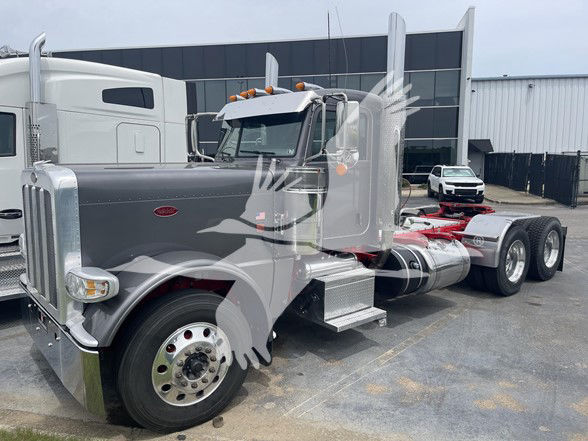
Have peterbilt conventional daycab truck to sell? List it here to reach thousands of buyers.
About Peterbilt Conventional Daycab Trucks in Alabama
For most buyers, the spec starts with engine, transmission, and rear axle ratio. Peterbilt daycabs are commonly found with PACCAR MX engines and, depending on the model and build purpose, can be paired with manual, automated, or automatic transmissions. Horsepower and torque should match the load and terrain. A higher-horsepower setup with an 18-speed manual and a deeper rear ratio is better suited for heavy trailers, jobsite routes, and start-stop work. A more moderate spec can be the better fit for fuel-sensitive regional lanes. Wheelbase is another major decision because it affects trailer swing clearance, bridge law flexibility, ride quality, and how the truck handles in tight yards.
The Peterbilt conventional daycab market includes premium highway models like the 389 along with other configurations aimed at mixed fleet and vocational use. Buyers should pay close attention to axle ratings, suspension type, and frame layout. Tandem axle 6x4 trucks remain the standard for pulling loaded semis, lowboys, dumps, and specialty trailers. Air-ride and air-leaf suspensions are common choices, with air-leaf often favored for its balance of durability and road manners. If the truck has a wet kit, that adds value for end dump, walking floor, or hydraulic trailer applications. Aluminum wheels, aerodynamic trims, and weight-conscious components can also matter when payload and appearance both count.
Condition matters just as much as spec. On a used Peterbilt daycab, buyers should review mileage, engine history, clutch or transmission service, suspension wear, kingpin and front-end condition, brake life, and signs of frame modification. In Alabama heat and humidity, cooling system condition and cab interior wear deserve extra attention. A well-matched Peterbilt conventional daycab can serve as a dependable regional tractor, a sharp owner-operator truck, or a vocational workhorse with the right drivetrain, wheelbase, and PTO-ready setup.
Frequently Asked Questions
What is a Peterbilt conventional daycab truck best used for?
A Peterbilt conventional daycab is best suited for regional hauling, local freight, port drayage, heavy equipment moves, dump trailer work, and other operations where the truck returns home daily. The conventional hood layout provides strong cooling capacity, easy engine access, and a ride quality many drivers prefer. Without a sleeper, the truck usually weighs less and offers a shorter overall package than a comparable road tractor with bunk space.
Which specs matter most when buying a used Peterbilt daycab?
The key buying points are engine rating, transmission type, rear axle ratio, wheelbase, axle capacity, suspension, and PTO or wet kit equipment if hydraulic trailer work is planned. These specs determine how the truck accelerates, what it can legally and practically haul, and how well it fits your trailers and routes. Buyers should also verify mileage, maintenance records, emissions system history, and any prior frame or driveline modifications.
Is a Peterbilt 389 daycab a good choice for heavy hauling?
A Peterbilt 389 daycab can be an excellent heavy-haul or severe-service choice when it is properly spec'd. Higher-horsepower engines, manual transmissions such as an 18-speed, tandem drive axles, and deeper rear ratios make it more capable with heavy loads and demanding terrain. The long-hood platform is also popular with owner-operators who want durability, serviceability, and a premium conventional truck design.
What is the advantage of a wet kit on a daycab truck?
A wet kit allows the tractor to power hydraulic trailer functions, which is important for end dumps, live floors, lowboys with hydraulic equipment, and certain specialty trailers. Buying a Peterbilt daycab with a wet kit already installed can save time and upfit expense compared with adding one later. Buyers should confirm the hydraulic system type, tank condition, plumbing layout, and PTO compatibility with the intended trailer.
How does wheelbase affect a conventional daycab truck?
Wheelbase affects turning radius, ride quality, weight distribution, trailer clearance, and how the truck handles with different trailer lengths. A shorter wheelbase can improve maneuverability in yards, jobsites, and urban routes. A longer wheelbase can improve stability and appearance, and it may better suit certain vocational bodies or frame-mounted equipment. The right choice depends on trailer type, kingpin setting, axle spacing, and the roads the truck will run.