
Conventional Daycab Trucks For Sale in Ohio
Shop conventional daycab trucks in Ohio. Compare specs, wheelbase, engine, transmission, axle ratio, and regional hauling applications.
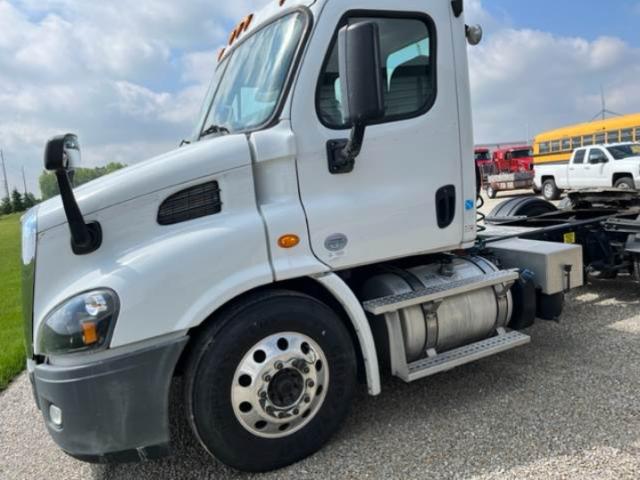
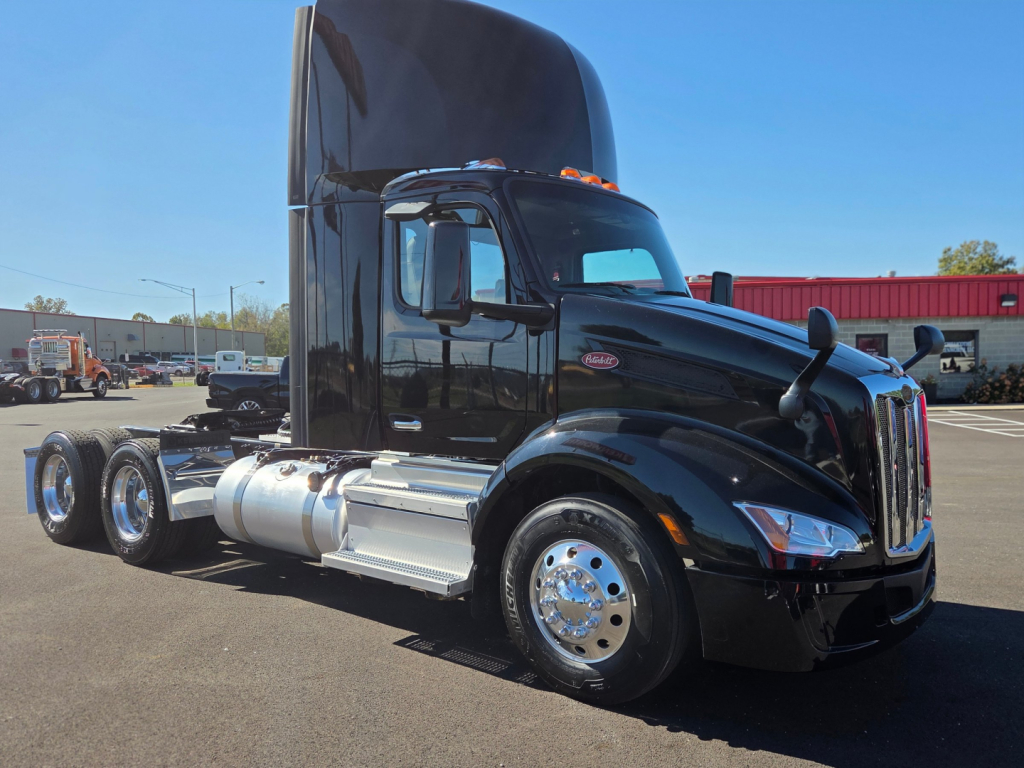
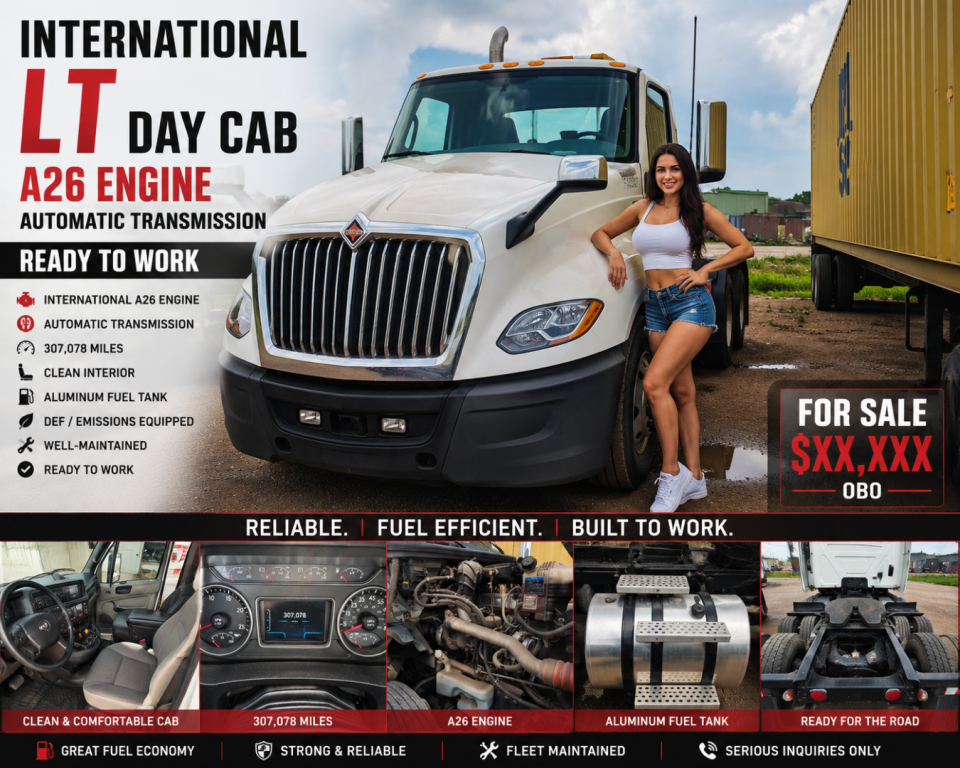
Selling a conventional daycab truck? List your conventional daycab truck for sale and reach thousands of commercial buyers.
Conventional Daycab Trucks in Ohio
The main buying decisions usually come down to engine, transmission, wheelbase, and rear axle ratio. Popular platforms in this category include models like the Freightliner Cascadia, International LT, Peterbilt 579 daycab, Kenworth T680 daycab, and Volvo VNL daycab. Horsepower often falls in the 350 to 500 range, with torque selected around load type and terrain. Automated manual transmissions are common in newer regional fleets, while 10-speed and 13-speed manual transmissions still appeal to buyers who want lower acquisition cost or driver preference. Wheelbase affects turning radius, bridge law compliance, and trailer gap, so it should match the freight you pull and the dock environment you run in.
Spec details matter more on a daycab than many buyers expect. A 3.36 to 3.70 axle ratio can change how the truck performs in stop-and-go service versus steady highway speeds. Engines such as the Detroit DD13 and DD15, Cummins X15, PACCAR MX-13, and International A26 are common in this class, and each has a different service network footprint, fuel economy profile, and emissions history. Buyers should also look closely at front axle capacity, suspension type, fifth wheel setup, tire configuration, and cab equipment. Collision mitigation, lane departure warning, adaptive cruise control, LED lighting, and tire inflation systems are increasingly common and can add value in high-utilization operations.
For Ohio operations, rust, frame condition, and undercarriage exposure deserve extra attention because of winter road treatment and year-round weather swings. A clean daycab with documented maintenance, good aftertreatment history, and a drivetrain spec that fits the route is usually a better buy than a higher-horsepower truck with the wrong gearing. The best conventional daycab trucks balance durability, fuel economy, driver comfort, and uptime. Focus on application first, then match the tractor to trailer type, average payload, annual miles, and service support in your operating area.
Frequently Asked Questions about Conventional Daycab Trucks in Ohio
What is a conventional daycab truck used for?
A conventional daycab truck is a highway tractor without a sleeper compartment, designed for runs where the driver returns the same day or does not need overnight accommodations. It is commonly used for regional hauling, port and rail drayage, local freight, tanker work, dump applications, food and beverage distribution, and dedicated shuttle routes. The shorter cab and lighter overall configuration usually improve maneuverability and can increase payload efficiency compared with a sleeper tractor.
What specs matter most when buying a used conventional daycab?
The most important specs are engine rating, transmission type, rear axle ratio, wheelbase, axle capacities, and fifth wheel position. These directly affect fuel economy, startability, cruising rpm, turning radius, and trailer compatibility. Buyers should also review emissions system service history, suspension type, tire setup, brake condition, and electronic safety equipment. A truck with the right drivetrain for the route and load usually performs better than one with a higher horsepower rating but mismatched gearing.
Is a daycab better than a sleeper for regional freight?
For many regional and local operations, a daycab is the more efficient choice. It generally weighs less, costs less to maintain, and is easier to maneuver in yards, terminals, and city delivery environments. A sleeper still makes sense when routes involve overnight runs, team driving, or long dwell times. The right choice depends on dispatch pattern, driver requirements, and how often the truck operates away from the home terminal.
What wheelbase is best for a conventional daycab truck?
The best wheelbase depends on trailer length, axle spread requirements, and where the truck operates. Shorter wheelbases usually improve maneuverability for city work, container hauling, and tight dock access. Longer wheelbases can help with ride quality, weight distribution, and certain trailer combinations. Buyers should confirm that the wheelbase, kingpin setting, and fifth wheel placement will work with their trailer fleet and state bridge law requirements.
What should buyers in Ohio inspect on a used daycab truck?
In Ohio, buyers should pay close attention to frame rails, crossmembers, suspension components, brake hardware, wiring, and cab mounts for corrosion or winter-related wear. It is also smart to inspect the aftertreatment system, look for fault code history, and verify maintenance records for engine, transmission, and differential service. Tire condition, alignment wear, and signs of hard regional stop-and-go use can reveal a lot about how the truck was operated and maintained.