
Mack Conventional Daycab Trucks For Sale in Montana
Browse Mack conventional daycab trucks built for regional haul, tanker, bulk, and vocational work with strong power, tight spec flexibility, and durability.
Learn more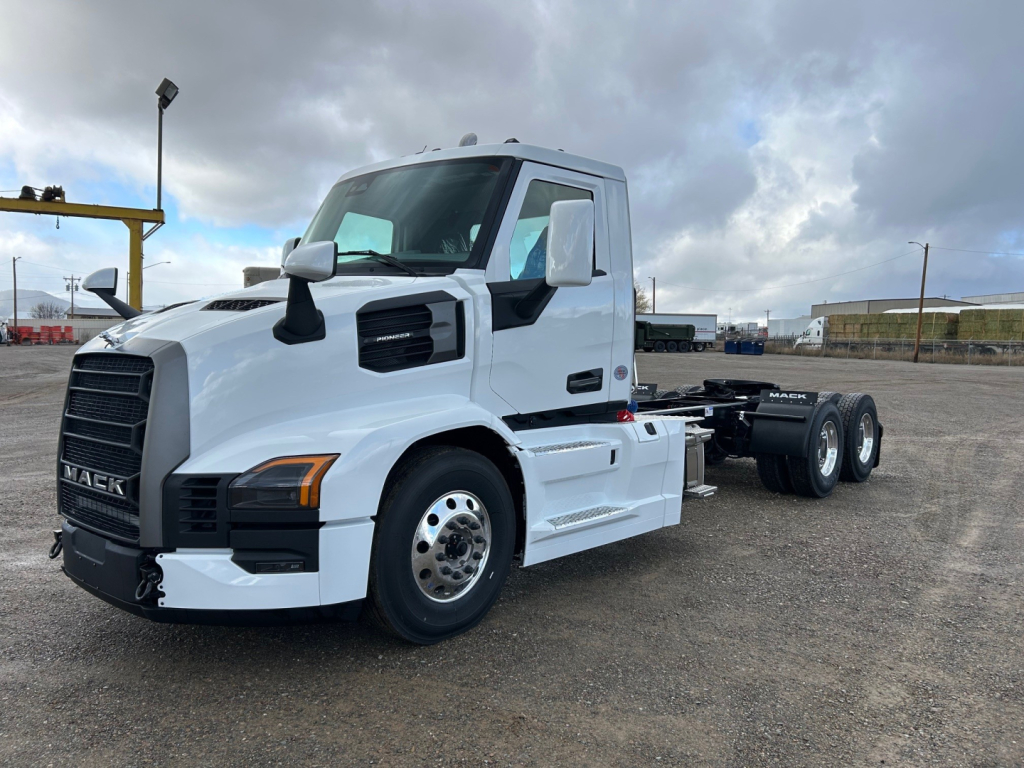
Have mack conventional daycab truck to sell? List it here to reach thousands of buyers.
About Mack Conventional Daycab Trucks in Montana
On the spec side, Mack daycabs are commonly ordered with MP-series diesel engines and the mDRIVE automated manual transmission, a pairing known for strong low-end torque and straightforward fleet serviceability. Horsepower and torque should match the trailer, terrain, and average gross weight, especially in a state where long grades, wind, and winter roads can change how a truck feels under load. Tandem rear axles, around 40,000-lb rear ratings, front axles in the 12,000-lb class, and GVWRs above 50,000 lbs are common in highway-oriented daycab specs. Air-ride suspension, disc brakes, aluminum wheels, and rear axle ratios tuned for fuel economy or startability are all worth comparing across listings, especially if the truck will split time between interstate speed and stop-and-go vocational duty.
Mack conventional daycabs also appeal to buyers who want a durable platform for specialized upfits or task-specific trailer work. Tanker and bulk operators often look for a balanced wheelbase and sliding fifth wheel to help with load distribution and trailer interchange. Regional freight buyers may prioritize lighter spec choices, aerodynamic trim, and overdrive gearing to keep fuel burn under control. Vocational users tend to focus more on frame layout, PTO compatibility, suspension choice, and brake package. A clean chassis spec matters because it affects body-builder flexibility, turning radius, and how easily the truck can be adapted for the next job if the operation changes.
The smart buy in this category is usually the truck whose drivetrain, wheelbase, and axle package match the route profile instead of the highest horsepower number on the page. Mack has a strong reputation for rugged chassis design, stable road manners, and integrated powertrain components, which is important for fleets trying to simplify maintenance and for owner-operators watching downtime closely. When comparing Mack conventional daycab trucks for sale, pay close attention to rear ratio, transmission calibration, suspension capacity, and cab configuration. Those details tell you how the truck will pull, ride, turn, and hold up in real service.
Frequently Asked Questions
What are Mack conventional daycab trucks commonly used for?
Mack conventional daycab trucks are commonly used for regional haul, tanker, bulk commodity work, local freight, agricultural support, and vocational applications that do not require overnight accommodations. The daycab layout reduces overall chassis length and weight compared with a sleeper tractor, which helps with maneuverability, payload efficiency, and easier access in yards, plants, and delivery points.
What specs matter most when buying a Mack daycab?
The most important specs are wheelbase, front and rear axle ratings, suspension type, rear axle ratio, engine horsepower and torque, transmission, and fifth wheel setup. These details determine trailer compatibility, legal weight distribution, gradeability, ride quality, and fuel economy. A truck spec that looks similar on paper can behave very differently depending on gearing, suspension capacity, and wheelbase.
Is a Mack daycab a good choice for Montana hauling conditions?
A Mack daycab can be a strong fit for Montana operations when it is spec'd for long grades, crosswinds, seasonal temperature swings, and mixed highway-vocational use. Buyers should look closely at horsepower, torque, axle ratio, brake package, and suspension because mountain pulls and winter conditions place more demand on the drivetrain and chassis than flat regional routes. Matching the truck to average gross weight is especially important in this market.
Are Mack mDRIVE transmissions good for daycab applications?
Mack mDRIVE automated transmissions are widely used in daycab applications because they offer consistent shifting, reduced driver fatigue, and integrated communication with the engine for efficient operation. They are especially useful in regional haul and stop-and-go work where shift quality and driveline protection matter. Buyers should still confirm the transmission model, overdrive setup, and calibration because those settings affect launch performance and cruising RPM.
What is the advantage of a daycab over a sleeper tractor?
A daycab typically weighs less, costs less to operate, and is easier to maneuver than a sleeper tractor. It is better suited for routes where the driver returns daily and does not need a bunk. The shorter cab package can also improve visibility and make it easier to configure the chassis for tanker, bulk, and local freight applications where turning room and trailer swing clearance are important.