
Kenworth Conventional Daycab Trucks For Sale in Alabama
Shop Kenworth conventional daycab trucks with specs for regional haul, vocational work, heavy spec applications, and fleet use.
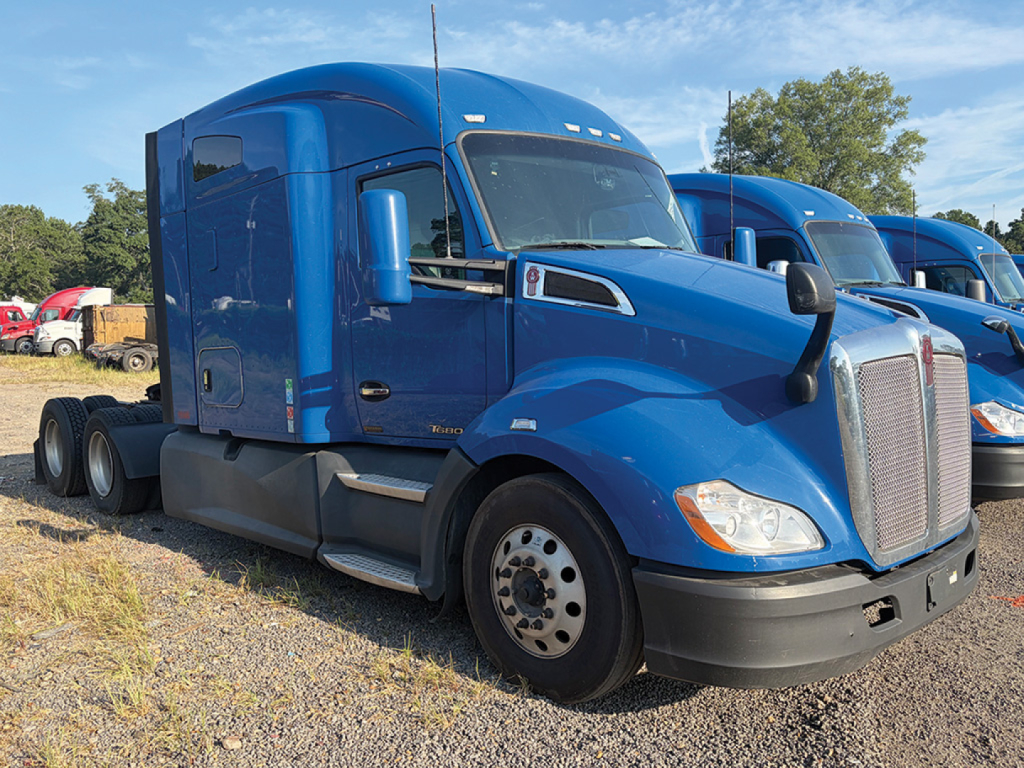
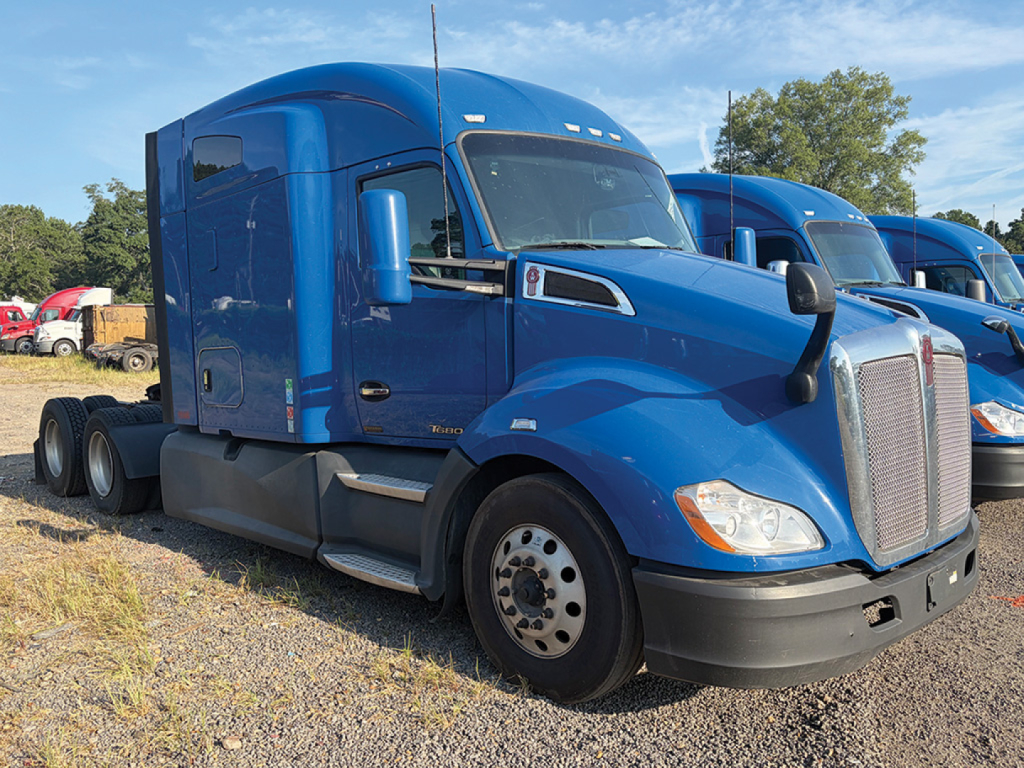
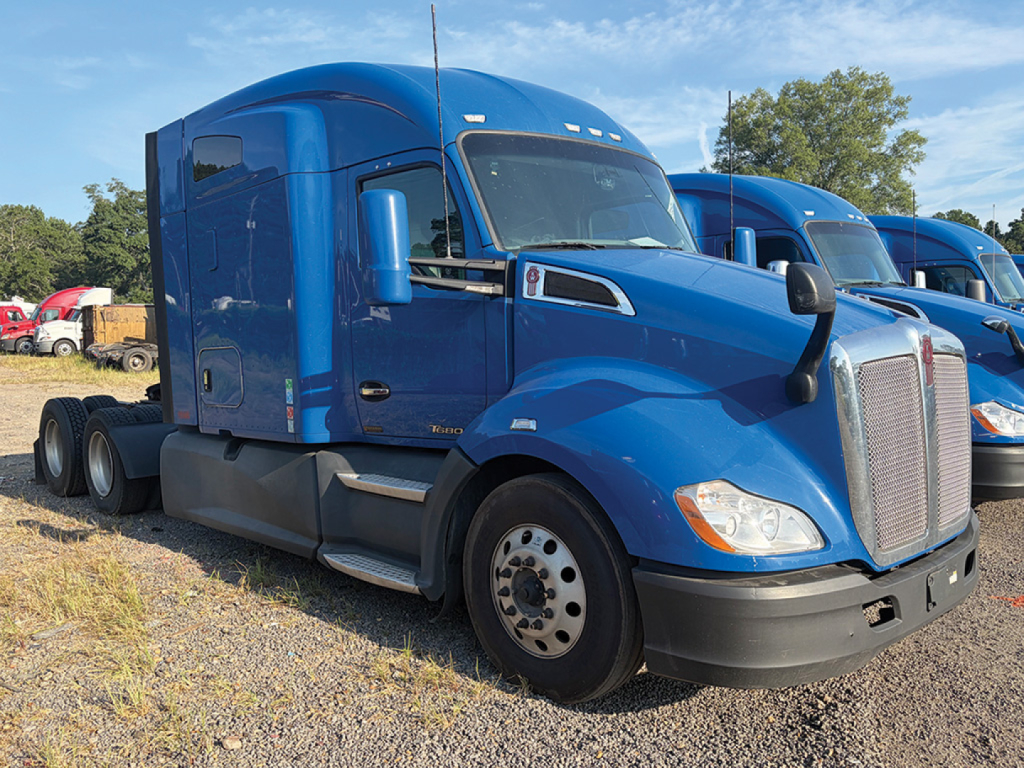
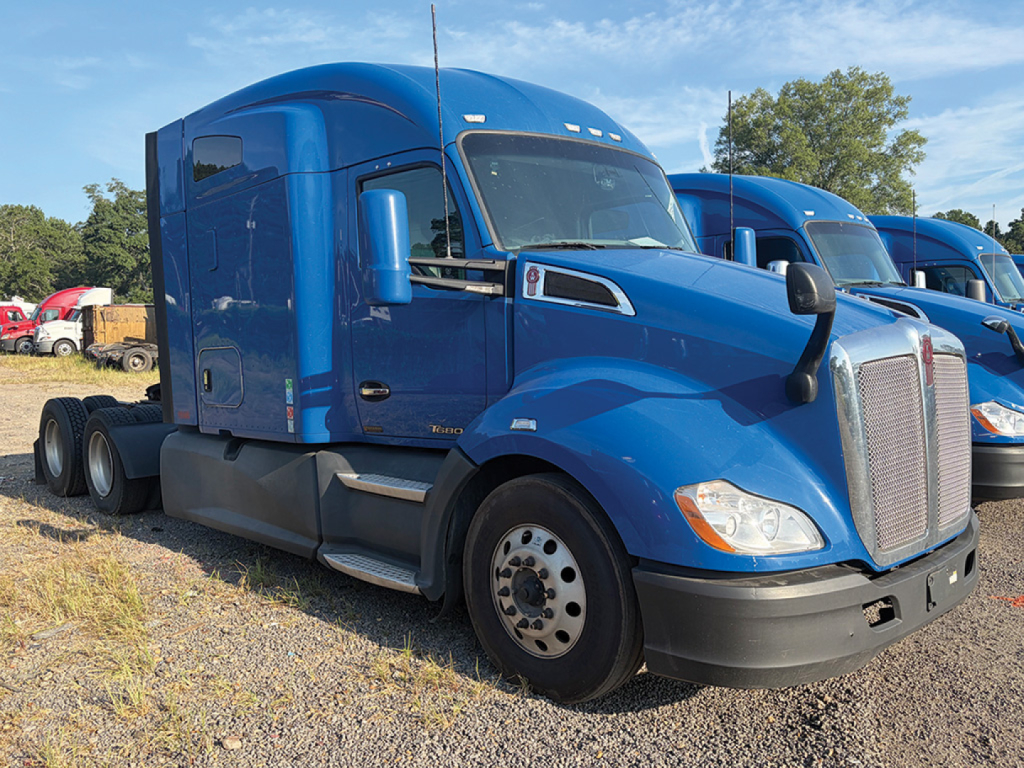
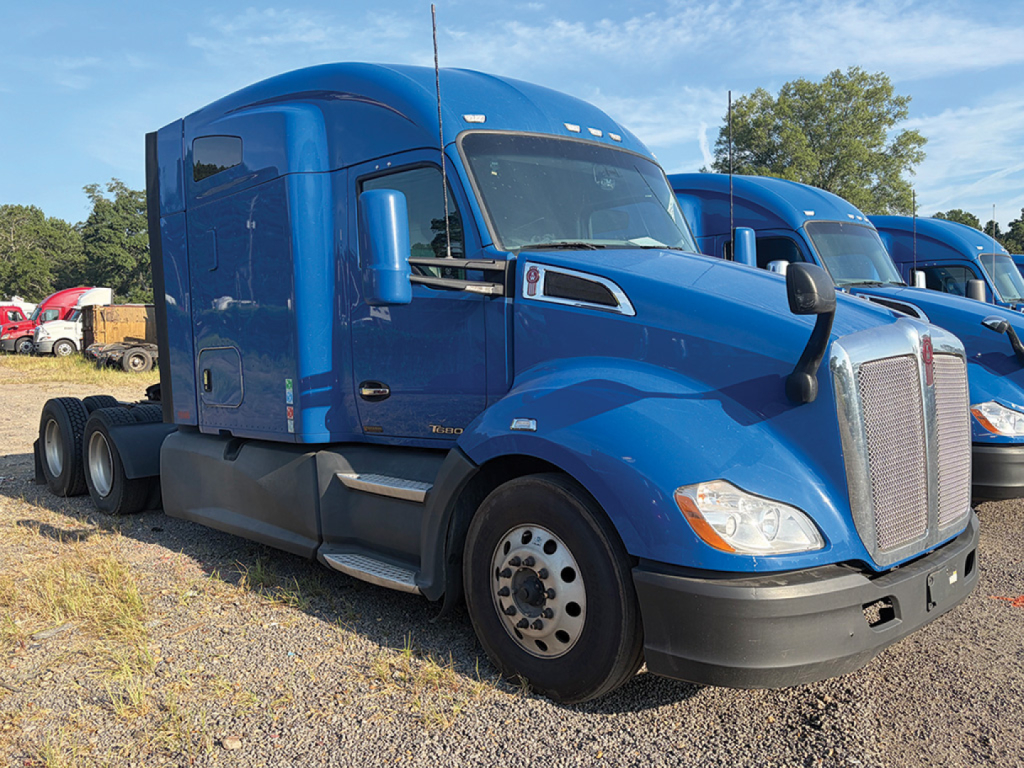
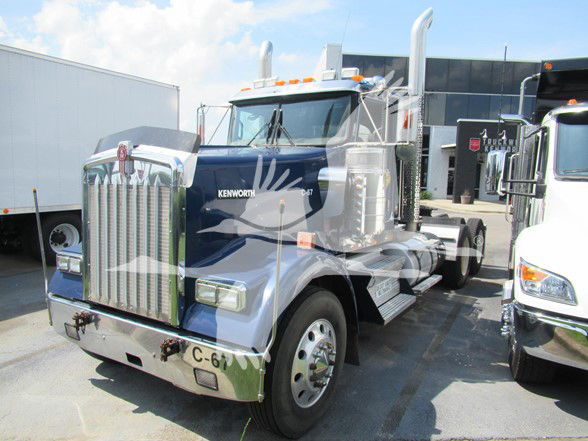
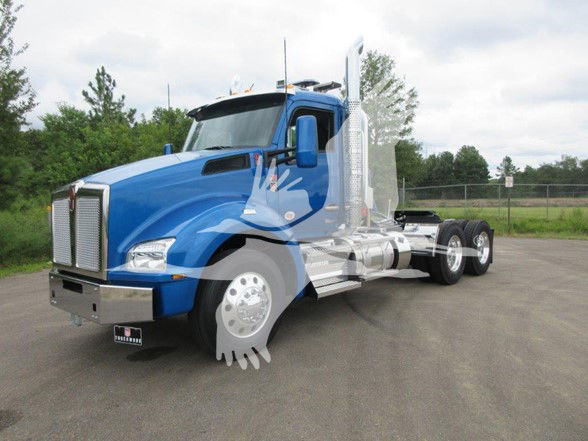
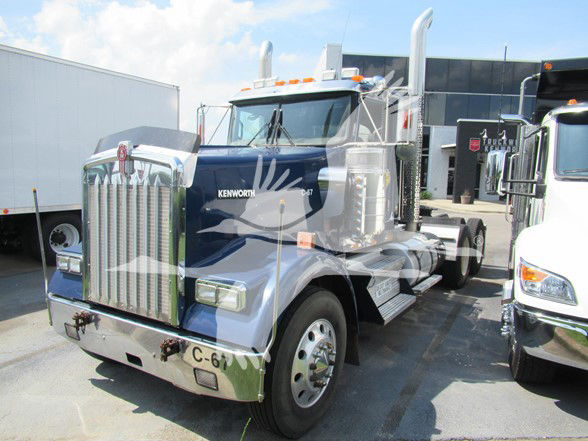
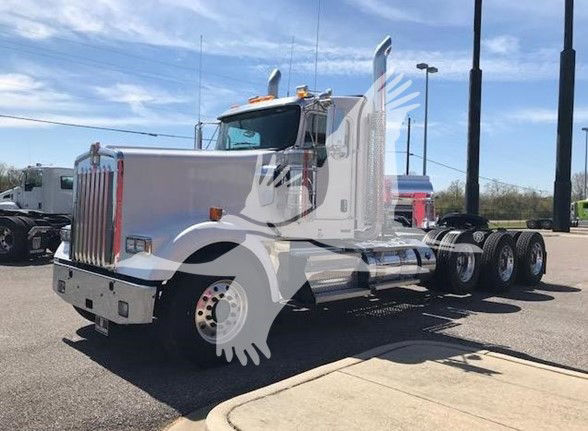
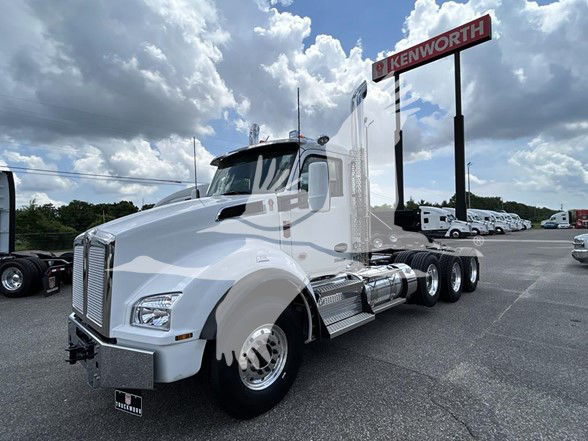
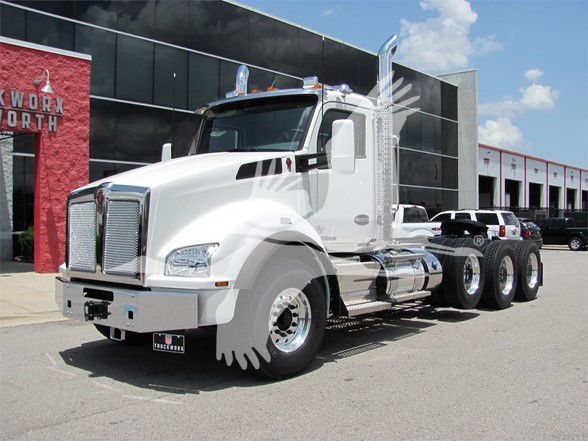
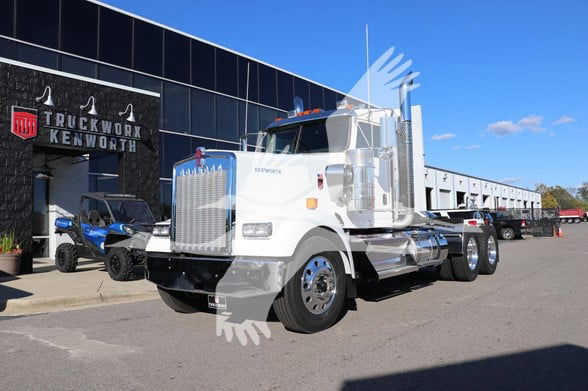
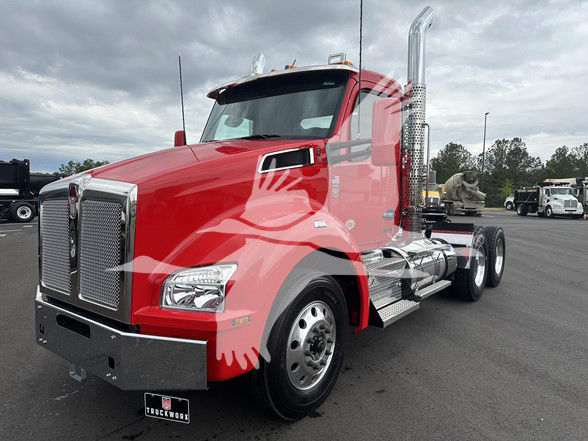
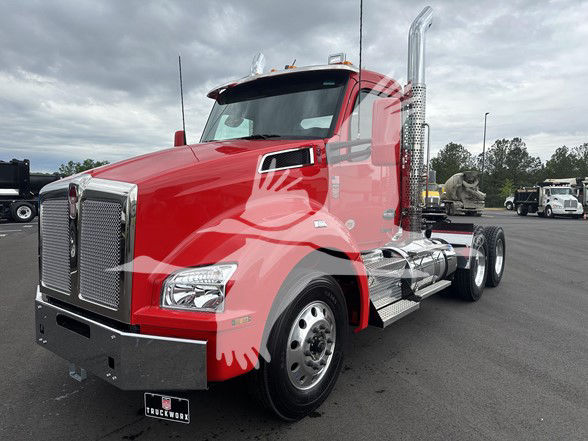
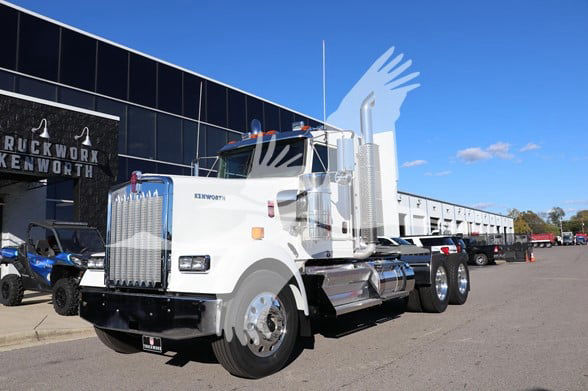
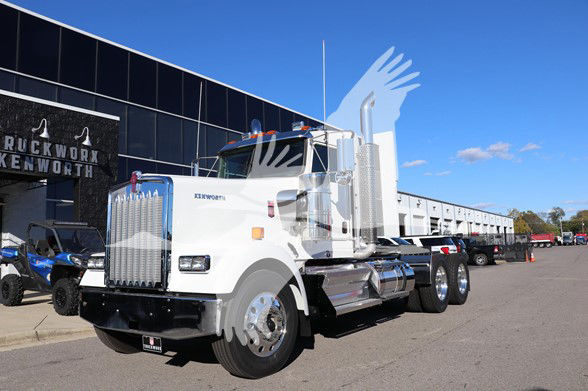
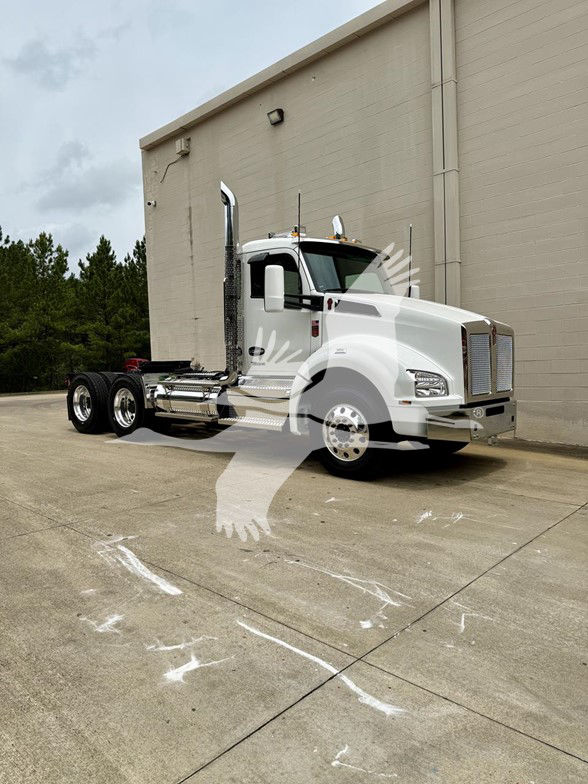
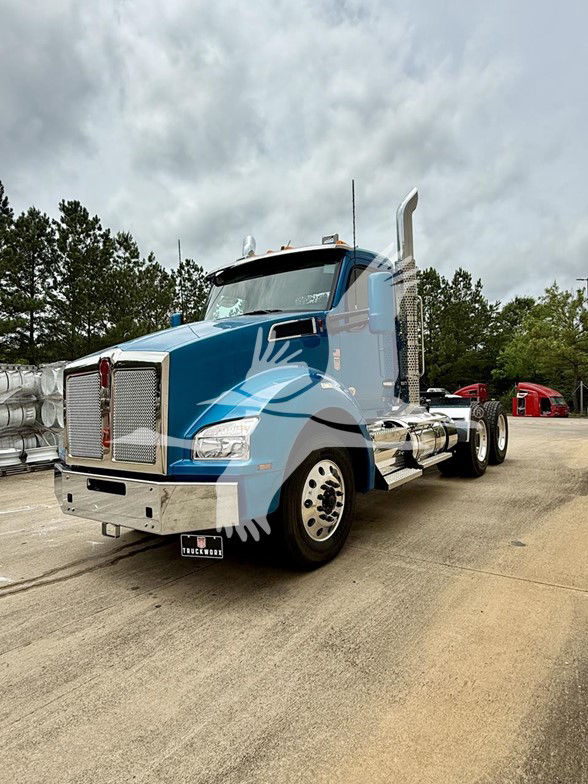
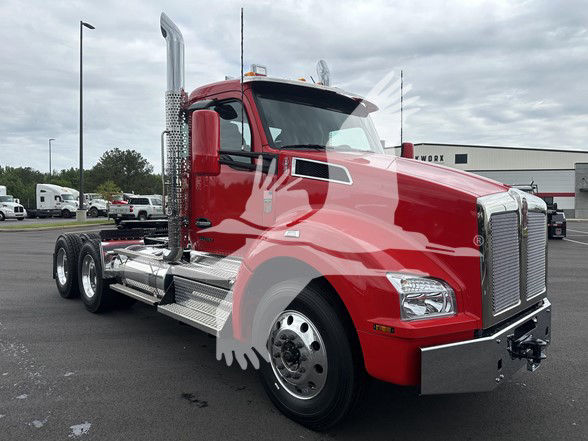
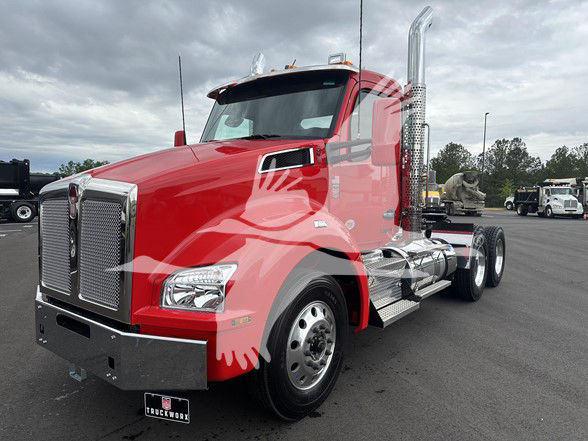
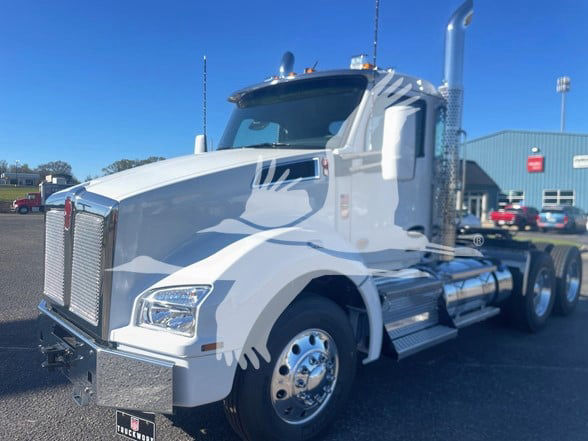
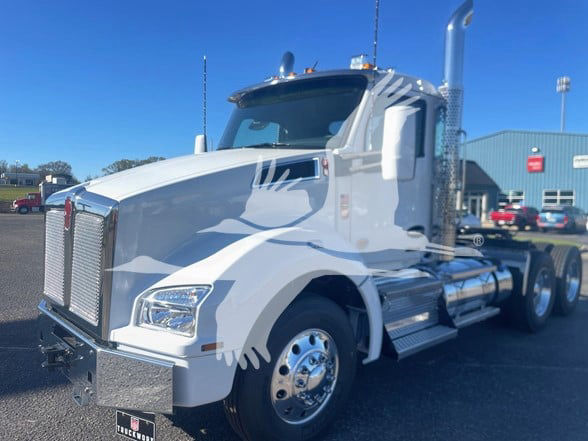
Showing 1 to 24 of 31 results
Have kenworth conventional daycab truck to sell? List it here to reach thousands of buyers.
Kenworth Conventional Daycab Trucks in Alabama
The spec sheet matters more than the badge in this category. Buyers usually start with axle configuration, suspension, wheelbase, gearing, and engine rating because those decisions determine where the truck will perform best. Sample specs in this class often include tandem axles, 6x4 drivetrains, 24.5 tires, and Cummins X15 power in the 500 to 565 horsepower range. Rear suspension choices such as Kenworth AG460 are common on heavier daycab setups because they hold up well under demanding loads. Wheelbase is another key decision point. A 201-inch wheelbase tends to fit many general tractor and vocational applications, while a longer 224-inch setup can make sense for customers running specialized equipment, wet kits, or heavier front-end components.
Transmission and ratio selection should match the route and payload, not just driver preference. A 3.55 ratio can be a solid fit for more highway-oriented work where fuel economy and cruising speed matter. A 3.90 or 3.91 ratio is more at home in start-stop hauling, heavier gross weights, or applications that need stronger launch and gradeability. Buyers comparing automatic versus manual transmissions should also consider PTO and hydraulic needs, driver availability, and maintenance practices across the fleet. If the truck will pull dumps, moving floors, or lowboys, confirm wet kit provisions, frame layout, and back-of-cab packaging before focusing on cosmetic details like wheels or paint.
Cab layout, durability, and service access are major reasons buyers stay with Kenworth. The daycab configuration reduces empty weight and keeps the tractor compact enough for regional lanes, tight customer yards, and frequent hook-and-drop work. Aluminum wheels, left-hand-drive standard cabs, and diesel power are typical in this segment, but the better buying decision comes from matching frame and drivetrain specs to the actual trailer and duty cycle. For buyers comparing a T880 against a W900L, the T880 generally fits modern vocational and fleet applications better, while the W900L appeals to operators who want a longer hood, heavier traditional presence, and a truck often spec'd for owner-operator style service. Condition, mileage, maintenance history, and prior application should drive the final decision on any used Kenworth conventional daycab.
Frequently Asked Questions about Kenworth Conventional Daycab Trucks in Alabama
What is a Kenworth conventional daycab truck best used for?
A Kenworth conventional daycab is best suited for local and regional hauling where the driver returns home daily and sleeper space is not needed. These trucks are commonly used in freight hauling, tanker work, dump and construction service, port drayage, and heavy vocational applications. The conventional hood design also provides strong engine access and cooling capacity, which is a major advantage in demanding work cycles and hot-weather operation.
What is the difference between a Kenworth T880 daycab and a W900L daycab?
The Kenworth T880 is typically the more practical choice for vocational and fleet use because it is widely spec'd for construction, heavy hauling, and mixed on-road and off-road service. The W900L is a long-hood conventional that is often chosen for traditional styling, owner-operator appeal, and specialized heavy-duty applications. The right choice depends on required wheelbase, axle layout, visibility preferences, turning radius needs, and how the truck will be equipped behind the cab.
Which rear axle ratio is better in a Kenworth daycab, 3.55 or 3.90/3.91?
A 3.55 ratio generally favors highway speed and fuel economy in regional service, especially when the truck spends more time cruising with moderate loads. A 3.90 or 3.91 ratio usually works better for heavier payloads, more stop-and-go operation, and routes with grades where stronger low-speed pulling power is important. The best ratio depends on gross combination weight, transmission gearing, tire size, and target road speed.
Why is the Cummins X15 common in Kenworth conventional daycab trucks?
The Cummins X15 is common in this category because it covers a wide horsepower range, has broad parts and service support, and fits both linehaul and heavy vocational applications. Buyers often choose it for strong torque output, familiarity among technicians, and flexibility across different duty cycles. In a daycab, it is frequently paired with tandem axles and a 6x4 drivetrain for applications that demand both highway performance and jobsite capability.
What should I check on a used Kenworth daycab before buying?
Start with maintenance records, engine hours if available, fault-code history, clutch or transmission condition, suspension wear, and evidence of prior heavy-duty use such as frame modifications or hydraulic installations. Confirm wheelbase, rear axle rating, suspension type, and gearing to make sure the truck matches the intended trailer and payload. On used units, it is also important to inspect steer axle and suspension components, driveline condition, tire wear patterns, and any signs that a wet kit or PTO system was added or removed.