
Used International Conventional Daycab Trucks For Sale
Shop used International daycab trucks with proven powertrains, low tare weight, durable frames, and corrosion-resistant cabs for regional haul work.
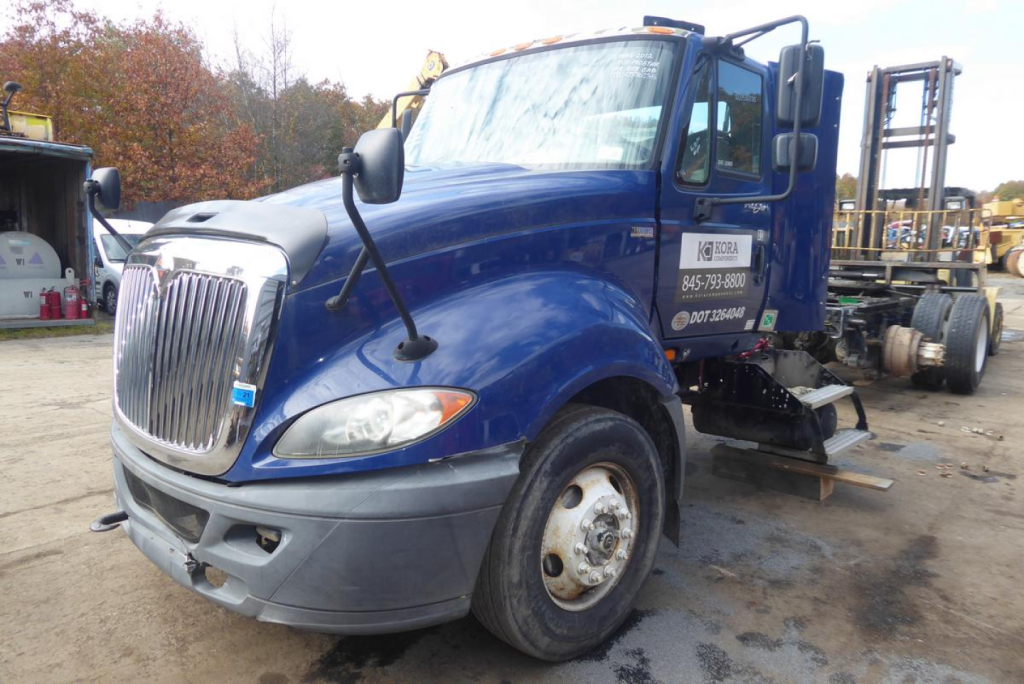
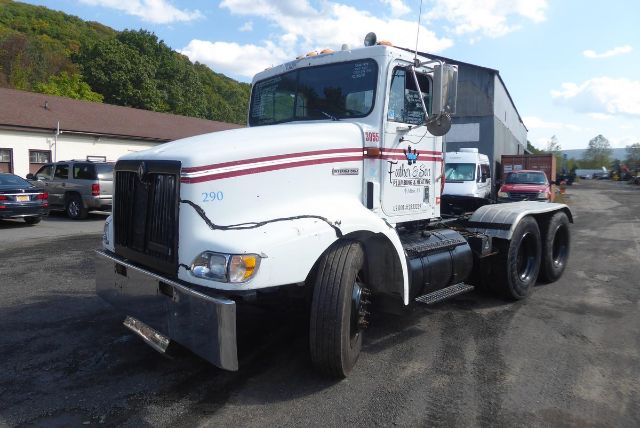

Showing 57 to 68 of 68 results
Selling a used international conventional daycab truck? List your used international conventional daycab truck for sale and reach thousands of commercial buyers.
Used International Conventional Daycab Trucks
Powertrain choices drive tare weight and operating cost. Cummins ISX and X15 provide broad service support and high torque; Navistar A26 offers competitive torque with notable weight savings and lower parasitic loss when spec’d correctly. Manual Eaton Fuller 10, 13, and 18 speeds remain common; automated manuals like UltraShift Plus and Endurant improve launch and cruise control of engine rpm. Tare weight can be trimmed with aluminum wheels, aluminum air tanks, smaller dual fuel tank sets, wide base singles where allowed, and air disc brakes; hundreds of pounds can be removed without sacrificing durability. Wheelbase and axle ratio should match your route profile; shorter wheelbases improve maneuverability in city work, taller gearing with direct-drive transmissions lowers cruise rpm at highway speeds, while vocational gearing prioritizes startability on grades.
Thermal integrity covers both engine cooling and the cab environment. Look for clean radiator and charge air cooler cores, solid fan hubs, intact shrouds, and no cold-side boost leaks; high ambient stability prevents derate under load. In the cab, later LT and RH cabs use improved insulation, better door seals, and higher capacity HVAC components that keep glass clear and temperatures stable during stop and go; strong defrost, tight blend doors, and proper refrigerant charge matter. Aftertreatment thermal management should be intact; heat shields around the DPF and SCR lines protect wiring and the cab floor, and correct dosing keeps exhaust temps where they belong. Cold climate specs like block heaters, winter grille covers, and higher output alternators help protect batteries during frequent starts.
Corrosion resistance affects residual value and uptime. International cabs use e-coated, galvanneal steel with composite hoods; aluminum tanks, battery boxes, and steps cut rust exposure. Inspect cab corners, door bottoms, floor pans, battery trays, frame flanges behind suspension hangers, and fifth wheel brackets for scale or perforation; surface rust at fasteners is common, flaking around spring hangers or crossmember ends is not. Sealed Deutsch-style connectors, loom protection, and intact inner fender liners keep road spray off harnesses. Where trucks worked in salt, undercoating, stainless hardware, and frequent wash programs make a difference; prioritize units with documented wash and coating schedules. Safety and control features like ABS, hill hold, electronic stability control, and collision mitigation from Bendix can reduce brake and tire wear over time; TPMS helps maintain rolling resistance and casing life even though onboard tire inflation systems are uncommon on tractors.
Frequently Asked Questions about Used International Conventional Daycab Trucks
Which used International daycab models are best for regional haul versus city P&D work?
LT and RH series are optimized for regional and short highway lanes with aerodynamic cabs, lighter A26 or Cummins power, and refined HVAC. ProStar daycabs remain solid regional performers with earlier aero designs and broad parts availability. TranStar 8600 suits dense urban P&D due to shorter wheelbases and tight turning. Severe service HX daycabs fit vocational or heavy front axle applications where double frames, higher axle ratings, and PTO provisions are common.
How should I match axle ratio and transmission to my route and cruise speed?
Start with your target road speed, grade profile, and engine’s best brake specific fuel consumption range. Direct-drive gearboxes pair with numerically higher rear ratios to keep cruise rpm in the efficient band; overdrive transmissions use taller rears. Regional haul at 65 to 68 mph often lands near 2.64 to 3.08 depending on tire size and engine torque curve, while stop and go or hilly routes favor shorter gearing for startability. Verify cruise rpm against tire revs per mile, transmission top gear, and intended GCW.
What affects tare weight most on International daycabs, and how much can I realistically save?
Engine family, wheelbase, and component material drive the biggest swings. An A26 daycab commonly weighs several hundred pounds less than a comparable big block spec. Aluminum wheels, aluminum air tanks, and aluminum battery boxes together can remove 200 to 400 pounds. Wide base singles can cut another 200 to 300 pounds per tandem compared to duals where allowed. Air disc brakes can be weight neutral to slightly lighter but improve stopping and heat control. Avoid oversizing fuel capacity and frame reinforcements you do not need.
How do I evaluate frame and cab integrity on a used unit?
Check frame flanges for drill outs and elongation at crossmember fasteners, measure for rail twist or sway, and inspect fifth wheel mounting angles for cracks. Look under the mats for soft cab floors or rust at seat pedestal mounts, and confirm step brackets and door hinges are tight with no sag. Uneven tire wear can indicate alignment or bushing issues. A clean alignment report, straight frame measurements, and consistent ride height indicate sound structure and floor strength.
Are Cummins or Navistar engines a better choice in used International daycabs?
Both can be solid when maintained. Cummins ISX and X15 offer a very broad service network, strong torque options, and mature aftertreatment. The Navistar A26 focuses on lower mass and reduced parasitic load, which can improve fuel economy and front axle weight. On any engine, prioritize documented oil analysis, injector and valvetrain history, cooling system service, and complete emissions campaign updates; a well maintained unit is a safer bet than choosing solely by badge.