
Used International Conventional Daycab Trucks For Sale in Ohio
Browse used International conventional daycab trucks in Ohio. Compare LT specs, powertrain options, axle setups, and regional hauling features.
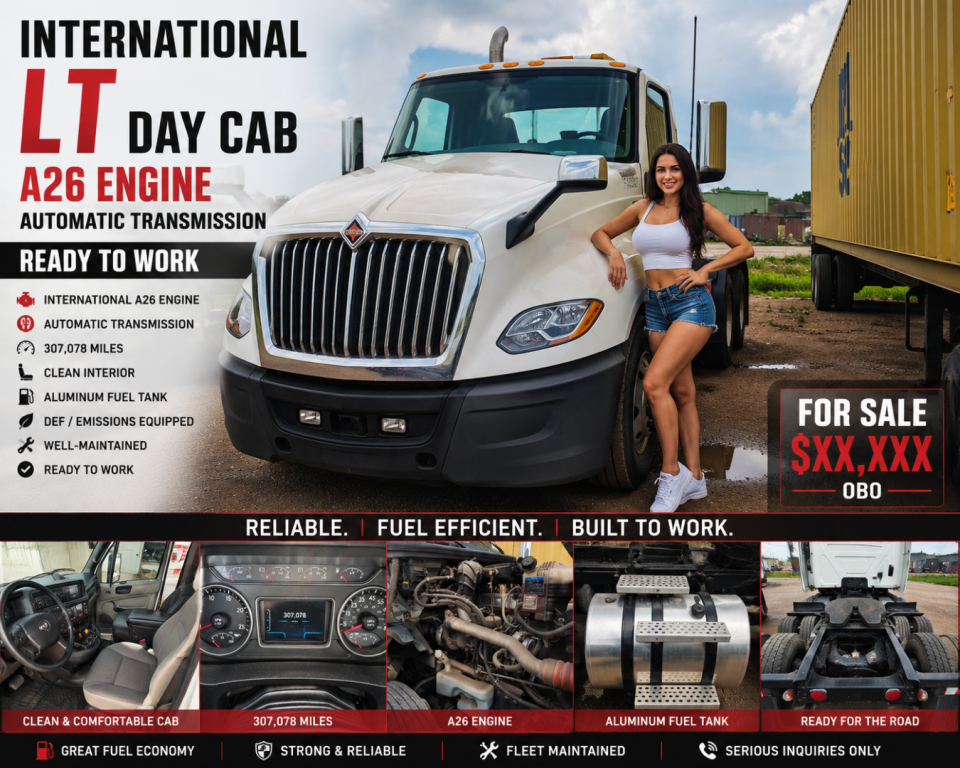
Have used international conventional daycab truck to sell? List it here to reach thousands of buyers.
Used International Conventional Daycab Trucks in Ohio
The first buying decision is usually the powertrain and axle specification. Most International conventional daycab tractors in this category are spec'd as Class 8 highway trucks with 4x2 or 6x4 drivetrains, tandem rear axles, and wheelbases suited for maneuverability in tighter yards and urban lanes. Common engine families include the Cummins X15 and, in some older units, Navistar power. Buyers should compare horsepower and torque ratings against the intended load profile, then look closely at the transmission, rear ratio, and cruising RPM. Automated manual transmissions are common in this segment because they reduce driver fatigue and can help with fuel economy, but some fleets still prefer manual gearboxes for certain vocational or heavy regional uses.
Cab condition and chassis details matter more on a daycab than many buyers expect because these trucks spend their lives getting in and out of docks, traffic, and tight customer locations. Check for frame condition, fifth wheel wear, suspension type, brake spec, and signs of corrosion, especially on trucks that have seen Midwest winter roads. Interior wear can tell you a lot about overall use. High-cycle regional tractors may show more seat, pedal, and switch wear than the odometer alone suggests. It also pays to verify wheelbase, fuel tank capacity, fairing setup, and whether the truck has collision mitigation, lane departure warning, air slide fifth wheel, disc brakes, or other fleet-oriented features that affect resale and driver acceptance.
International conventional daycabs appeal to buyers who want a modern aero tractor without the added weight and complexity of a sleeper. They are also known as day cab semi tractors or daycab road tractors, depending on the operation. For Ohio buyers, the right spec often comes down to balancing turning radius, payload, drivetrain efficiency, and ease of service. A truck running dense regional freight with frequent stops may need a different rear axle ratio and fuel capacity than one pulling steady turnpike miles. Comparing engine hours, maintenance history, emissions system service records, and prior fleet application will usually tell you more than model year alone.
Frequently Asked Questions about Used International Conventional Daycab Trucks in Ohio
What is the main advantage of an International conventional daycab truck over a sleeper tractor?
An International conventional daycab truck eliminates the sleeper compartment, which reduces overall weight, shortens the tractor, and improves maneuverability for regional and local work. That usually makes it a better fit for distribution routes, dedicated lanes, and operations with frequent dock turns or urban driving. A daycab also tends to simplify cleaning, driver turnover, and some maintenance compared with a sleeper-equipped highway tractor.
What specs matter most when buying a used International daycab in Ohio?
The most important specs are engine rating, transmission type, rear axle ratio, axle configuration, wheelbase, and suspension. In Ohio, buyers should also pay close attention to frame and cab corrosion, brake condition, and the service history of the emissions system because Midwest weather and road treatment can accelerate wear. Fuel capacity and fifth wheel setup also matter because they directly affect route range and trailer compatibility.
Are International LT daycab trucks good for regional freight?
Yes. The International LT is widely used in regional freight because it offers an aerodynamic conventional design, a driver-focused cab layout, and common fleet specs that are easy to integrate into mixed operations. Many are equipped with automated manual transmissions and highway-oriented powertrains that support fuel efficiency on repeated short-to-mid-mile routes. The best fit depends on how the truck is geared and how much stop-and-go work it sees.
Should I choose a 4x2 or 6x4 International daycab tractor?
A 4x2 daycab can make sense for lighter regional applications where payload demands are moderate and fuel economy is a priority. A 6x4 is more common for heavier trailer weights, mixed terrain, and year-round traction needs, especially in regions that see winter weather. The right choice depends on gross combination weight, trailer type, route conditions, and how much durability margin your operation requires.
What should I inspect on a used International conventional daycab before buying?
Focus on engine hours, maintenance records, transmission operation, clutch or AMT performance, suspension wear, brake life, steering play, and fifth wheel condition. Inspect the frame rails, crossmembers, cab mounts, and battery box area for corrosion or repairs. It is also important to review fault codes, emissions aftertreatment history, and any signs of repeated downtime related to the EGR, DPF, or SCR system because those repairs can materially affect operating cost.