
Used International Conventional Daycab Trucks For Sale in Kansas
Browse used International conventional daycab trucks in Kansas. Compare specs, engines, axle setups, and vocational-ready day cab configurations.
Learn more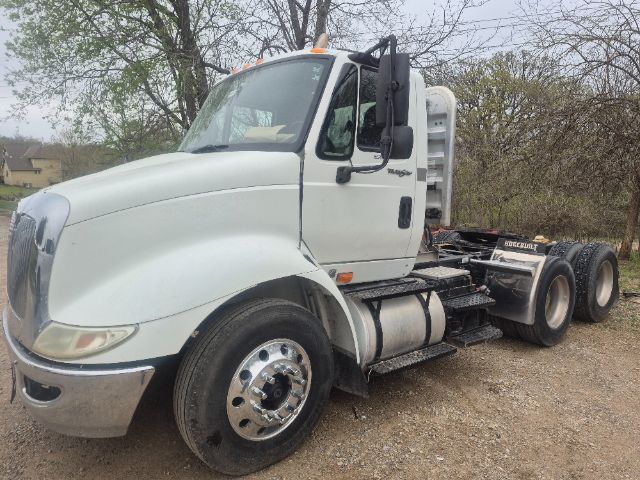
Have used international conventional daycab truck to sell? List it here to reach thousands of buyers.
About Used International Conventional Daycab Trucks in Kansas
A buyer should start with the powertrain and rear axle spec. Common used International conventional daycab models include the 8600 and other severe-service or highway-oriented platforms equipped with Cummins, International, or sometimes Caterpillar diesel engines depending on year and spec. Horsepower and torque vary widely, so transmission choice matters. Many trucks in this category carry 10-speed or 13-speed manual transmissions, while some are set up with automated manuals or full automatics for stop-and-go work. Pay attention to axle ratio, suspension type, wheelbase, and GVWR or GCWR if the truck will pull loaded end dumps, hoppers, flatbeds, or tankers. A day cab used for farm support or local commodity hauling may also have useful vocational features such as air ride suspension, air dump, PTO capability, pintle or ball hitch provisions, wet kits, or heavy front axle ratings.
Condition matters more than brand reputation on a used daycab. Service records, clutch history, overhead work, turbo replacement, brake and tire dates, and any rear-end or driveline repairs can tell you more than the odometer by itself. On pre-emissions and early-emissions trucks, buyers often look closely at engine simplicity, maintenance cost, and parts support. On newer trucks, emissions system history is just as important as mileage. Inspect the frame for corrosion or modifications, verify fifth-wheel position and frame length, and confirm the cab layout matches the intended use. A short wheelbase day cab is easier to maneuver in town and around elevators or job sites, while a longer wheelbase may ride better and suit certain trailer combinations.
International conventional daycab trucks appeal to buyers who want a versatile tractor that can switch between road and vocational work without the extra weight and complexity of a sleeper. They are also commonly called day cab semi trucks or day cab tractors. In a market like Kansas, the right used truck often comes down to matching the spec to the route, trailer, and payload instead of chasing a single model year or engine badge. A clean, properly maintained International day cab with the right transmission, axle package, and hitch setup can be a dependable choice for local and regional operations.
Frequently Asked Questions
What is an International conventional daycab truck best used for?
An International conventional daycab truck is best suited for local and regional hauling where a sleeper is not needed. Common applications include grain and ag hauling, feed delivery, municipal work, construction support, short-haul freight, and yard-to-yard trailer moves. The shorter cab and lighter overall package can improve maneuverability, reduce empty weight, and simplify maintenance compared with a sleeper tractor.
Which specs matter most when buying a used International day cab?
The most important specs are engine model, horsepower and torque rating, transmission type, rear axle ratio, suspension, wheelbase, and axle capacity. Those specs determine how the truck starts a load, handles hills, cruises at highway speed, and works with specific trailers. Buyers should also check for PTO or wet kit readiness, hitch setup, fifth-wheel placement, and brake and tire condition, especially if the truck will be used in vocational or farm service.
Are older International daycab trucks a good option in Kansas?
Older International daycab trucks can be a strong value in Kansas if the truck has been maintained well and the spec matches the job. Many buyers like older units for their simpler drivetrains and lower acquisition cost, especially in farm and local hauling. The key is to review repair history, inspect the frame and driveline, verify brake and tire condition, and confirm that any major engine or transmission work was done correctly and documented.
What is the difference between a day cab and a sleeper tractor?
A day cab does not have a sleeping compartment behind the seats, while a sleeper tractor includes that extra cab space for over-the-road use. Day cabs are usually lighter, shorter, and easier to maneuver in tight yards, towns, and job sites. For buyers focused on local or regional routes with same-day returns, a day cab is often the more efficient configuration.
Should I choose a 10-speed or 13-speed transmission in a used daycab?
A 10-speed is common for general regional work and can be a solid choice for standard highway and local hauling. A 13-speed offers more flexibility for heavy loads, off-road starts, variable terrain, and applications where you need tighter control of engine speed. The better choice depends on terrain, gross combination weight, driver preference, and how often the truck will work in demanding vocational conditions.