
Used International Conventional Daycab Trucks For Sale in Iowa
Browse used International conventional daycab trucks with specs buyers compare most: engine, wheelbase, axle ratio, transmission, and GVWR.
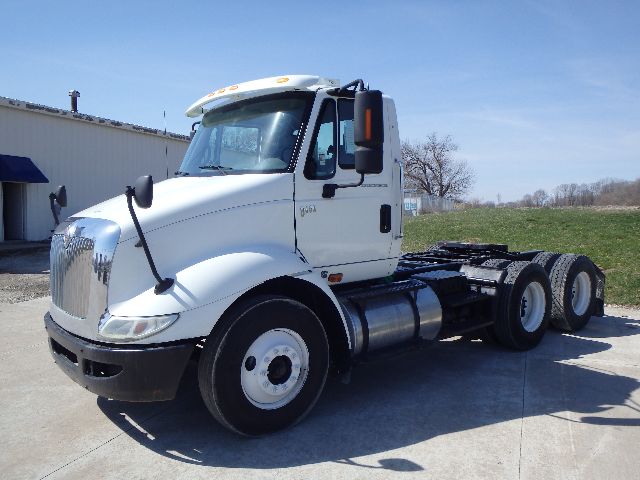
Selling a used international conventional daycab truck? List your used international conventional daycab truck for sale and reach thousands of commercial buyers.
Used International Conventional Daycab Trucks in Iowa
International daycabs in the used market commonly show up with Cummins or International diesel power, manual or automated transmissions, and suspension setups aimed at regional pavement use rather than severe off-road work. Older models such as the International 8600 are often spec'd with proven combinations like a 10-speed manual, mid-range horsepower, air ride suspension, and 22.5-inch rubber. Buyers should match horsepower and torque to the actual load profile. A truck moving grain trailers, tankers, or heavier commodity freight will need different gearing and driveline specs than one assigned to empty backhauls or short city hops. GVWR, rear axle ratio, and fifth wheel configuration matter just as much as engine badge when the truck is expected to start heavy and cycle often.
Cab layout and chassis condition are especially important on a used daycab because these trucks usually live in stop-and-go service. Look closely at clutch wear on manual units, suspension bushings, steering components, brake history, frame condition, and evidence of fifth wheel movement or trailer contact behind the cab. Air ride seats, air slide fifth wheels, aluminum or steel wheel choices, and PTO provisions can make a real difference depending on the job. If the truck will spend most of its time on short regional lanes, mileage alone does not tell the full story. Idle hours, maintenance records, prior fleet use, and DOT inspection history are often better indicators of remaining service life.
For many buyers, an International conventional daycab hits a practical middle ground between purchase price, parts support, and straightforward operation. These tractors are also known as day cab semi trucks or single-day tractors, and they remain a common choice for carriers that need a road tractor without the added cost and length of a sleeper. The best fit comes from comparing the chassis spec to the route: tighter wheelbase for urban maneuvering, taller gearing for steady road speed, heavier front axle capacity for vocational accessories, and a transmission that matches driver preference and terrain. A well-matched used daycab can be a cost-effective truck for high-frequency regional work.
Frequently Asked Questions about Used International Conventional Daycab Trucks in Iowa
What is an International conventional daycab truck best suited for?
An International conventional daycab truck is best suited for regional hauling, local freight, terminal-to-terminal shuttle work, container drayage, and vocational tractor jobs that do not require overnight stays. The daycab configuration improves maneuverability, reduces empty weight, and usually lowers acquisition and maintenance costs compared with a sleeper tractor. It is a practical choice when the truck returns to base daily or runs short lanes.
Which specs matter most when comparing used International daycab trucks?
The most important specs are engine make and horsepower, torque rating, transmission type, wheelbase, rear axle ratio, suspension, GVWR, and fifth wheel setup. These details determine how the truck launches under load, cruises at highway speed, turns in confined areas, and handles trailer types. Buyers should also verify front and rear axle ratings, tire size, brake configuration, and whether the truck has features such as an air slide fifth wheel or PTO capability.
Is a manual transmission a good choice in a used International daycab?
A manual transmission can be an excellent choice if the route involves mixed terrain, heavier starts, or a fleet that prefers simple driveline specs and direct driver control. Many used daycabs were spec'd with 10-speed manuals because they are familiar, durable, and widely serviceable. The key is to inspect clutch condition, shift quality, and service records, since stop-and-go regional work can accelerate wear.
How important is wheelbase on a conventional daycab truck?
Wheelbase is one of the most important fit-to-job measurements on a daycab. A shorter wheelbase generally improves maneuverability in yards, job sites, and city docks, while a longer wheelbase can improve ride quality, frame space, and trailer clearance depending on the application. Buyers should also consider kingpin setting, axle placement, and desired bridge compliance when matching wheelbase to trailer type and route.
What should buyers inspect on a used International daycab before purchase?
Buyers should inspect the engine, transmission, clutch if equipped, driveline, suspension, steering, brakes, frame rails, and fifth wheel area. On daycabs, it is especially important to check for wear caused by repeated coupling cycles, local-route braking, and high idle time. Maintenance documentation, DOT inspection history, fluid leaks, tire wear patterns, and signs of corrosion or frame repair can reveal more about the truck than mileage alone.