
Used Freightliner Conventional Daycab Trucks For Sale
Used Freightliner daycab trucks. Compare powertrains, frame strength, tare weight, cab HVAC integrity, and corrosion resistance for your routes.
Learn more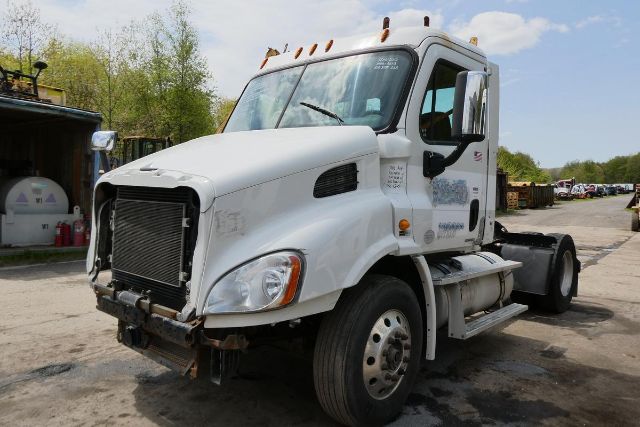
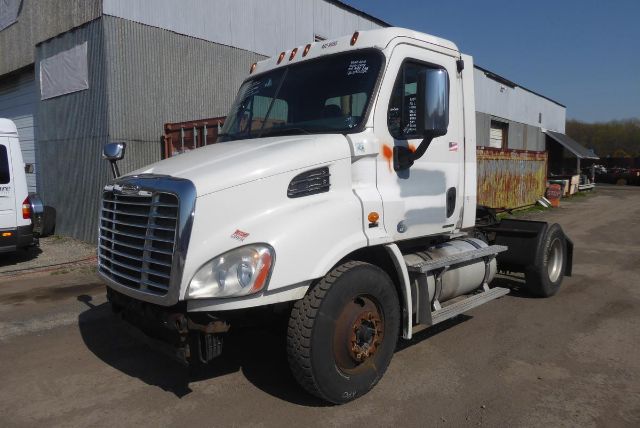
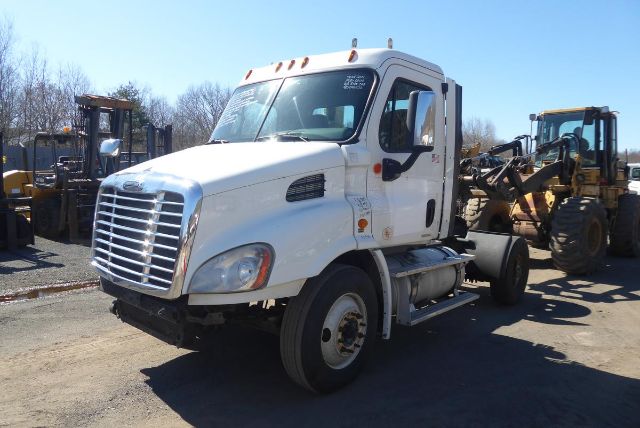
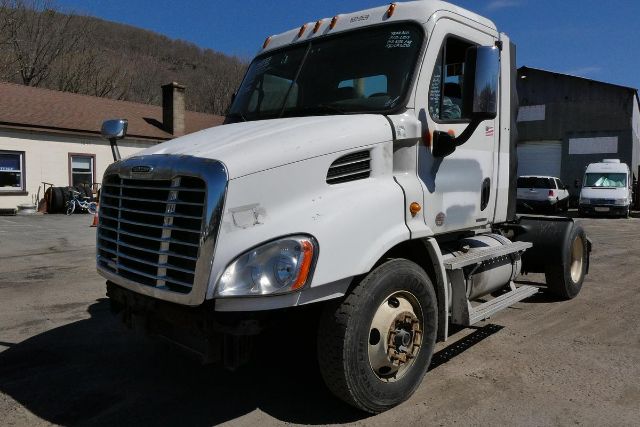
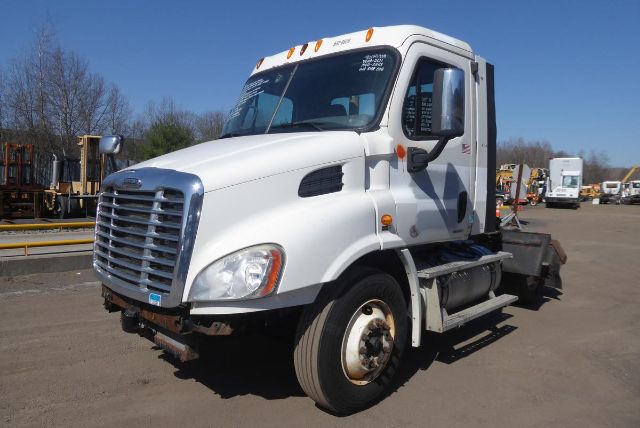
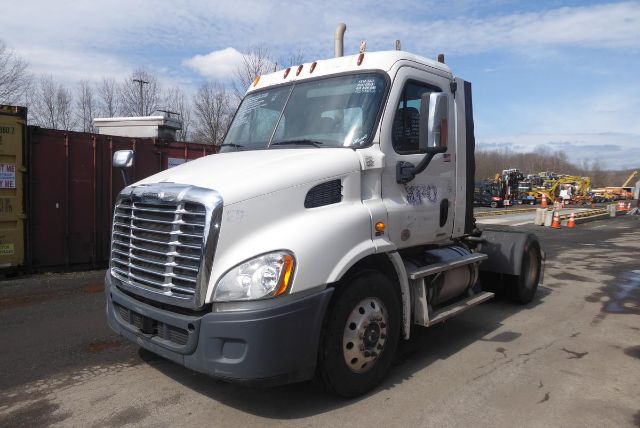
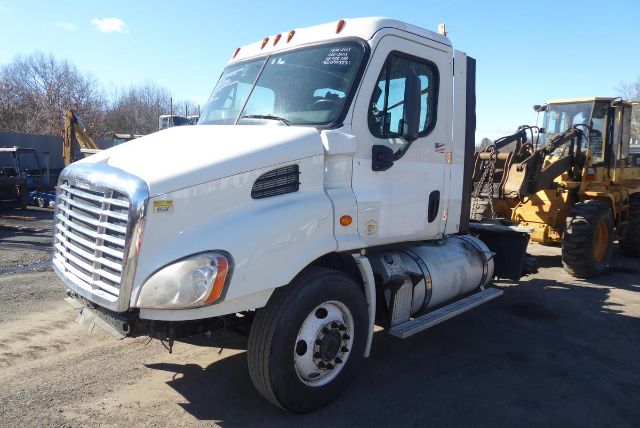
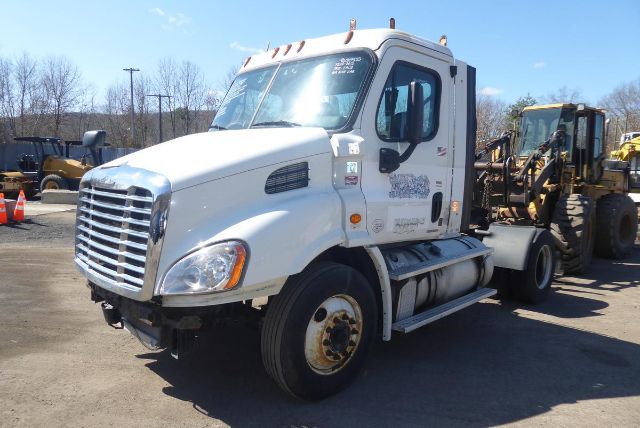
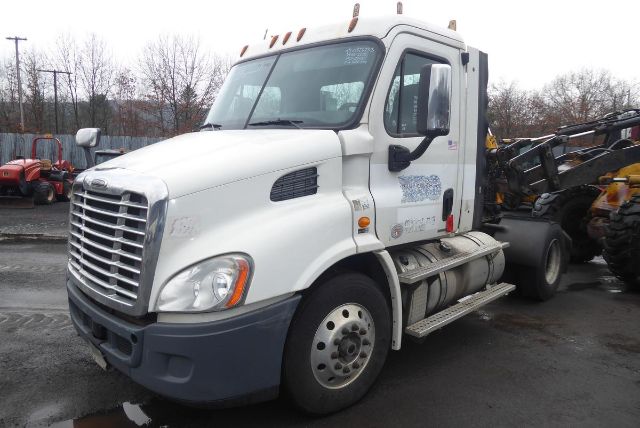
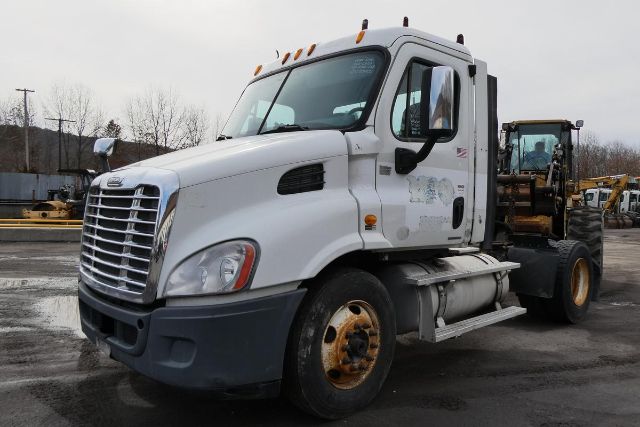
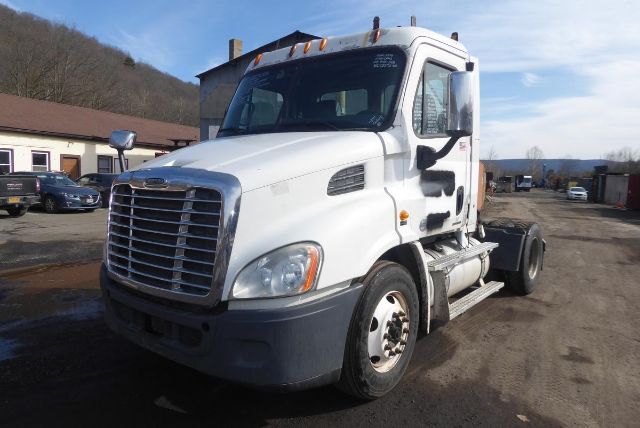
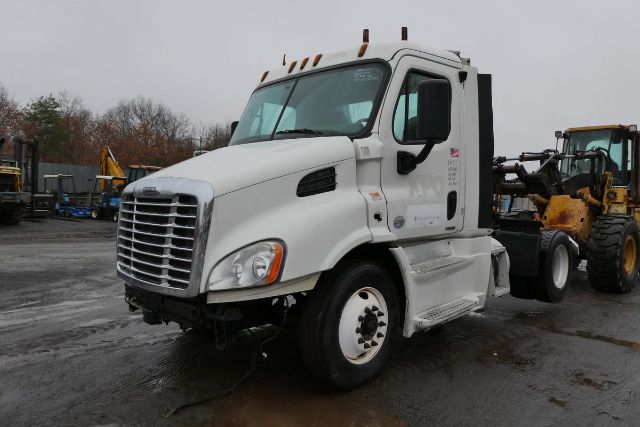
Showing 109 to 120 of 129 results
Have used freightliner conventional daycab truck to sell? List it here to reach thousands of buyers.
About Used Freightliner Conventional Daycab Trucks
Powertrains center on Detroit DD13 and DD15, with older units sometimes carrying Series 60 or Cummins ISX and X15. Transmissions range from Eaton Fuller 10, 13, and 18 speed manuals to Eaton UltraShift Plus and Detroit DT12 automated manuals. Rear axles from Detroit or Meritor typically span 2.16 to 3.70 ratios, selected to match cruise speed, tire size, and terrain. Wheelbase influences bridge compliance and ride, and a slider fifth wheel provides the travel needed to balance loads and accommodate different trailer kingpin settings. Disc brakes shorten stops and reduce fade, while air dryers and heated lines support reliable braking in cold climates.
Floor strength and frame integrity matter on a daycab because the fifth wheel load is transmitted into the rails and crossmembers, and the cab floor takes constant step and seat loads. Freightliner frames are commonly 110 to 120 ksi steel, with double frame inserts available on heavy haul specs, and a reinforced top plate under the fifth wheel resists rocking and fretting. Thermal integrity depends on cab insulation, door and floor sealing, and HVAC capacity; a tight daycab holds temperature in extreme heat or cold, protects electronics, and improves driver alertness. Tare weight is controlled with aluminum cabs, tanks, hubs, and wheels, plus lightweight suspensions and wide base singles; these choices can remove hundreds of pounds, although 6x2 axles and single wide tires trade some traction flexibility and roadside serviceability. Corrosion resistance benefits from e coated frames, composite hoods, and aluminum cabs, but in rust belt service inspect frame flanges for scaling, cab steps and battery boxes for pitting, and air tanks and fastener interfaces for white aluminum corrosion.
Spec to your route profile. Regional linehaul usually pairs a DD13 or DD15 with DT12 or UltraShift Plus, direct drive with 2.28 to 2.64 rears at 65 to 70 mph, low rolling resistance 22.5 tires, and disc brakes for consistent stops and lower heat. Heavier GCW or hilly stop and go work favors deeper ratios such as 3.21 to 3.70, manual 13 or 18 speed options for gradeability, higher steer axle ratings, and AirLiner or Hendrickson suspensions set to proper ride height. On used units, verify aftertreatment health by checking DPF ash load, SCR efficiency, doser history, and DEF quality codes, and confirm suspension bushings, wheel end play, and brake life. Ensure the fifth wheel height and slider travel match your trailers, that the cab HVAC holds temperature at idle or during PTO, and that any safety or telematics systems such as Detroit Assurance, collision mitigation, lane departure, and TPMS are operating as intended.
Frequently Asked Questions
Which Freightliner daycab model suits my work best?
For regional linehaul and P&D, the Cascadia day cab offers the best aerodynamics, driver amenities, and fuel efficiency. For heavier vocational or specialty work, a 122SD or Coronado spec with higher frame RBM, double frame inserts, and heavier axles is common. Older Columbia and FLD units can be cost effective if you value simpler electronics and are comfortable with legacy emissions systems. For lighter GVWR straight truck or city tractor roles, an M2 106 daycab may be appropriate, but confirm axle ratings and frame capacity for your trailer and GCW.
How should I choose axle ratios and transmission on a used daycab tractor?
Start with your cruise speed, terrain, and tire size. For mostly highway at 65 to 70 mph, a direct drive DT12 or UltraShift Plus with 2.28 to 2.64 rears and 22.5 low profile tires will keep the engine in its sweet spot while reducing driveline losses. Mixed or hilly routes, frequent stops, or heavier GCW benefit from deeper ratios such as 3.21 to 3.70 and a 13 or 18 speed manual or an AMT with aggressive startability logic. Tire diameter changes overall ratio, so account for 22.5 LP versus 24.5 when targeting cruise rpm. Verify that the rear axles and driveline angles match the intended ride height and suspension.
What should I inspect for corrosion and structural issues on a used daycab?
Examine the frame flanges and web for scaling, pitting around crossmember bolts, and any signs of delamination on double frame sections. Look closely at the fifth wheel mounting plate, slider rails, and pin locks for wear or cracking, and check cab mount brackets, steps, and battery boxes for corrosion. Inspect air tanks and brackets, radiator support and hood hinge areas, and wiring harness connectors for green or white corrosion. Surface rust is common and manageable, but deep pitting, bent flanges, or fretting around the fifth wheel can indicate costly repairs.
How does tare weight vary and what are the tradeoffs of lightweight specs?
Aluminum wheels, hubs, and fuel tanks, plus an aluminum cab and lighter crossmembers, can save several hundred pounds. Wide base single tires remove additional weight and rolling resistance but can affect traction on slick surfaces and complicate roadside tire replacement. A 6x2 axle configuration cuts weight and parasitic loss, yet sacrifices some traction and can reduce resale in certain regions. The goal is to balance payload gains with the traction, serviceability, and tire strategy your routes demand.
What indicates good thermal integrity and HVAC performance on a daycab?
During inspection, confirm fast blower response on all speeds, strong temperature change through the vents, and stable outlet temperatures at idle and under light throttle. Check door and floor seals for drafts and road dust trails, verify blend door and recirculation functions, and look for clean condenser fins and an A/C clutch that engages smoothly. Ask for any HVAC or evaporator box service history, and assess idle hours if the truck spent time on PTO or in hot climates, since high idle hours can load the system and accelerate component wear.