
Freightliner Conventional Daycab Trucks For Sale in New York
Browse Freightliner conventional daycab trucks with specs buyers compare most: DD13 power, wheelbase, axle ratings, gearing, and suspension.
Learn more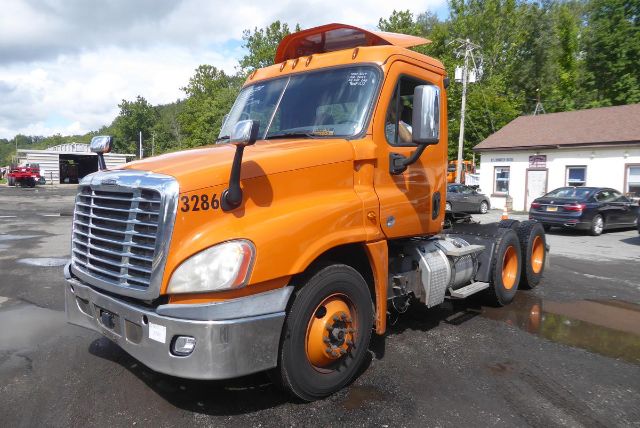
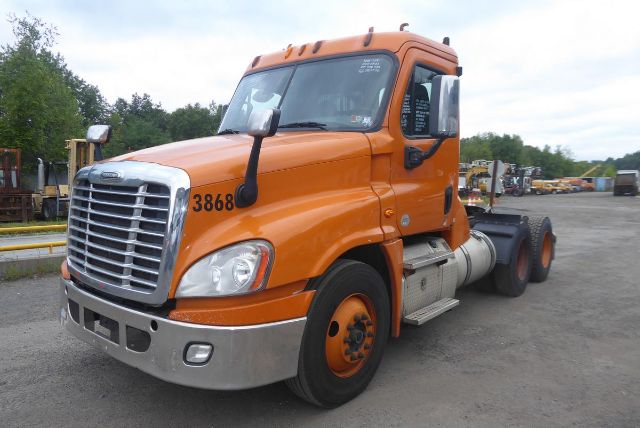
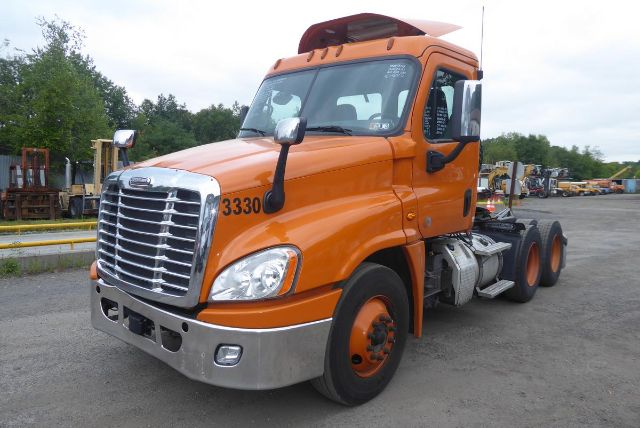
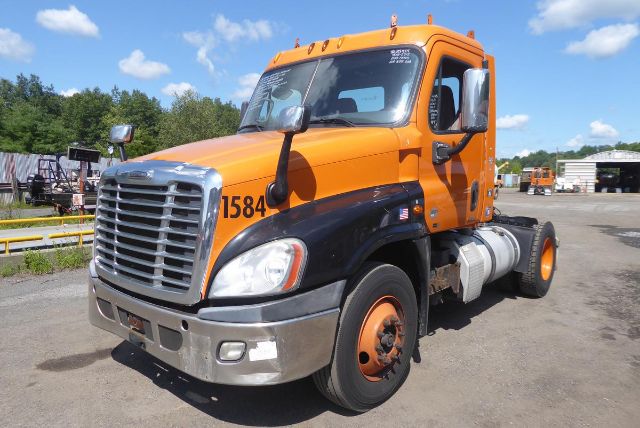
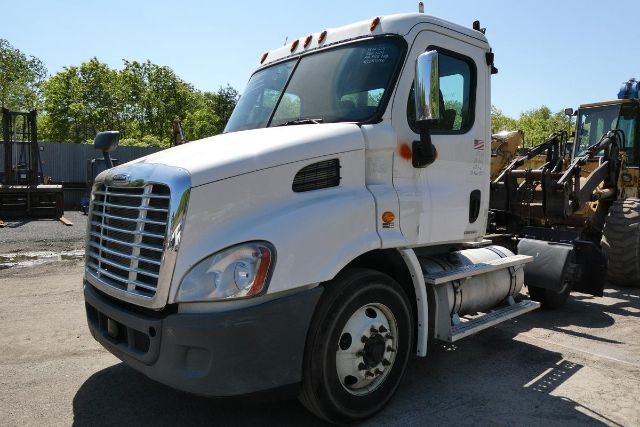
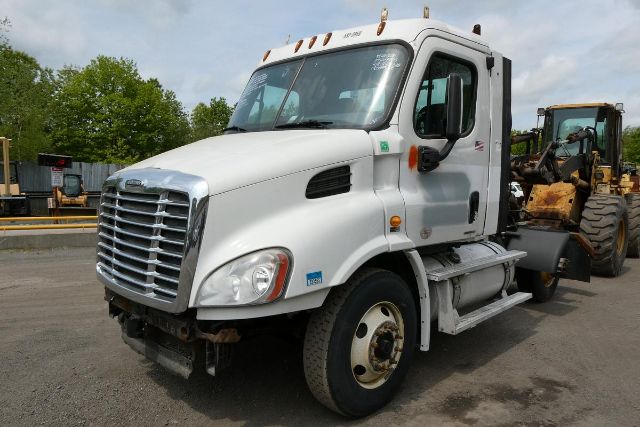
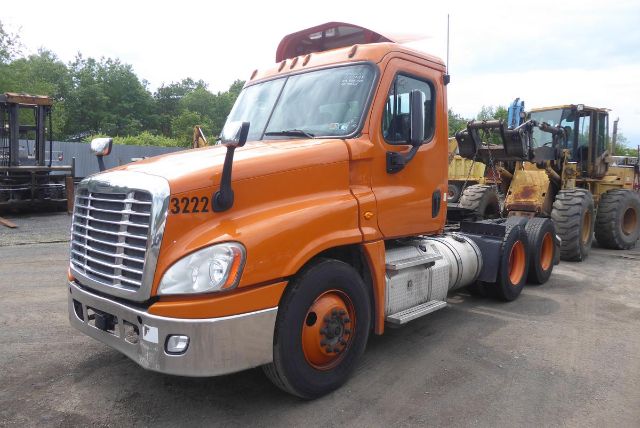
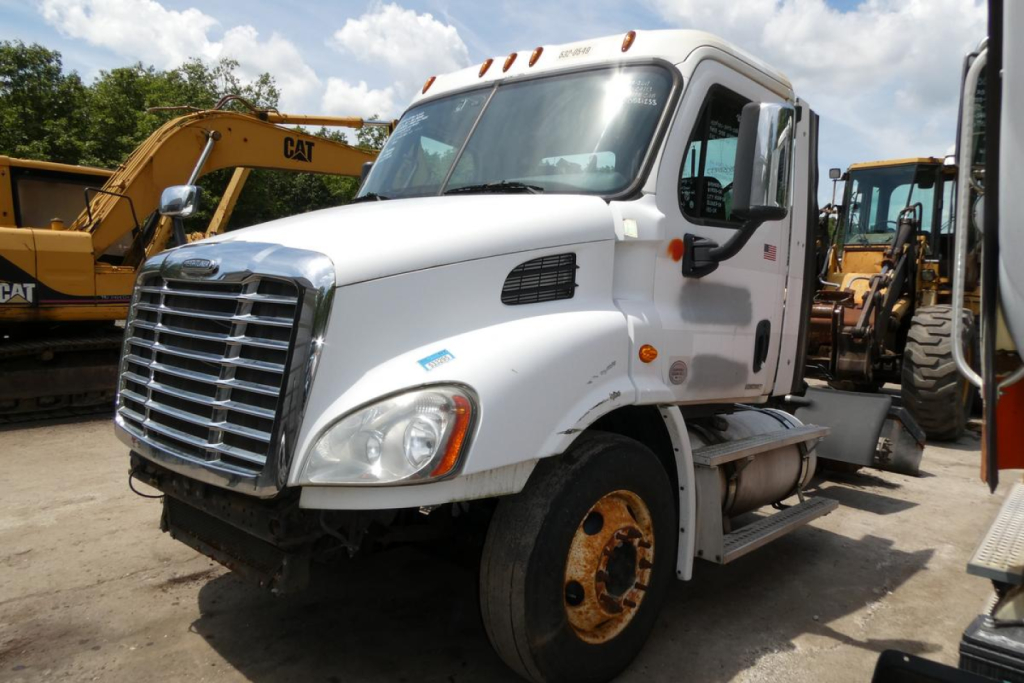
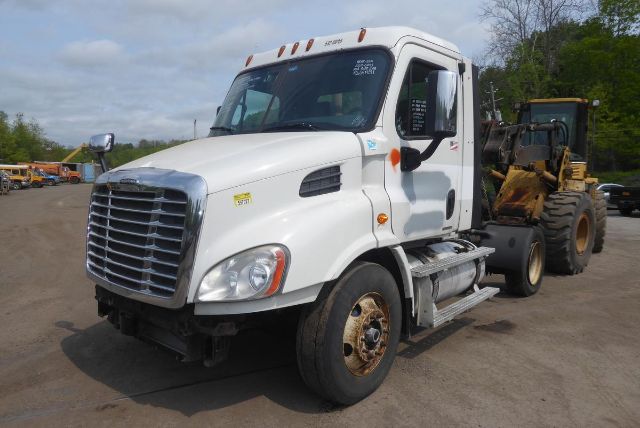
Showing 61 to 72 of 89 results
Have freightliner conventional daycab truck to sell? List it here to reach thousands of buyers.
About Freightliner Conventional Daycab Trucks in New York
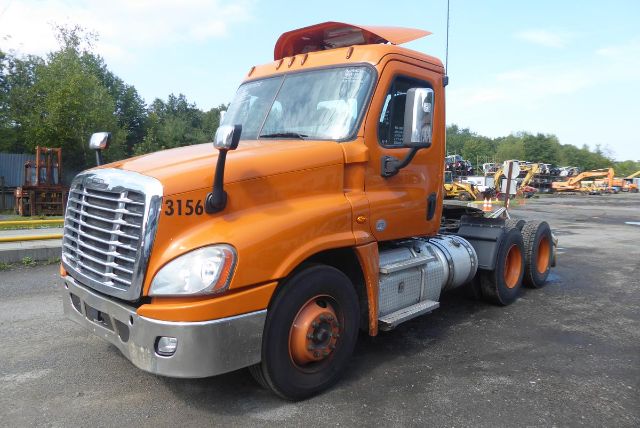
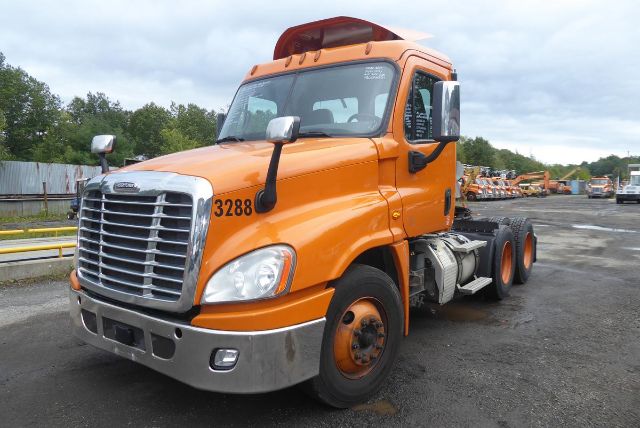
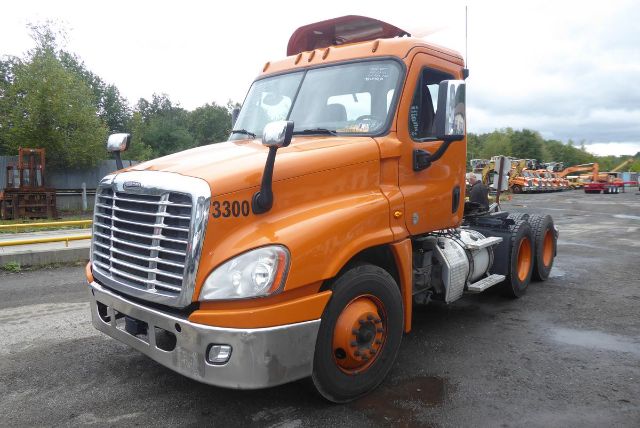
A typical Freightliner daycab in this class is a Class 8 conventional tractor with a set-back front axle, aerodynamic hood, and 4x2 or 6x4 configuration. Common engines include the Detroit DD13, often in the 410 hp range, with engine brakes and emissions equipment on newer models. Manual 10-speed transmissions are still common on used units, especially for fleets that want simplicity and lower replacement cost. Rear axle ratings often land around 23,000 lbs on single-axle tractors, while heavier tandem setups can be much higher for more demanding applications. Wheelbases in the mid-150-inch to low-160-inch range are typical for regional daycab work because they balance turning radius with ride quality and trailer clearance.
Spec choices should reflect the freight and trailer mix. A 3.42 rear ratio is a practical setup for regional highway speeds and fuel economy, while a faster ratio like 2.67 can favor lighter linehaul work on flatter routes. Suspension matters too. Freightliner AirLiner air ride suspensions are common and generally preferred for ride quality, driver comfort, and trailer compatibility. Buyers should also note whether the truck has a stationary or sliding fifth wheel, single or double frame, drum or air disc brakes, and standard 11R22.5 rubber or low-profile tires. For port, warehouse, and city work, a lighter single-axle daycab can be the right fit. For heavier pulls, frequent interstate use, or mixed terrain, a tandem axle setup may make more sense.
Used Freightliner daycab buyers should pay close attention to engine hours versus odometer readings, emissions system history, A/C operation, dash warning lights, suspension condition, and signs of prior fleet maintenance. Cab air leaks, missing rear suspension parts, brake wear, and non-working electrical items can quickly change the real cost of ownership. On Cascadia models especially, buyers often compare DD13 performance, AirLiner suspension condition, Meritor rear axle specs, and whether the truck has air disc brakes. A clean, correctly spec'd Freightliner daycab can be a dependable choice for regional freight and urban tractor work, but the best value comes from matching gearing, axle capacity, and wheelbase to the job instead of buying on price alone.
Frequently Asked Questions
What are Freightliner conventional daycab trucks most commonly used for?
Freightliner conventional daycab trucks are commonly used for regional hauling, local freight, drayage, container work, terminal shuttles, and short-haul tractor applications. Their main advantage is a lighter, shorter package than a sleeper tractor, which improves maneuverability and can reduce empty weight. That makes them well suited for urban routes, warehouse-to-warehouse freight, and operations where the driver returns daily.
What engine and transmission specs are common in used Freightliner daycabs?
Many used Freightliner daycabs are equipped with Detroit DD13 engines paired with manual Fuller 10-speed transmissions. That combination is popular because it offers a good balance of fuel economy, serviceability, and usable horsepower for regional freight. Depending on age and configuration, buyers may also see Mercedes-powered trucks or heavier 6x4 drivetrains. The right choice depends on gross weight, terrain, and whether the truck will stay local or spend more time at highway speed.
Is a single-axle or tandem-axle Freightliner daycab better?
A single-axle Freightliner daycab is often the better choice for lighter regional loads, local trailer spotting, and operations that value lower tare weight and tighter turning radius. A tandem-axle truck is usually better for heavier freight, more demanding duty cycles, and routes where traction and axle capacity matter more. Buyers should match the axle setup to their trailer type, legal weight targets, and loading pattern rather than assuming one configuration fits every job.
What should I inspect on a used Freightliner Cascadia daycab?
The most important inspection points are engine hours, ECM mileage, emissions system condition, fault codes, clutch and transmission operation, suspension wear, brake type and remaining life, and fifth wheel condition. Buyers should also check for air leaks, A/C performance, dash warning lights, uneven tire wear, and signs of deferred fleet maintenance. On New York area trucks, corrosion exposure from winter road treatment can also affect frame, brake, and electrical components, so undercarriage inspection is important.
What rear axle ratio works best in a Freightliner daycab?
The best rear axle ratio depends on speed, weight, and route profile. A ratio around 3.42 is a common all-around regional spec because it supports highway operation without giving up too much low-speed pulling power. A taller ratio like 2.67 may improve fuel economy in lighter-duty highway service, but it can feel less responsive under load or in stop-and-go conditions. Buyers should consider cruise speed, trailer weight, and transmission gearing as a complete package before choosing.