
Ford Conventional Daycab Trucks For Sale in New York
Browse Ford conventional daycab trucks with tandem axles, vocational specs, and durable cab layouts built for regional and jobsite work.
Learn more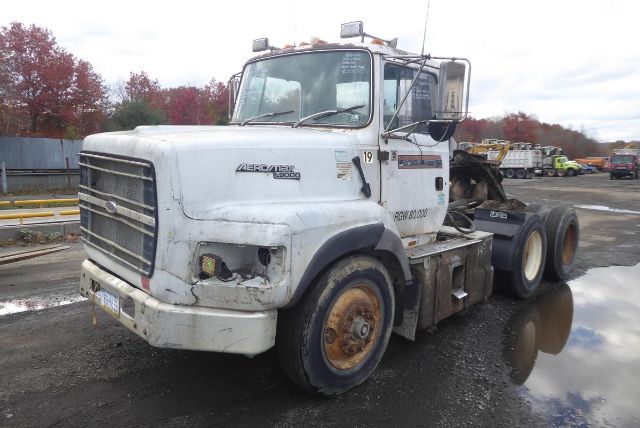
Have ford conventional daycab truck to sell? List it here to reach thousands of buyers.
About Ford Conventional Daycab Trucks in New York
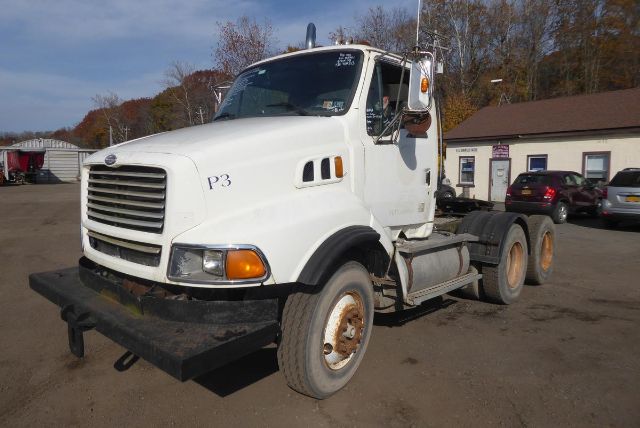
The spec sheet matters more than the badge on this category. Many Ford conventional daycabs were built with proven industry components from Caterpillar, Detroit Diesel, Fuller, Rockwell, and Hendrickson, which can make parts sourcing and driveline service more straightforward than some buyers expect. Common specs include 9-speed or 10-speed manual transmissions, rear axle ratings around 40,000 pounds, wheelbases in the mid-150-inch to 160-inch range, and ratios such as 3.73 or 3.90 that balance startability with road speed. Suspension type is a major decision point. Air ride can improve driver comfort and traction, while spring suspension is often preferred in severe-duty applications.
A lot of used Ford daycabs were ordered for vocational service, so it is common to find wet kits, PTO setups, hydraulic fifth wheels, pintle hooks, power dividers, and locking rears. That makes this category especially relevant for buyers pulling end dumps, lowboys, tag trailers, or other equipment that requires hydraulic power and durable rear axle components. Cab-to-axle and cab-to-end dimensions should be checked closely if the truck will be repurposed for a different body or trailer setup. Tire size, frame configuration, and front axle capacity also deserve attention, especially if the truck will spend time on uneven surfaces, carry a steer axle load from a wet kit, or operate at higher gross weights.
Condition is the real separator on older Ford conventional daycab trucks. Engine hours, service history, blow-by, oil seepage, clutch feel, steering play, and frame condition are often more important than model year alone. Buyers should inspect cab mounts, electrical repairs, air system performance, and any PTO or hydraulic plumbing if the truck has been used in vocational service. A well-spec'd Ford daycab can still be a cost-effective truck for local and regional work, particularly for operators who value mechanical simplicity, a short wheelbase chassis, and proven drivetrain components over newer emissions-era complexity.
Frequently Asked Questions
What are Ford conventional daycab trucks commonly used for?
Ford conventional daycab trucks are commonly used for local and regional hauling, dump and equipment trailer work, and vocational applications that do not require a sleeper. Many were spec'd for heavy-duty service with tandem rear axles, manual transmissions, PTO capability, and hydraulic systems. That makes them a practical choice for buyers who need a short, maneuverable tractor for jobsite access, municipal work, or hauling trailers over shorter distances.
What should I look for when buying a used Ford daycab?
Focus on drivetrain condition, chassis spec, and evidence of past vocational use. Engine blow-by, oil leaks, transmission operation, rear axle noise, suspension wear, and steering looseness are key inspection points on older Ford daycabs. If the truck has a wet kit or PTO, inspect the pump, controls, hoses, cylinders, and hydraulic tank closely. Also verify wheelbase, cab-to-axle measurement, axle ratings, and frame condition so the truck matches the intended trailer or body application.
Are Ford conventional daycabs good for vocational and heavy-duty work?
Yes, many Ford conventional daycabs were built specifically for vocational and heavy-duty service. Trucks in this class often carry robust components such as Caterpillar or Detroit engines, Fuller manual transmissions, Rockwell rear ends, and heavy suspensions. A proper spec with the right rear ratio, locking differentials, and PTO equipment can make a Ford daycab well suited for end dumps, lowboys, pintle towing, and other demanding local applications.
What axle and suspension specs are common on Ford conventional daycab trucks?
A common setup is a 6x4 tandem axle chassis with a 12,000-pound front axle and 40,000-pound rear axle capacity. Buyers will often see either spring suspension for rugged jobsite service or air ride suspension for improved ride quality and traction. Rear axle ratios such as 3.73 and 3.90 are typical on older highway-vocational specs, and those ratios can affect low-speed pulling power, cruise rpm, and overall drivability.
Why do some buyers still choose older Ford daycab trucks?
Older Ford daycab trucks appeal to buyers who want straightforward mechanical systems, proven major components, and a lower-cost entry point into a heavy-duty tandem axle tractor. Because many of these trucks were built with common driveline and suspension components from major suppliers, maintenance can be more manageable than expected. For the right operation, especially local hauling or vocational use, an older Ford conventional daycab can still deliver solid value if the truck has been maintained properly.