
Trucks For Sale Near Commerce City, Colorado
Trucks in Commerce City, Colorado, with specs for Rocky Mountain duty, low tare weight, strong floors, thermal integrity, and corrosion protection.
Learn more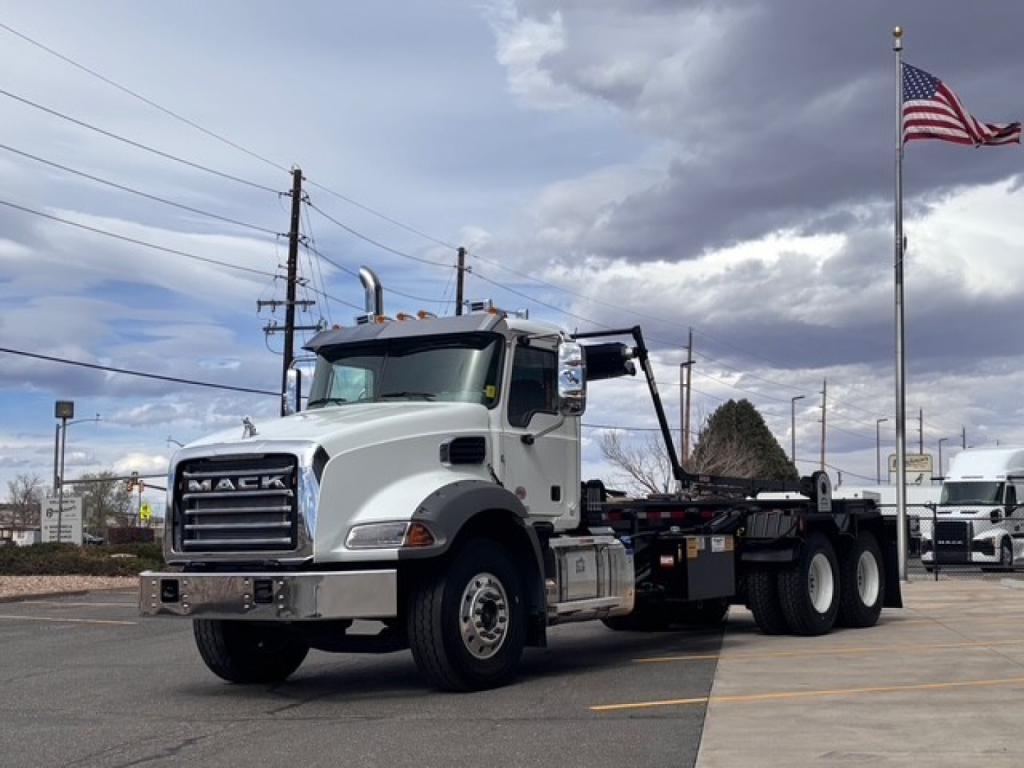
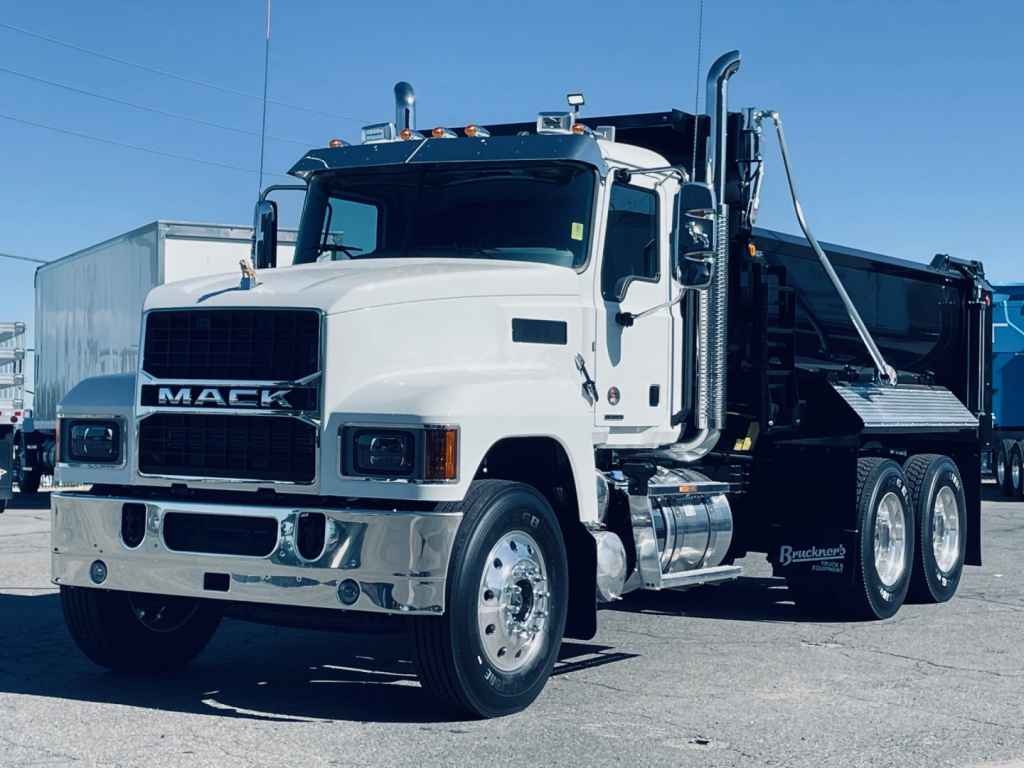
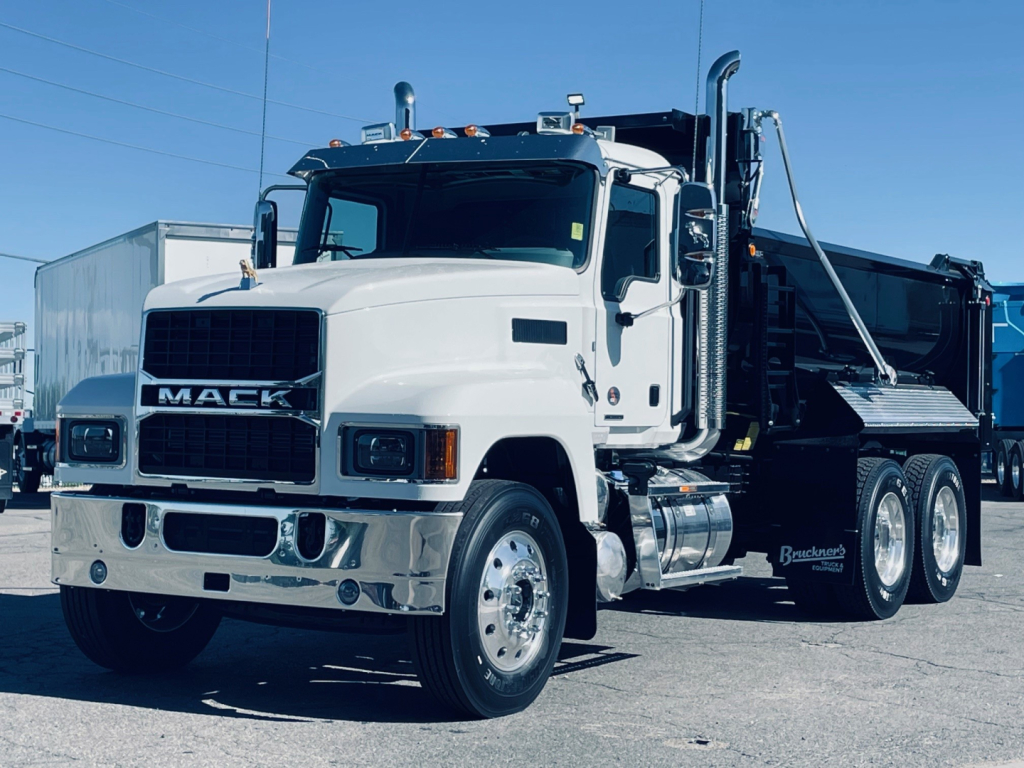
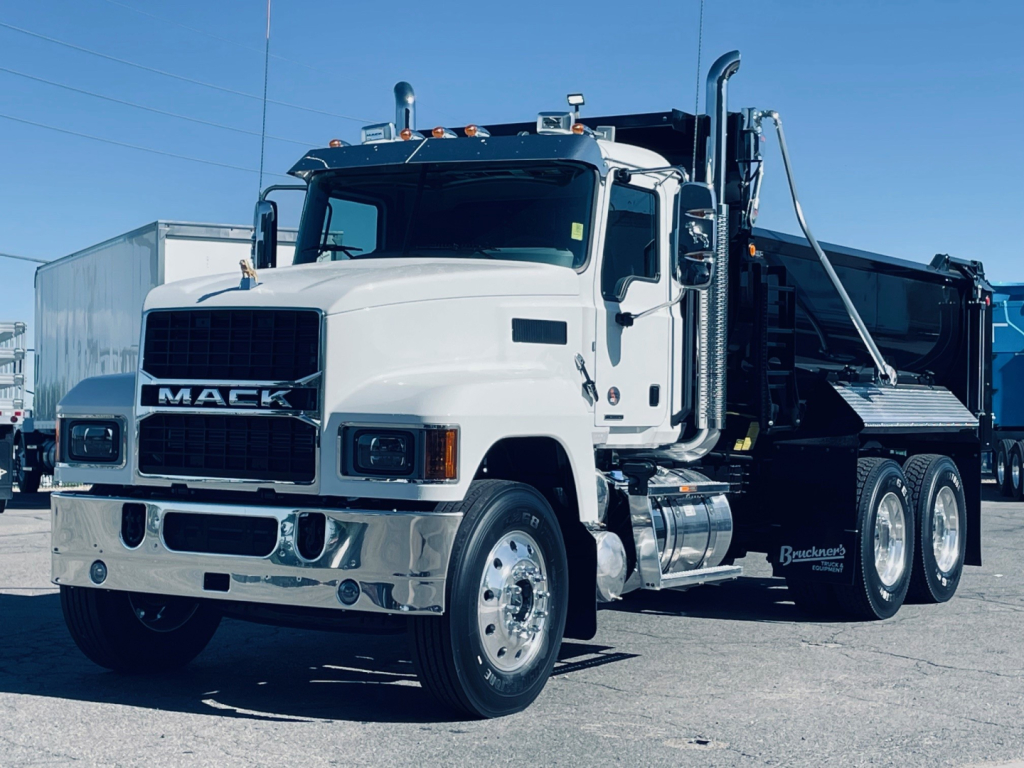
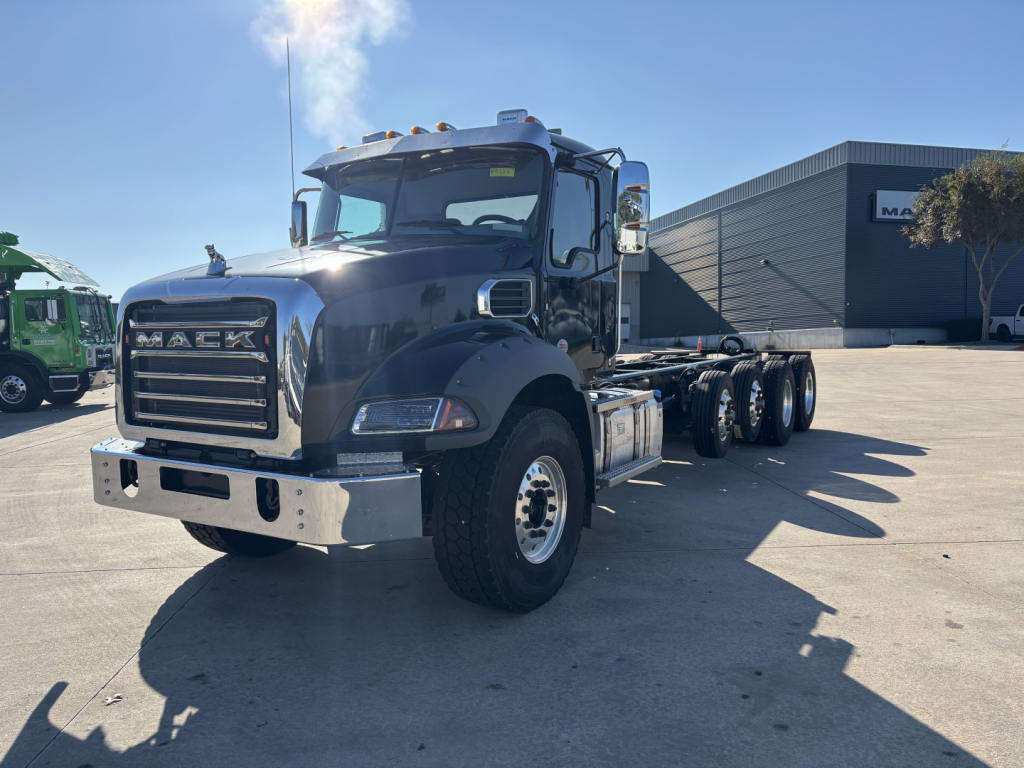
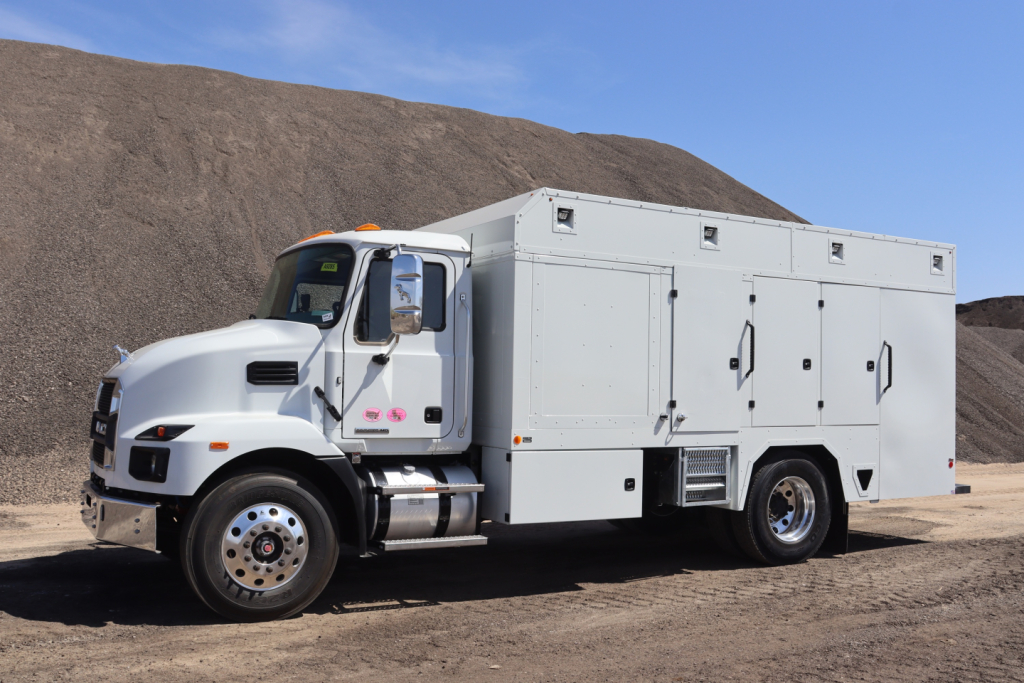
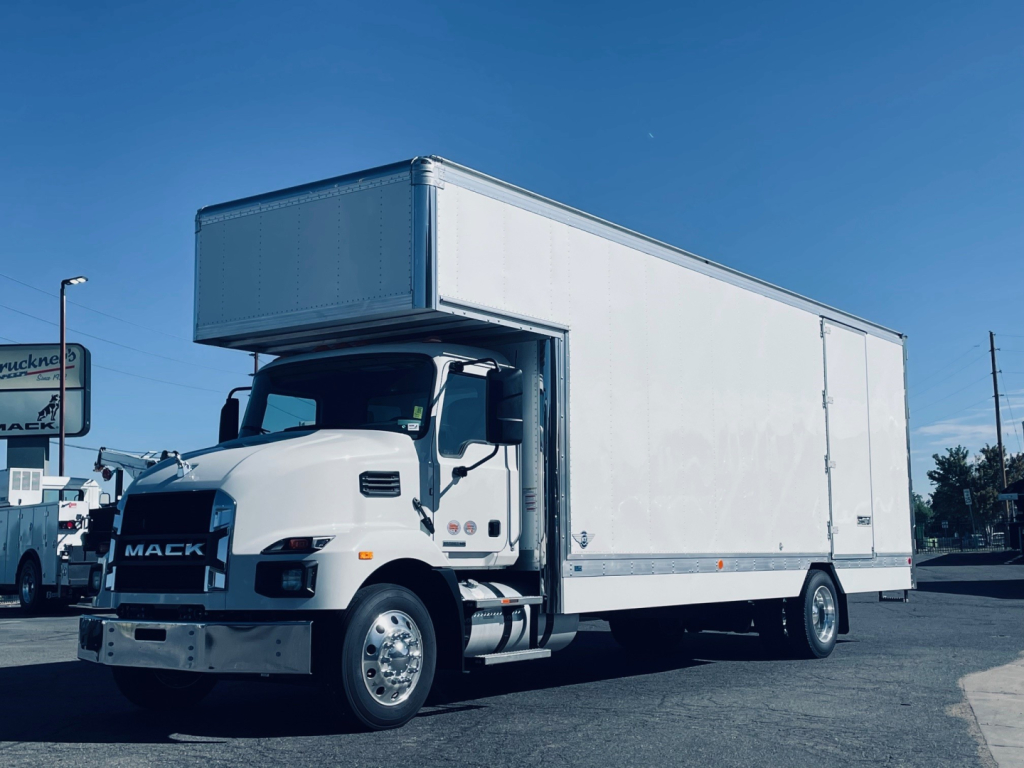
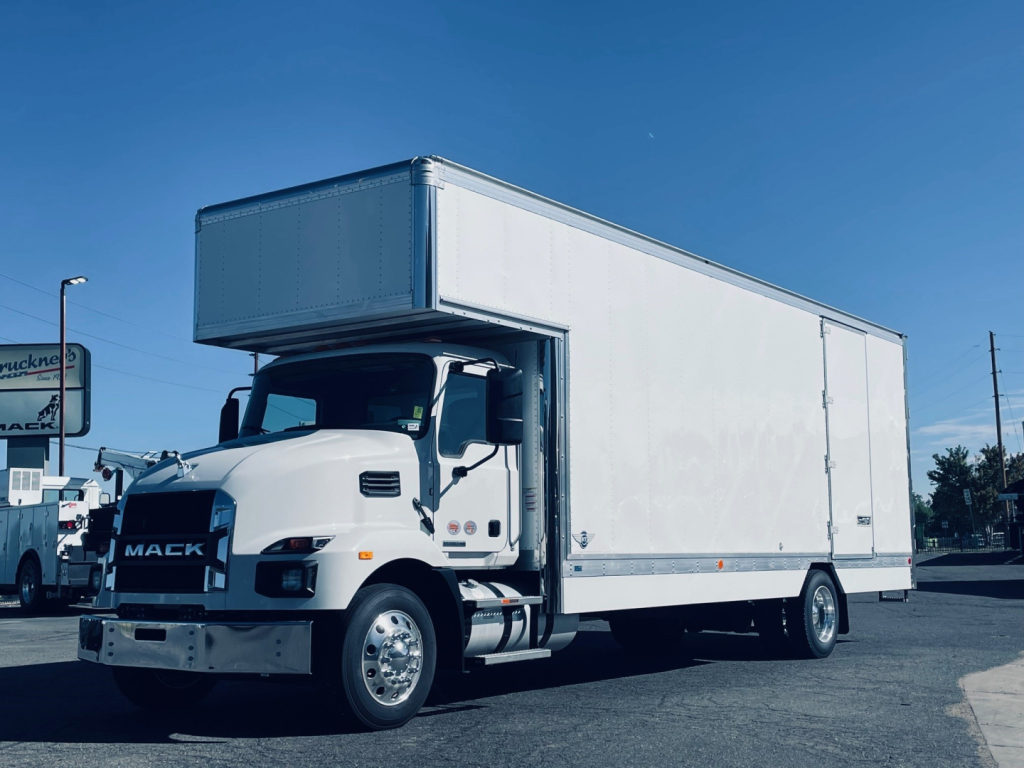
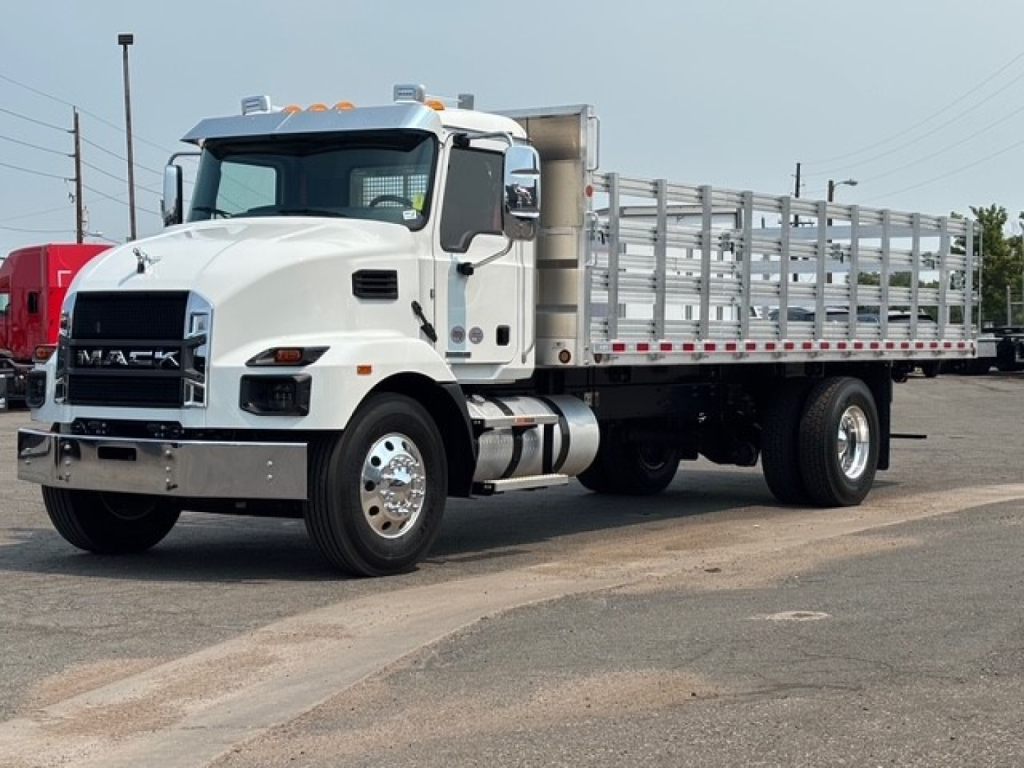
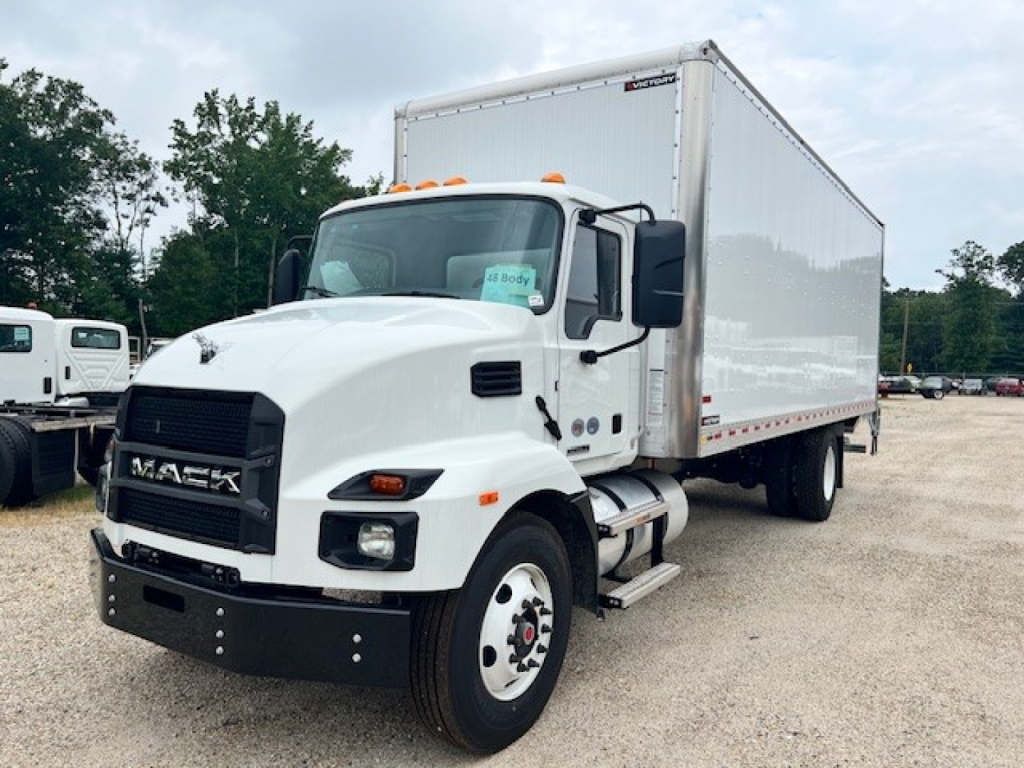
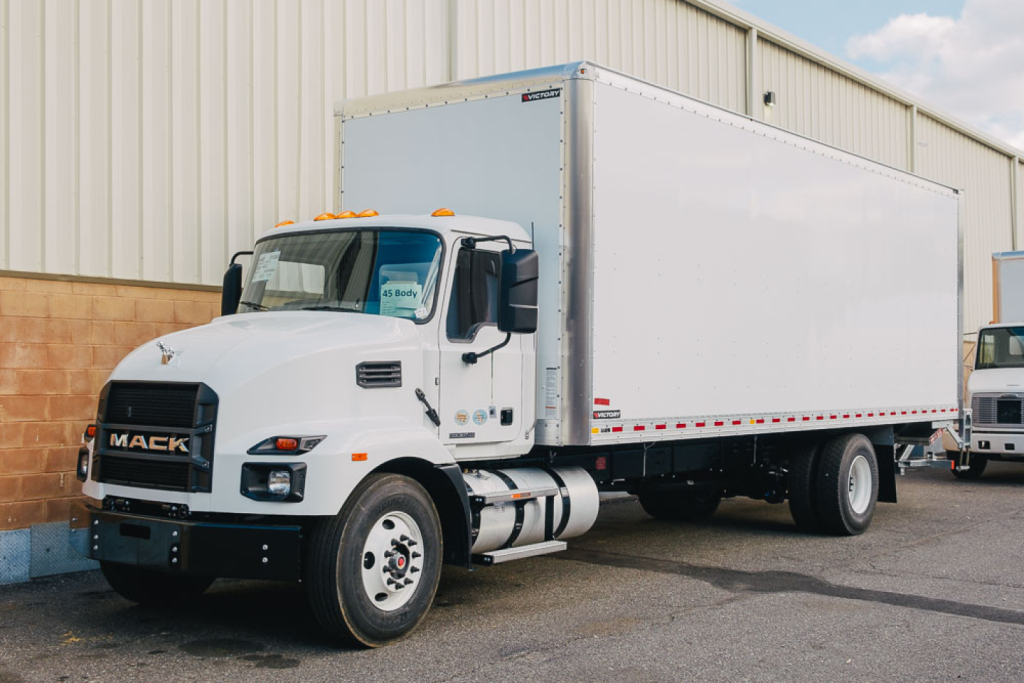
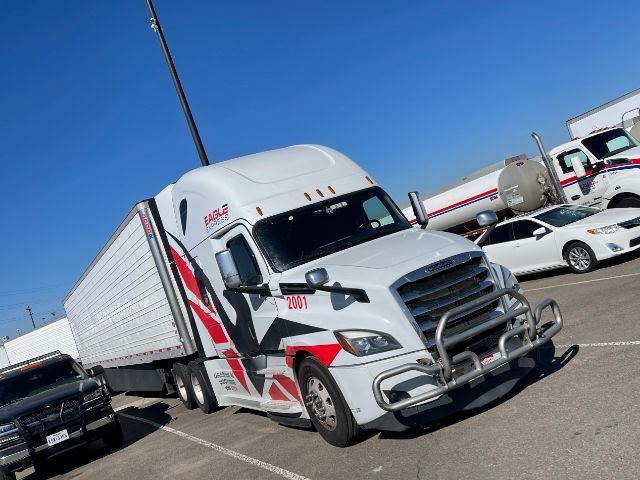
Showing 97 to 108 of 112 results
Have truck to sell? List it here to reach thousands of buyers.
About Trucks Near Commerce City, Colorado
Cargo protection starts at the floor. Dry freight and reefer straight trucks benefit from 1.25 inch or thicker laminated hardwood floors with forklift ratings that match your dock profiles. Aluminum or composite floors save tare weight, but verify knurled plate or threshold wear protection in high traffic areas. Use scuff liners at 12 to 24 inches and logistics posts or full e-track for load securement. For reefer bodies, thermal integrity depends on high density foam panels, sealed vapor barriers at joints, quality door gaskets, and a flat or ducted floor that maintains return airflow. Electric standby, remote evap options, and data loggers help keep temperature claims off your desk in summer heat or winter inversions.
For day cabs and sleeper tractors running the Front Range, match engine torque to GCWR and route profile. A 6x4 tandem improves traction on snowy starts, a 6x2 or liftable pusher can trim weight and rolling resistance, but traction aids and chain-up plans must be realistic. Wide base singles cut tare and improve fuel economy, duals offer better bite and redundancy on rough sites. Aluminum wheels, hubs, crossmembers, and fifth wheels trim hundreds of pounds without giving up frame section modulus or RBM. Disc brakes shorten stops on steep grades and shed weight, and a well tuned tire pressure monitoring system keeps casings alive at temperature swings common along I-70.
Corrosion resistance pays in Colorado where magnesium chloride and road salt attack frames and wiring. Look for e-coat or epoxy-primed frames, powder coated or galvanized subframes, stainless hardware, composite battery boxes, and sealed Deutsch connectors with robust harness routing. LED lighting, heated mirrors, high capacity air dryers, and cold weather fuel system packages improve uptime. Aftertreatment health depends on heat, so choose gearing and duty cycles that enable passive DPF regeneration, consider an APU or bunk heater for idle reduction, and keep DEF lines heated and shielded. Verify state weight and axle spacing needs before you commit, then prioritize tare weight, floor strength, thermal integrity, and corrosion protection so the truck delivers payload and uptime in Commerce City and beyond.
Frequently Asked Questions
What specs matter most for trucks operating around Commerce City and the mountain corridors?
Engine torque at low rpm, the right transmission ratios, and a strong engine brake or retarder are essential for long grades. Select axle ratios that balance startability with cruise efficiency, and add a cooling package sized for altitude. A 6x4 tandem increases winter traction, while a 6x2 or liftable axle trims weight if your routes allow. Disc brakes, tire pressure monitoring, and chains or approved traction devices round out a practical Front Range setup.
How should I evaluate floor strength and cargo protection on a dry van or reefer straight truck body?
Check the floor’s forklift rating, material, and thickness, then inspect wear plates at the rear threshold where pallet jacks hit hardest. Laminated hardwood handles point loads well, aluminum or composite options reduce tare but need proper anti-slip and reinforcement. Install scuff liners and logistics tracks to prevent wall damage and improve securement. For reefers, confirm insulation continuity, door seal quality, air chutes or return air paths, and consider electric standby to maintain temperature with less engine run time.
What are practical ways to reduce tare weight without sacrificing durability?
Target non-structural components first. Aluminum wheels, hubs, tanks, and fifth wheels remove significant pounds, and wide base singles reduce rolling mass if traction needs are covered. Composite or aluminum body floors and roof bows help, provided forklift and impact requirements are met. Right-size fuel capacity, wheelbase, and sleeper length to the route. Disc brakes and optimized battery configurations also save weight while maintaining performance.
How do Colorado winter chemicals affect trucks, and what specs improve corrosion resistance?
Magnesium chloride and salt attack bare steel and unsealed wiring. Favor e-coat or epoxy-primed frames, galvanized or stainless crossmembers, stainless fasteners, composite battery boxes, polymer fenders and liners, and sealed connectors. Add underbody protection on spray zones, spec quality mudflaps and splash management, and choose LED lighting to eliminate moisture-prone housings. Regular wash programs and dielectric grease on terminals extend service life.
What should I consider about emissions and cooling performance at altitude?
Turbocharged engines lose some margin at elevation, so larger cooling modules, high capacity charge air coolers, and smart fan controls are valuable. Proper gearing keeps exhaust temperatures high enough for passive DPF regeneration, which reduces forced regens. Heated DEF lines and insulated tanks prevent winter faults, while idle reduction equipment like APUs or bunk heaters lowers soot loading during cold snaps. Review manufacturer altitude ratings and software calibrations that support mountain service.