
Trucks For Sale in California
Commercial trucks in California, from sleepers and day cabs to box and dump trucks, with CARB-compliant specs guidance for buyers across applications.
Learn morePopular Trucks Categories
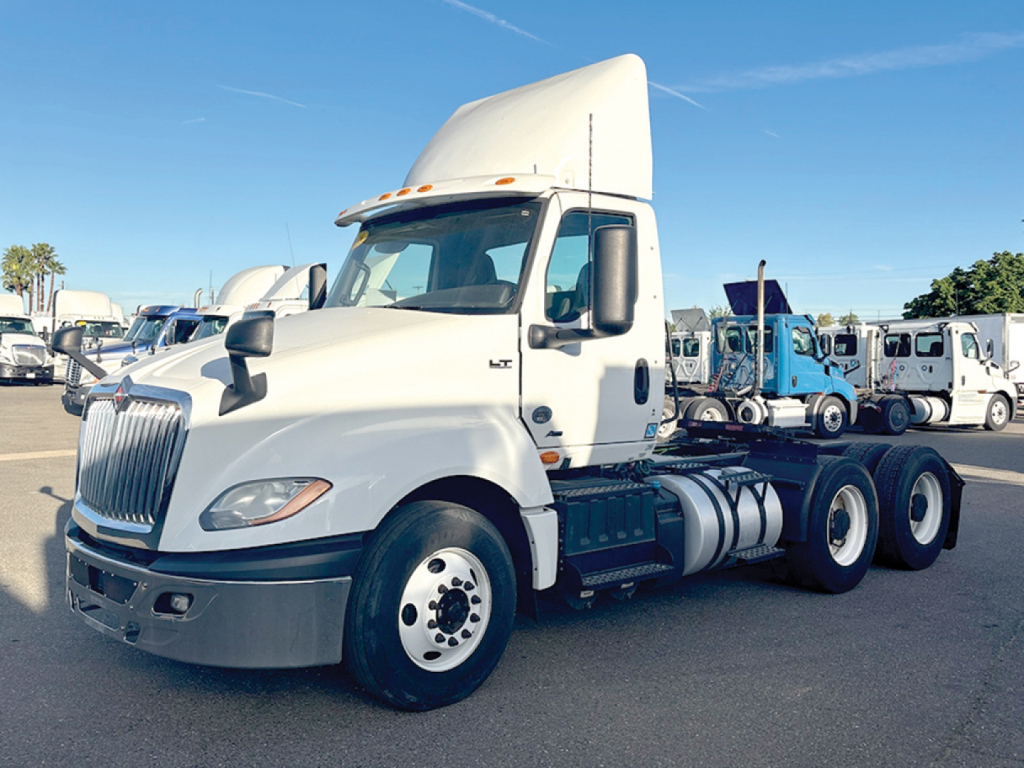

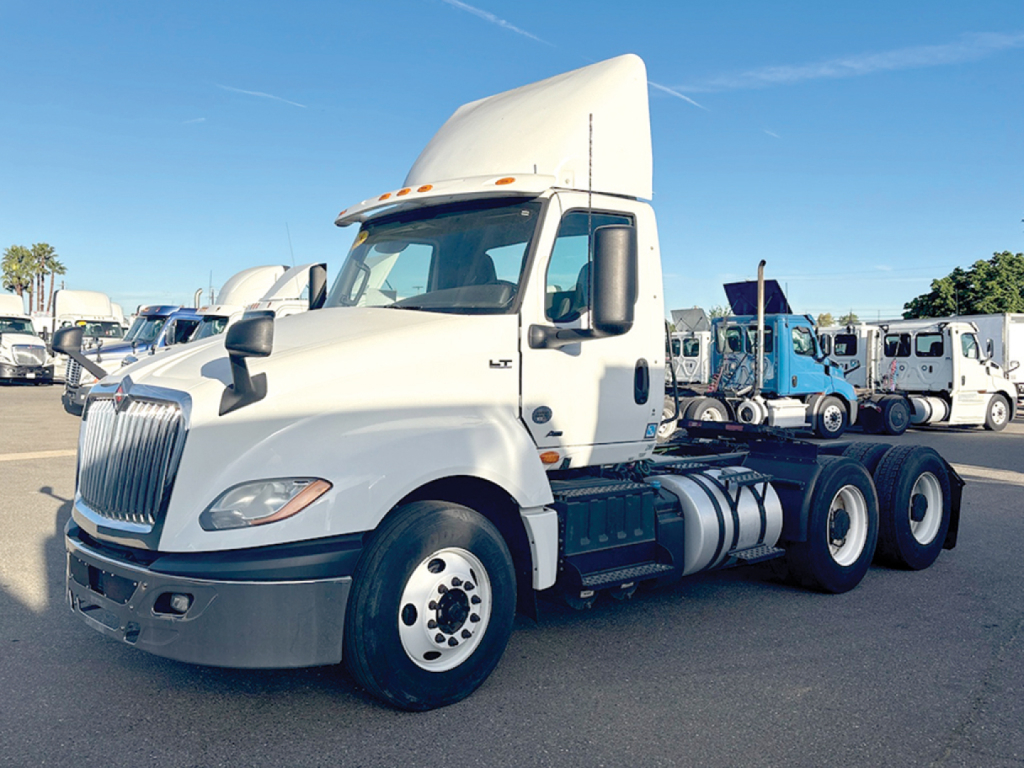
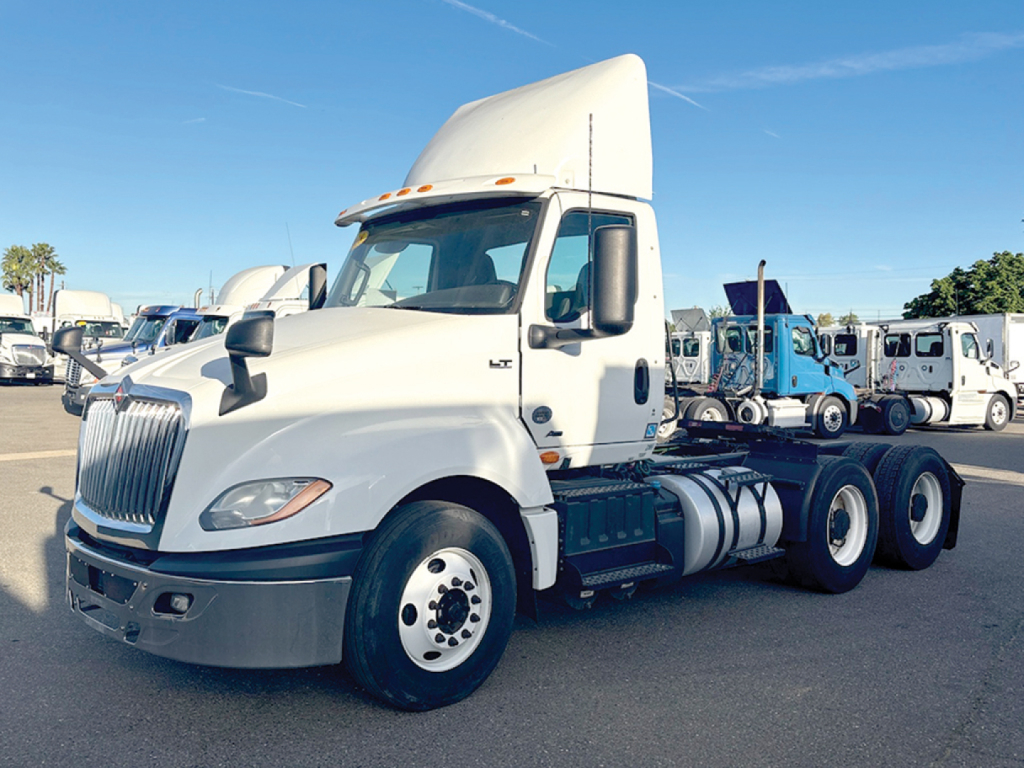
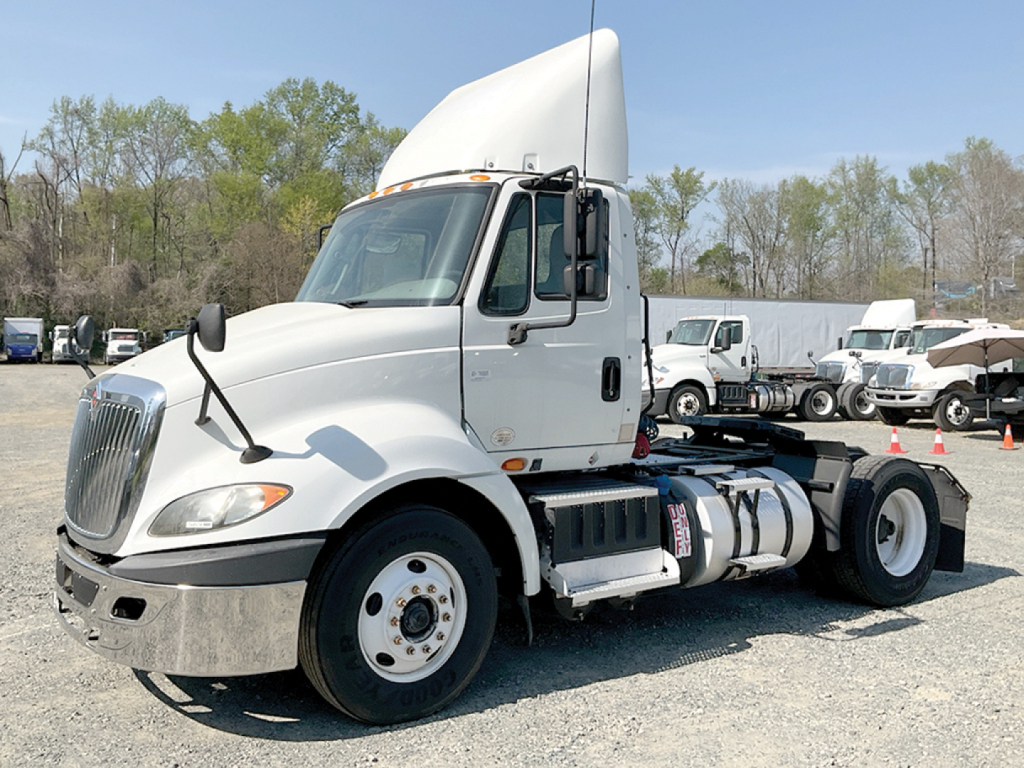

Showing 37 to 48 of 88 results
Have truck to sell? List it here to reach thousands of buyers.
About Trucks in California
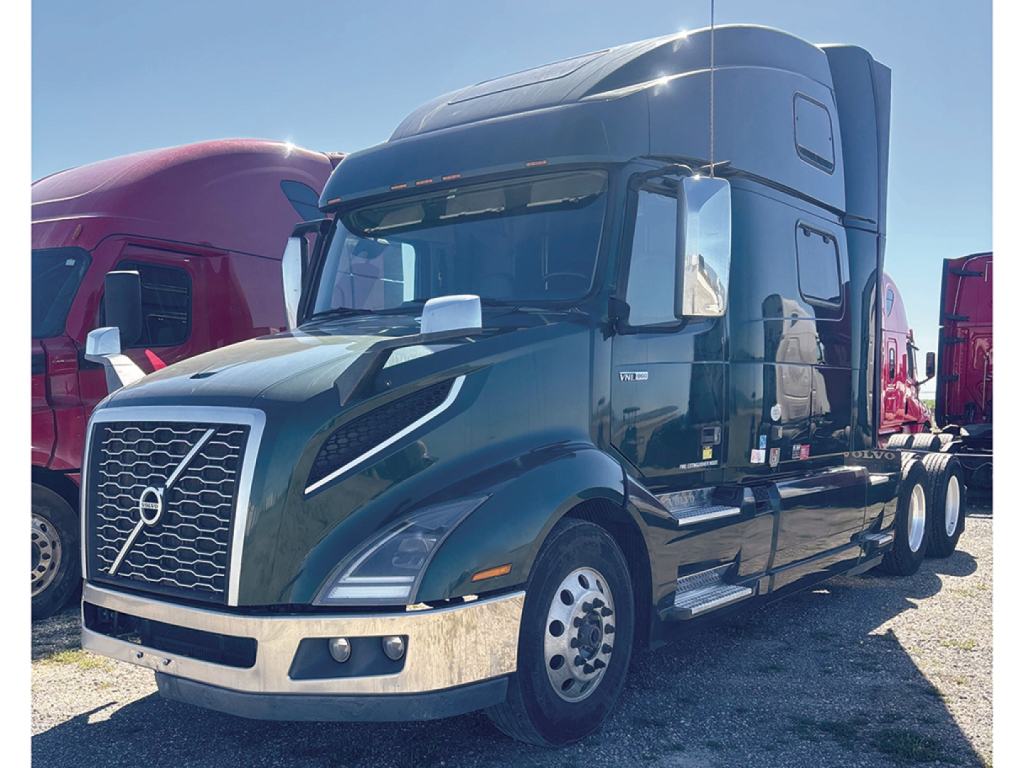
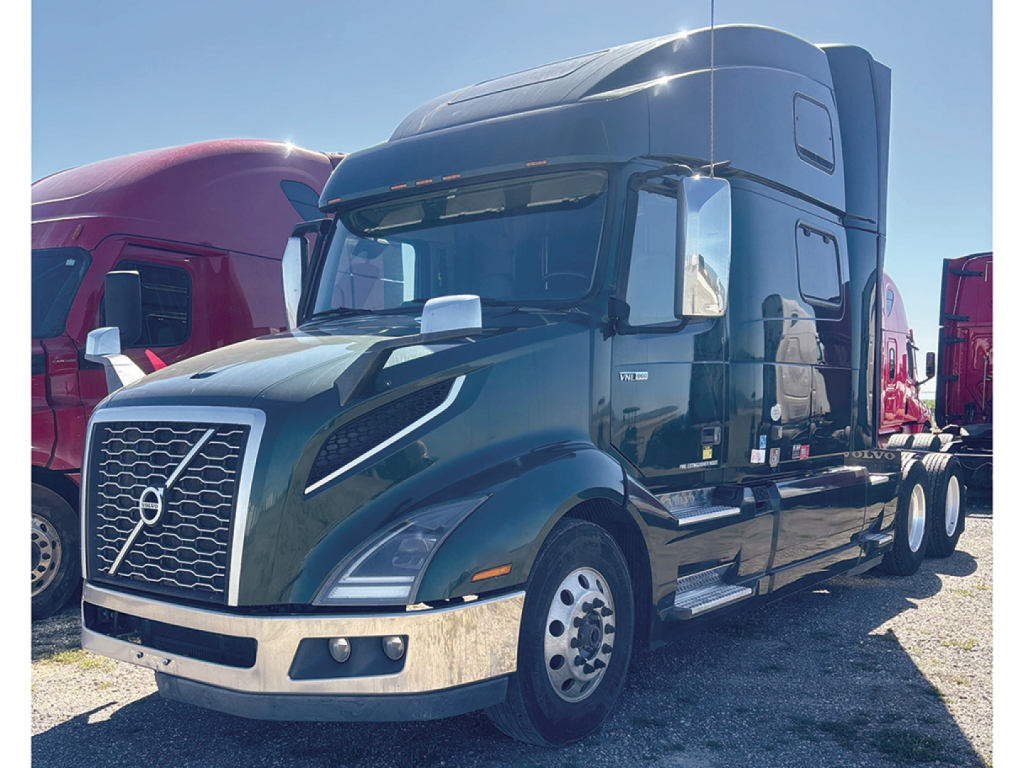
For highway work, late-model sleepers with aerodynamic fairings, roof caps, and chassis skirts reduce drag in the Central Valley crosswinds and coastal corridors. Automated manuals like DT12, UltraShift, Endurant, and PACCAR TX transmissions paired with downsped rear ratios deliver fuel economy on flat stretches, but make sure torque curves and rear axle ratios still suit sustained climbs on the Grapevine or Donner. A 6x4 tandem offers traction and weight distribution flexibility for 80,000 GVW, while some regional haulers favor 6x2 or liftable tag configurations to save weight and reduce tire scrubbing. Wheelbase affects ride, turning radius, and bridge weight distribution when paired with California-legal trailers, so verify kingpin settings and axle spreads you commonly run.
Local and regional routes in Los Angeles, the Bay Area, and San Diego reward short-wheelbase day cabs with tight curb-to-curb turns, wide-view mirrors, and bumpers set for dock approach angles. Box trucks in the 18 to 26 foot range commonly pair with liftgates, E-track, and scuff liners for parcel and LTL work, while reefer straight trucks must meet current TRU requirements for engines or electric standby. Vocational buyers look for double-frame or full-length liners, high-capacity front axles, crossmember spacing that supports dump bodies or mixers, and PTO provisions sized for hydraulic demands. On-roll stability control, air disc brakes, and driver-assist features reduce incident risk in dense traffic and mountain descents alike.
California terrain and climate justify heavy-duty cooling packages, robust engine brakes or hydraulic retarders, and tire choices that balance rolling resistance with grip on hot pavement and winter mountain passes. Predictive cruise, low-rolling-resistance SmartWay tires, and automatic tire inflation systems can deliver real savings on long I-5 and I-10 runs. Aluminum wheels, spec’d fuel tank sizes, and lightweight components help keep payload high while staying under axle ratings. Given higher operating costs in the state, total cost of ownership hinges on service history, dealer network coverage, telematics for fault triage, and documentation that proves emissions components have been maintained, not modified.
Frequently Asked Questions
What emissions rules should I consider when buying a truck for California use?
Most on-road applications require 2010 or newer EPA engines with functioning DPF and SCR systems to meet the CARB Truck and Bus Regulation, and ports require compliant engines for drayage. California’s heavy-duty inspection and maintenance program checks OBD readiness, so trucks must have intact sensors, no codes, and no tampering. Reefers mounted on straight trucks must also comply with current TRU standards. Expect registration problems if the emissions system has been altered or is out of compliance.
Can I register an out-of-state truck in California?
Yes, but it must meet California Air Resources Board requirements. DMV can deny registration for noncompliant trucks, including units with pre-2010 engines for most commercial uses or trucks with tampered aftertreatment. For port work, the unit must meet drayage rules and be listed in the appropriate registry. Verify OBD functionality, aftertreatment service records, and, for reefer straight trucks, TRU compliance before attempting to register.
Which specs work best for California’s grades and traffic?
Choose an engine and axle ratio that maintain torque at lower RPM for efficiency yet keep gradeability for climbs like the Grapevine and Donner Pass. Automated manuals with proper grade hold and creep modes ease congestion driving. Engine brakes or retarders, air disc brakes, and stability control improve downhill control. Shorter wheelbases help in urban deliveries, while highway tractors benefit from aerodynamic packages, downsped drivelines, and predictive cruise for long corridors.
Are glider kits or emissions-deleted trucks a good idea for California?
No. Trucks with altered or deleted emissions systems are not legal to operate on public roads in California, and many cannot be registered. Glider kits equipped with older, noncompliant engines generally do not meet CARB requirements. Beyond legal risk, financing, insurance, and resale value are adversely affected. It is best to choose a fully compliant truck with documented aftertreatment maintenance.
How should I choose between 6x4 and 6x2 for California operations?
A 6x4 tandem provides traction, durability, and more flexible weight distribution for mixed terrain and heavy loads up to 80,000 GVW on interstate routes. A 6x2 or liftable tag can reduce weight and rolling resistance for predictable highway freight, but traction aids and proper load management are essential. Consider your routes, average payload, and trailer pairing, then match the axle configuration to the required traction, tire wear goals, and fuel economy targets.