
Used Sterling Cab and Chassis Trucks For Sale
Browse used Sterling cab and chassis trucks built for dump, service, towing, utility, and vocational body upfits across many GVWR ranges.
Learn more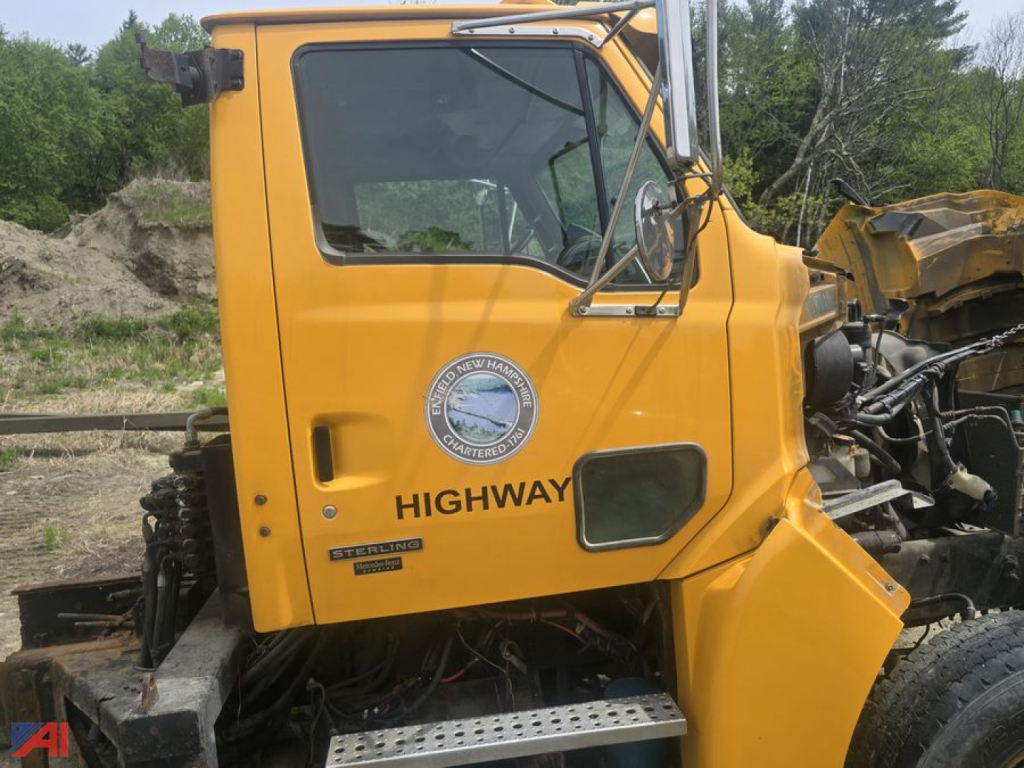
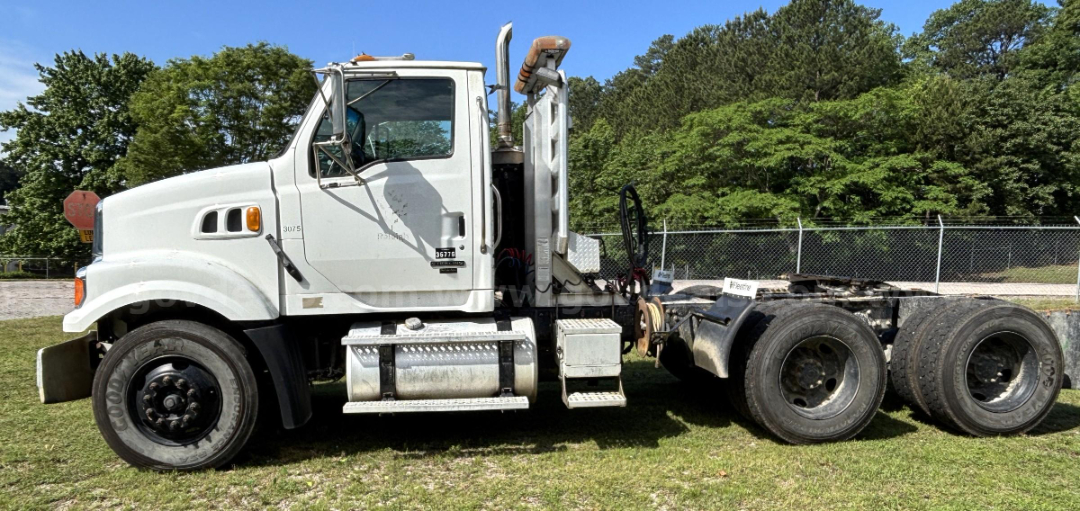
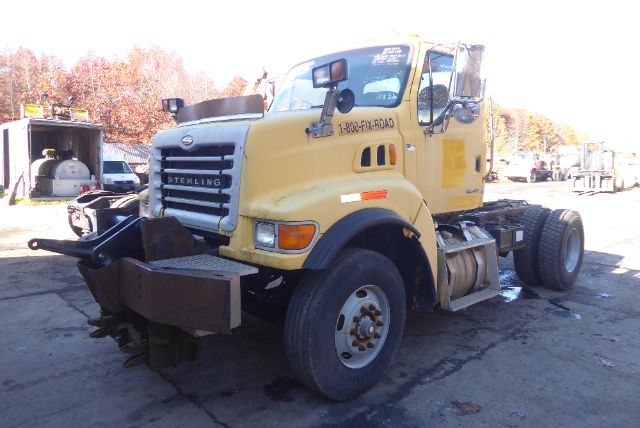
Have used sterling cab and chassis truck to sell? List it here to reach thousands of buyers.
About Used Sterling Cab and Chassis Trucks
The first fitment decision is usually wheelbase and cab-to-axle. Those dimensions determine whether a Sterling chassis can accept a dump body, hooklift, rollback, mechanic body, tank, refuse packer, or utility body without expensive frame work. Common vocational specs include single-axle and tandem-axle layouts, spring or air ride suspension, and GVWRs ranging from medium-duty applications into severe-service configurations. Engines often include Caterpillar, Mercedes-Benz, or Detroit Diesel options paired with Allison automatics or manual transmissions, and axle ratios can vary widely depending on whether the truck was built for stop-and-go city work, plowing, or heavier hauling. If the truck has a PTO, wet kit, or central hydraulic setup, confirm that it operates correctly and matches the hydraulic demands of the intended body.
Sterling cab and chassis trucks are also known for simple vocational packaging and parts commonality with other legacy Freightliner-family products. That can make them attractive in fleets that prioritize serviceability over newer electronics. On used units, pay close attention to frame rail corrosion, previous body mounting holes, rear crossmember condition, suspension wear, brake system health, and any evidence of hard municipal use. Snowplow and spreader trucks in particular can have accelerated rust, wiring repairs, and front axle or steering wear from seasonal duty. Engine hours, idle time, and PTO usage can matter as much as odometer miles on trucks that spent years running hydraulics or operating in low-speed routes.
A strong used Sterling cab and chassis truck can still be a cost-effective platform when the chassis spec matches the job. Verify front axle capacity for plow or crane applications, rear axle rating for payload, and frame strength for hoists or specialized equipment. Check CA, CT, and frame height against the body manufacturer's requirements, and review transmission programming if the truck will live in stop-start service. Buyers who take time to match wheelbase, hydraulic capability, axle ratio, and weight ratings to the final upfit usually get the best long-term value from this equipment class.
Frequently Asked Questions
What are Sterling cab and chassis trucks commonly used for?
Sterling cab and chassis trucks are commonly used for dump bodies, flatbeds, service bodies, utility bodies, hooklifts, rollbacks, tanker applications, refuse bodies, and snow-and-ice equipment. They were frequently ordered for municipal and construction duty, so many used chassis already have PTO setups, hydraulic plumbing, or vocational axle and suspension specs that make them suitable for specialized body installation.
What measurements matter most when buying a used Sterling cab and chassis?
The most important measurements are wheelbase, cab-to-axle, and cab-to-end-of-frame. Those dimensions determine body fit and affect weight distribution, bridge compliance, and turning radius. Buyers should also confirm frame rail height and width, rear overhang, and axle placement before ordering or transferring a body, because even small dimensional mismatches can add fabrication cost or limit upfit options.
Are Sterling cab and chassis trucks good for dump or plow applications?
Many Sterling chassis are well suited for dump and plow work because they were commonly spec'd with heavy front axles, spring suspensions, air brakes, PTO capability, and low rear axle ratios for vocational service. The key is verifying that the front axle rating, frame condition, hydraulic system, and transmission spec match the intended use. On former plow trucks, inspect closely for corrosion, front frame stress, steering wear, and wiring repairs caused by winter equipment.
What should buyers inspect on a used Sterling cab and chassis truck?
Buyers should inspect frame rails for rust, cracks, and extra body-mount holes, along with crossmembers, suspension components, brake condition, tires, steering, and driveline wear. It is also important to check engine hours, PTO function, wetline operation, and any signs of hard idle-heavy service. On vocational trucks, body-removal damage, electrical modifications, and hydraulic leaks are common issues that can affect the cost and timeline of putting the chassis back to work.
Are parts and service still a concern with Sterling trucks?
Parts availability is usually manageable because many Sterling trucks shared components with Freightliner-related platforms and used engines, transmissions, axles, and brake systems from major suppliers such as Caterpillar, Detroit Diesel, Mercedes-Benz, Allison, Meritor, and Rockwell. The bigger concern is not the badge itself but the exact drivetrain and chassis specification. Buyers should identify the engine family, transmission model, axle components, and brake system before purchase so maintenance planning is clear.