
Oshkosh Cab and Chassis Trucks For Sale in New York
Browse Oshkosh cab and chassis trucks built for severe-duty work, municipal service, upfitting, and vocational applications in New York.
Learn more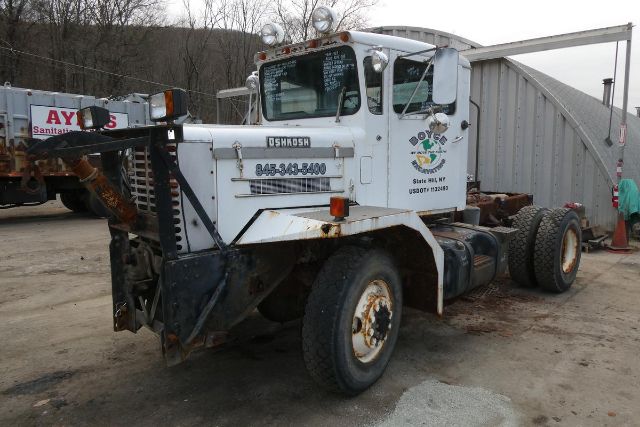
Have oshkosh cab and chassis truck to sell? List it here to reach thousands of buyers.
About Oshkosh Cab and Chassis Trucks in New York
The most important buying decision is how the chassis was configured from the factory and how it was used afterward. Cab to axle, wheelbase, and frame rail design determine what body can be mounted and how the finished truck will balance under load. On Oshkosh units, it is common to see severe-service specs such as all-wheel drive or 4x4, spring suspension, heavy Rockwell axles, air brakes, PTO-driven hydraulics, and transfer cases for low-speed traction work. If the truck is intended for snow operations, check for a wetline or front-engine hydraulic pump, front plow mounts, headgear condition, spreader controls, and any signs of frame stress around attachment points. On older trucks, mechanical Cummins engines and manual transmissions can be a benefit for fleets that want simpler serviceability, but buyers should inspect carefully for oil contamination, driveline wear, brake system condition, and parts support.
Oshkosh cab and chassis models are often chosen because they can carry specialized equipment that lighter vocational trucks cannot handle reliably. High GVWR ratings, stout front ends, and heavy-duty cooling and driveline components make them suitable for plow trucks, sander trucks, crash response units, off-road support rigs, and other niche municipal or industrial jobs. That said, ride quality, turning radius, cab ergonomics, and highway speed are usually secondary to durability and traction. A buyer comparing listings should verify axle ratings, tire size, transfer case operation, PTO function, and whether the truck has a single frame or double frame. In rust-belt states, frame condition, cab mounts, brake plumbing, and hydraulic lines deserve extra attention.
A good Oshkosh cab and chassis purchase starts with matching the chassis to the intended body and duty cycle, not just the engine badge or model year. Measure the cab to axle and cab to end dimensions, confirm the gross vehicle weight rating fits the payload, and review how the truck will be registered and operated locally. For municipal and contractor fleets, the value is often in the truck's purpose-built components: front drive axle, severe-duty suspension, hydraulic integration, and proven cold-weather capability. When those core specs line up with the job, an Oshkosh cab and chassis can be one of the most durable platforms in the vocational market.
Frequently Asked Questions
What is an Oshkosh cab and chassis truck typically used for?
An Oshkosh cab and chassis truck is typically used for severe-duty vocational work where the chassis must support specialized equipment. Common applications include snow plows, sanders, spreaders, utility bodies, tanks, service bodies, airport support equipment, and other municipal or industrial upfits. These trucks are valued for heavy front axle capacity, rugged frames, and driveline options such as all-wheel drive or 4x4.
What should I check first on a used Oshkosh cab and chassis?
Start with the frame, axle ratings, cab to axle measurement, and drivetrain configuration. Those items determine whether the truck can accept the body or equipment you plan to install and whether it can handle the intended load. After that, inspect PTO operation, hydraulic systems, transfer case function, brake condition, suspension wear, and corrosion on the frame rails, mounts, and plumbing. On older units, engine condition and parts availability should also be verified early in the buying process.
Are older Oshkosh cab and chassis trucks good for plow and spreader work?
Many older Oshkosh cab and chassis trucks were purpose-built for plow and spreader service and can still be effective in that role if the core components are sound. Their appeal usually comes from heavy-duty front frames, mechanical diesel engines, straightforward manual transmissions, and robust hydraulic setups. The key is condition. Buyers should inspect plow mounts, hydraulic pumps, cylinders, spinner systems, frame stress points, and signs of rust from years of salt exposure.
Why do cab to axle and wheelbase matter on a cab and chassis truck?
Cab to axle and wheelbase are critical because they determine what body length can be installed and how weight will be distributed across the axles. If those dimensions are wrong, the body may not fit correctly, axle loading can become a problem, and the truck may not perform safely under load. On a severe-duty Oshkosh chassis, correct dimensions are especially important when mounting spreaders, tanks, dump bodies, or other equipment with concentrated weight.
Is an Oshkosh cab and chassis practical for regular highway use?
It can be used on the highway, but most Oshkosh cab and chassis trucks are designed first for vocational durability, traction, and equipment support rather than everyday over-the-road comfort. Many have gearing, suspension, and steering characteristics that favor low-speed work, jobsite movement, or municipal operations. Buyers who expect frequent highway miles should compare top speed, ride quality, turning radius, noise level, and serviceability before choosing a severe-duty chassis over a more conventional vocational truck.