
Isuzu Cab and Chassis Trucks For Sale in New York
Shop Isuzu cab and chassis trucks for sale. Compare NPR and NQR configurations, GVWR, wheelbase, diesel power, and body-ready upfit options.
Learn more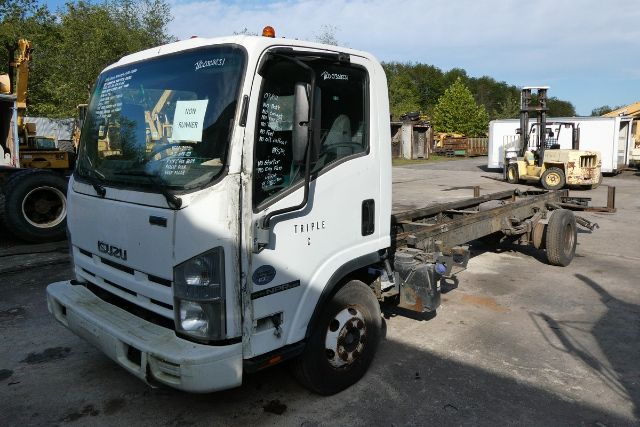
Have isuzu cab and chassis truck to sell? List it here to reach thousands of buyers.
About Isuzu Cab and Chassis Trucks in New York
The main buying decision is usually wheelbase, cab-to-axle, and final body application. A cab and chassis gives you the flexibility to install a dry van body, reefer box, landscape dump, stake body, contractor body, utility body, or rollback in the appropriate configuration. Buyers should match the chassis dimensions to the intended upfit and pay close attention to frame length, axle ratings, and usable payload after the body and equipment are installed. On Isuzu cab-over models, body length can vary widely based on wheelbase, so cab-to-axle measurement matters more than many first-time buyers expect.
Powertrain choices on Isuzu cab and chassis trucks often center on the proven 4HK1 diesel in NPR HD and related models, commonly paired with an Aisin automatic transmission. These trucks are known for straightforward serviceability and efficient stop-and-go performance, but condition still matters more than reputation on a used unit. Review engine hours if available, cold-start behavior, transmission shift quality, suspension condition, brake wear, and frame integrity, especially on trucks that may have spent years in municipal or urban service. Spring suspension, single rear axle setups, steel wheels, and 4x2 configurations are common in this category.
A good Isuzu cab and chassis truck is less about badges and more about fit for the job. Check door opening clearance, cab ergonomics, front axle capacity, rear spring rating, tire size, and whether the truck was ordered with the right wheelbase for your target body. If the truck already has PTO provisions, body-builder wiring, or an upfit-friendly frame layout, that can simplify the next step. For buyers comparing medium-duty cab-over trucks, Isuzu remains a practical choice for local delivery, service fleets, beverage distribution, refrigerated routes, and other applications where compact dimensions and body flexibility are the priority.
Frequently Asked Questions
What is an Isuzu cab and chassis truck used for?
An Isuzu cab and chassis truck is a stripped, body-ready commercial truck designed to accept a vocational or delivery body. Common uses include dry freight delivery, refrigerated distribution, landscaping, plumbing and electrical service, dump applications, stake beds, and tow or rollback setups where the chassis dimensions and GVWR match the intended body.
Which Isuzu models are most common in cab and chassis configurations?
The most common Isuzu cab and chassis models are the NPR, NPR HD, NQR, and NRR. These models cover a range of medium-duty weight classes and are often selected based on required payload, axle ratings, wheelbase, and whether the finished truck will be used for city delivery, service work, or a heavier vocational application.
What specs matter most when buying a used Isuzu cab and chassis truck?
The most important specs are GVWR, front and rear axle ratings, wheelbase, cab-to-axle measurement, engine and transmission combination, and the condition of the frame. Buyers should also confirm tire size, suspension type, brake condition, and the remaining payload after the planned body, liftgate, refrigeration unit, or other mounted equipment is installed.
Why do many fleets choose Isuzu cab-over chassis trucks?
Many fleets choose Isuzu cab-over chassis trucks because they are compact, easy to maneuver, and well suited for dense urban routes. The cab-over design improves forward visibility and allows a longer body on a shorter overall truck length compared with many conventional-nose chassis, which can be a major advantage in city delivery and dock access.
Is wheelbase or cab-to-axle more important on an Isuzu cab and chassis?
Both matter, but cab-to-axle is often the key measurement for body fitment. Wheelbase affects ride, turning radius, and overall length, while cab-to-axle determines whether a specific box, bed, or vocational body will mount correctly. A buyer planning an upfit should verify both measurements before purchase to avoid expensive body installation issues.