
Used Hino Cab and Chassis Trucks For Sale in New York
Browse used Hino cab and chassis trucks in New York. Compare GVWR, wheelbase, cab-to-axle, diesel powertrains, and body upfit options.
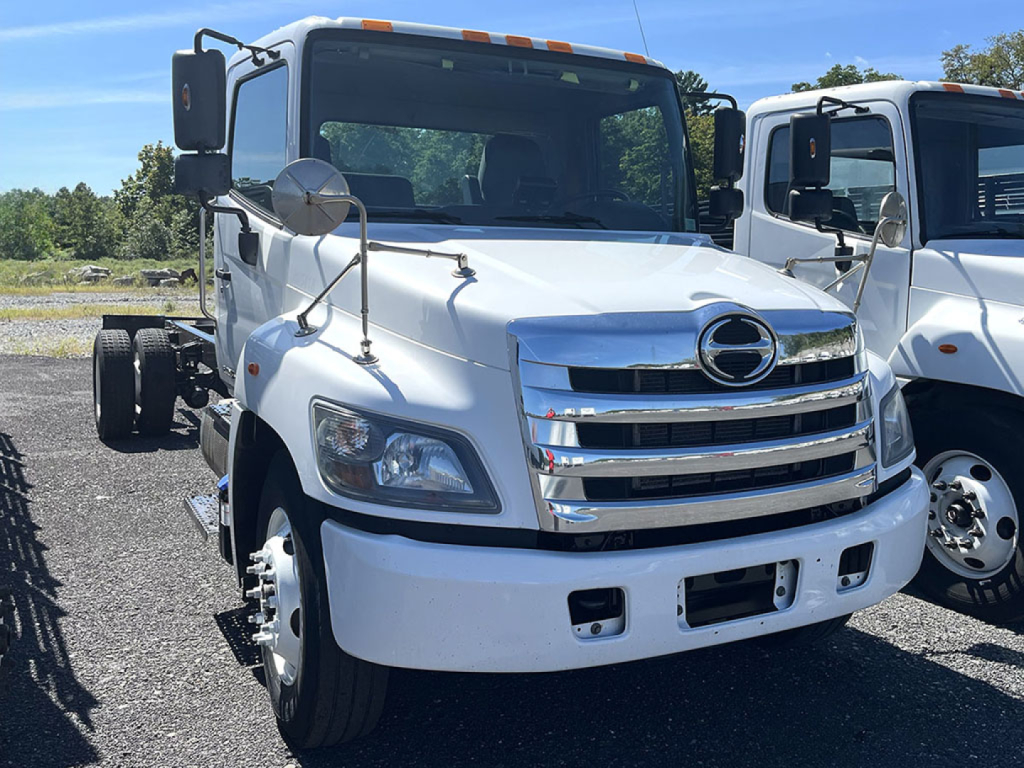
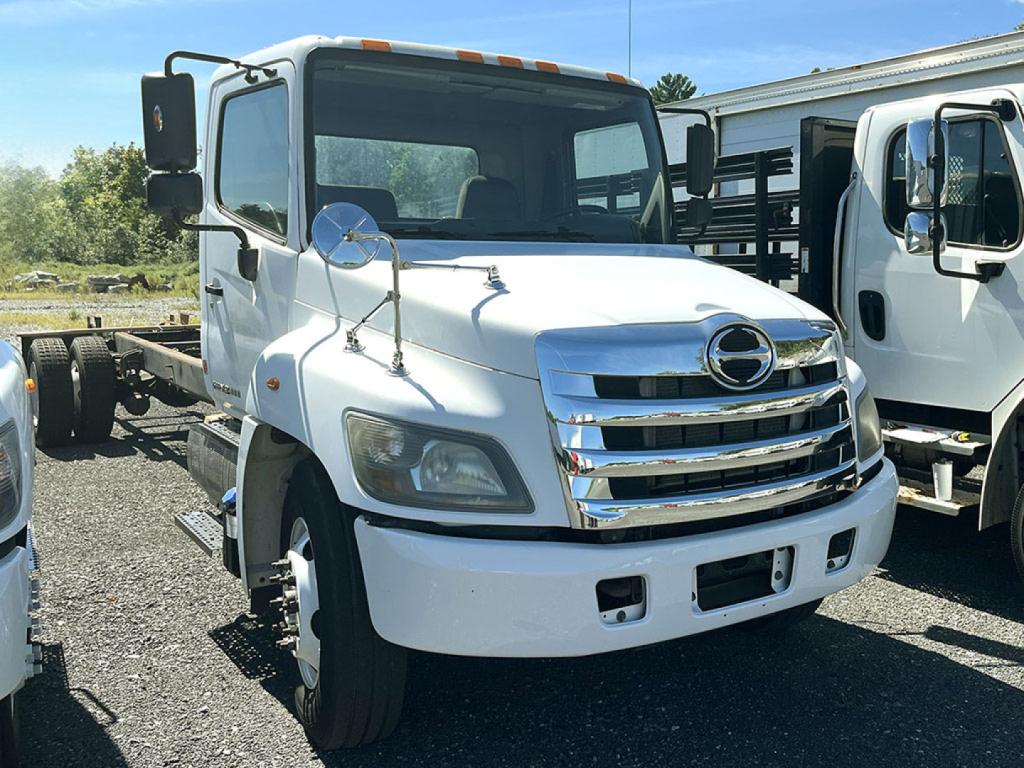
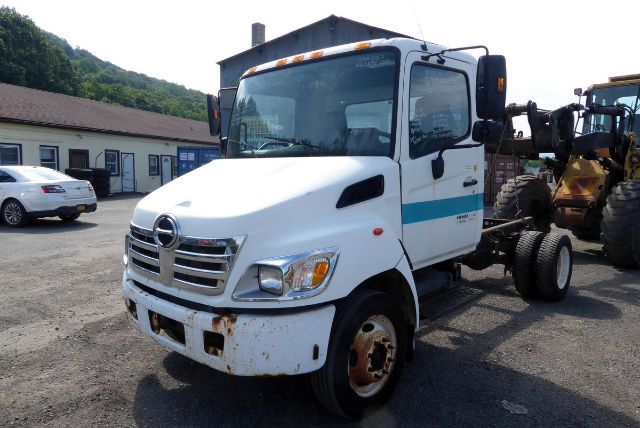
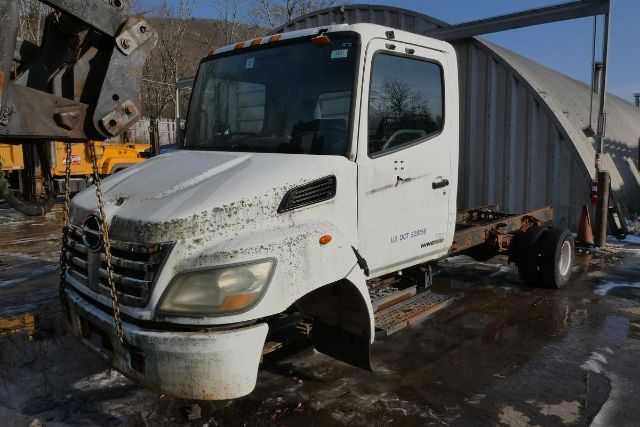

Looking for the easiest place to sell your used hino cab and chassis truck? List it here to reach thousands of buyers.
Used Hino Cab and Chassis Trucks in New York
The first specs to sort out are GVWR, wheelbase, and cab-to-axle length. Those three numbers determine what body can be installed and how the finished truck will balance on the axles. In the used market, lighter Hino models often fall in the 14,500 to 16,000 lb GVWR range with single-frame construction, spring suspension, and hydraulic disc brakes. Wheelbases around 148 to 169 inches and cab-to-axle dimensions in the 84 to 106 inch range are common on urban delivery chassis. Buyers should also confirm rear axle rating, axle ratio, tire size, and frame condition before planning an upfit or a body swap. If the truck is replacing an existing unit, matching cab-to-axle and frame height can save substantial fabrication cost.
Hino medium-duty cab and chassis trucks are typically powered by small-displacement turbo diesel engines paired with automatic transmissions, a combination that fits stop-and-go work well. On older used units, engine condition matters more than the badge on the hood. Look for cold-start behavior, blow-by, service history, injector and turbo performance, and signs of coolant or oil contamination. Transmission operation is just as important, especially on trucks that spent years in city pickup and delivery service. Brake type, steering wear, suspension bushings, and tire condition should be checked with the intended body and payload in mind, since a chassis that feels acceptable empty can show different manners once fully upfitted.
Hino is well regarded in this class for cab visibility, low step-in height, and a chassis layout that works well for regional delivery, beverage, parcel, landscaping, and light construction support. A used cab and chassis truck should be evaluated as both a power unit and an upfit foundation. Buyers in New York should pay close attention to rust on frame rails, crossmembers, brake lines, and cab mounts, along with any corrosion from municipal or winter road exposure. The best purchase is usually the chassis with the right dimensions, clean frame, and sound drivetrain, because those factors have a bigger impact on total cost than cosmetic condition alone.
Frequently Asked Questions about Used Hino Cab and Chassis Trucks in New York
What is the most important measurement on a used Hino cab and chassis truck?
Cab-to-axle length is usually the most important measurement because it determines what body length and body type will fit the chassis correctly. Wheelbase, frame height, and rear axle placement also matter, but cab-to-axle is the number body installers use first when matching a box, flatbed, service body, or reefer body. If you are replacing an existing truck, matching the original cab-to-axle can reduce fabrication time, driveline changes, and mounting modifications.
Are used Hino cab and chassis trucks good for city delivery work?
Yes. Hino cab and chassis trucks are widely used in city and regional delivery because they combine diesel efficiency, good visibility, and medium-duty payload capability in a compact package. Many are spec'd with automatic transmissions, hydraulic brakes, and shorter wheelbases that work well in tight streets, alleys, loading docks, and dense commercial areas. The right configuration depends on body size, route length, stop frequency, and whether the truck will regularly operate near its GVWR.
What should I inspect on a used Hino cab and chassis in New York?
Frame corrosion should be near the top of the list, especially around crossmembers, spring hangers, cab mounts, fuel system brackets, and brake line routing. Buyers should also inspect for rust caused by road salt, prior body removal, or poorly repaired mounting holes. Beyond corrosion, check engine blow-by, transmission shift quality, brake condition, steering play, suspension wear, axle ratings, and tire age. A chassis intended for upfitting should also be measured carefully to confirm frame straightness and usable rail length.
What bodies are commonly installed on a Hino cab and chassis?
Common upfits include dry van bodies, refrigerated bodies, flatbeds, stake beds, utility bodies, landscape dumps, and contractor service bodies. The chassis can also support specialized applications such as shuttle, towing support, and municipal work depending on axle ratings and frame dimensions. The final choice depends on cab-to-axle, wheelbase, GVWR, and the weight distribution of the finished body and cargo.
How do GVWR and axle ratings affect body selection on a used cab and chassis truck?
GVWR sets the truck's maximum legal operating weight, while front and rear axle ratings determine how that weight can be carried. A body that fits physically may still be the wrong choice if it overloads the rear axle or leaves too little payload after installation. Buyers should calculate body weight, cargo weight, fuel, driver, and mounted equipment before selecting a chassis. This is especially important for reefer bodies, service bodies with compressors or generators, and flatbeds carrying dense materials.