
Hino Cab and Chassis Trucks For Sale in New York
Browse Hino cab and chassis trucks built for box, flatbed, dump, reefer, and service body upfits with dependable diesel power.
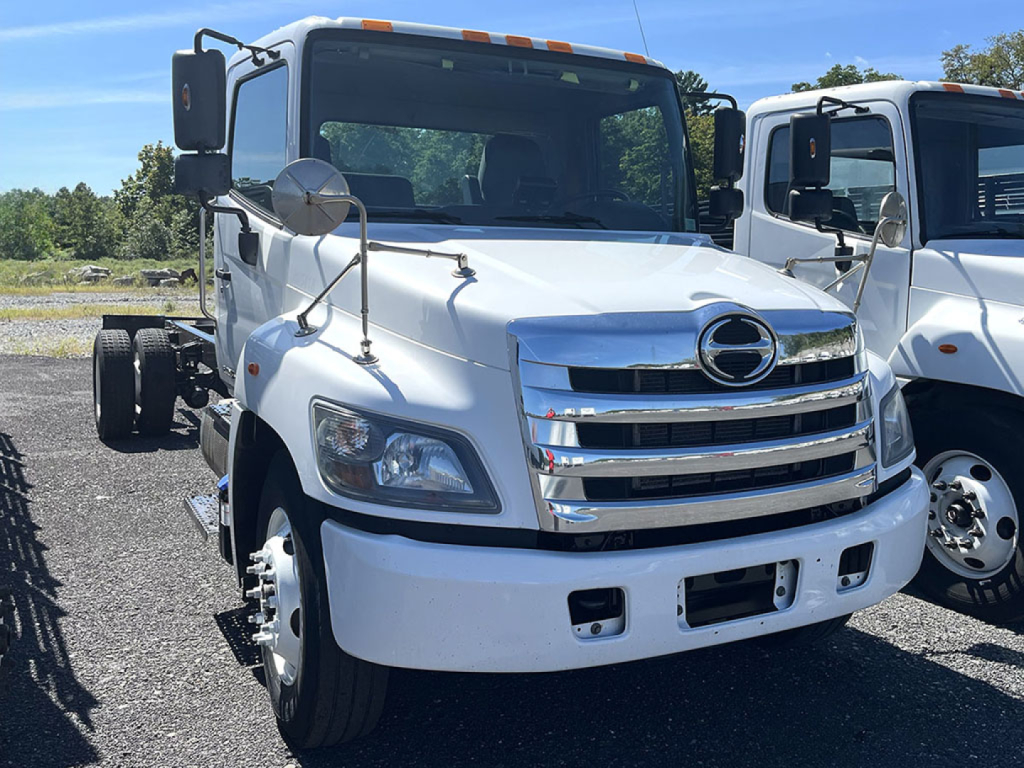
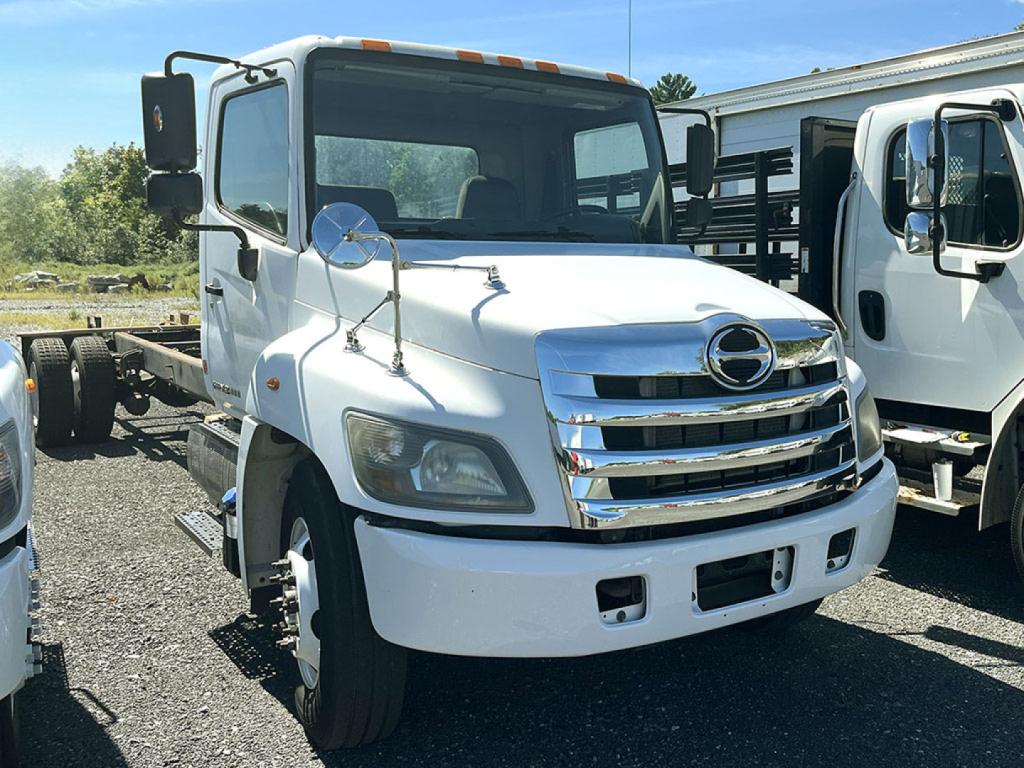
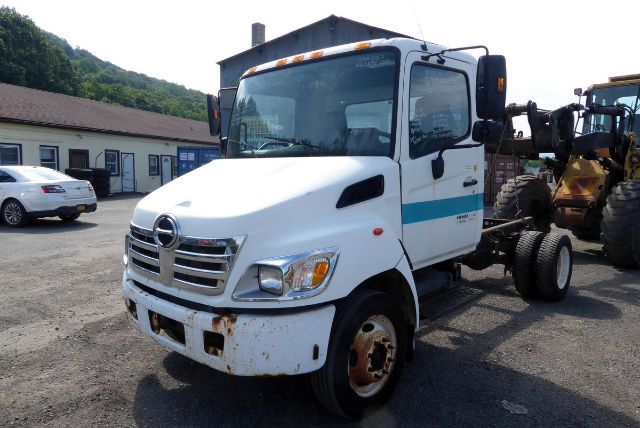
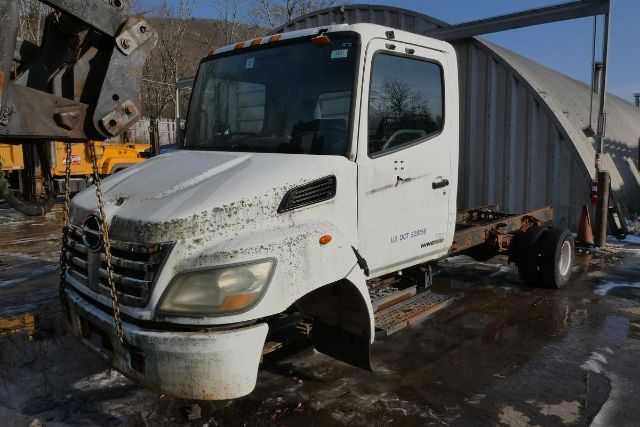

Have hino cab and chassis truck to sell? List it here to reach thousands of buyers.
Hino Cab and Chassis Trucks in New York
In the Hino lineup, smaller models such as the 145 and NB165 are typically used for urban delivery and lighter vocational work, often with GVWRs around 14,500 to 16,000 pounds. Larger models such as the Hino 338 move into heavier Class 7 work with diesel engines in the 200-plus horsepower range, higher rear axle capacities, and longer wheelbase options for bigger bodies. Many used Hino cab and chassis trucks are spec'd with automatic transmissions, 4x2 single-axle configurations, spring or air ride suspensions, and rear ratios chosen for stop-and-go service rather than high-speed linehaul. Buyers in New York often pay close attention to rust, frame condition, brake line corrosion, and cab mount wear because regional road treatment can affect long-term durability.
Engine and maintenance history matter as much as body-fit dimensions. Hino diesel engines are known for good fuel economy in pickup-and-delivery work, but a used unit still needs a close review of blow-by, injector performance, cooling system condition, DPF and emissions service records where applicable, and transmission operation under load. Hydraulic disc brakes are common on lighter models, while heavier chassis may be equipped with air brakes and air ride depending on spec. Check tire size and wheel type, rear axle ratio, suspension rating, and any signs of frame modification if the truck has already carried a commercial body. A clean, straight single frame is usually preferred when the next upfit needs flexibility.
For buyers planning an upfit, the most important measurements are usually wheelbase, cab-to-axle, and cab-to-end, followed by front and rear GAWR, frame height, and PTO compatibility if hydraulic equipment will be added. The right Hino cab and chassis can be a cost-effective base for a long-service fleet truck, especially in delivery, trade, and municipal applications where maneuverability, diesel durability, and straightforward service access matter more than sleeper space or highway spec. Matching the chassis to payload, body length, and route profile will do more for long-term performance than simply choosing the highest horsepower rating.
Frequently Asked Questions about Hino Cab and Chassis Trucks in New York
What is a Hino cab and chassis truck used for?
A Hino cab and chassis truck is a stripped truck platform designed to accept a vocational or commercial body. Common uses include box trucks, refrigerated bodies, flatbeds, stake bodies, dump bodies, utility bodies, and service trucks. The chassis is selected based on the finished body length, payload, and duty cycle rather than as a finished truck from the factory.
How do I choose the right wheelbase and cab-to-axle on a Hino cab and chassis?
Wheelbase and cab-to-axle measurements need to match the body manufacturer’s requirements. Cab-to-axle is one of the most important dimensions because it determines where the body will sit in relation to the rear axle. If the measurement is wrong, the truck may have poor weight distribution or may not accept the body at all. Buyers should confirm intended body length, mounting method, and any liftgate or equipment needs before choosing the chassis.
Are Hino cab and chassis trucks good for local delivery work?
Yes. Hino cab and chassis trucks are widely used in pickup-and-delivery, beverage, reefer, bakery, and general freight applications because they are easy to maneuver, commonly available with automatic transmissions, and built for repeated stop-and-go cycles. Smaller Hino models are especially well suited for urban delivery routes where tight turns, lower GVWR requirements, and driver-friendly operation are important.
What should I inspect on a used Hino cab and chassis truck in New York?
Pay close attention to frame rust, crossmember condition, brake and fuel lines, suspension hangers, cab mounts, and underbody corrosion. In New York, road salt can shorten the life of chassis components if the truck was not maintained properly. Also inspect the engine for blow-by, review emissions system service history, test the transmission under load, and verify that the frame has not been cut, welded, or modified in a way that limits future upfitting.
What GVWR range is common for Hino cab and chassis trucks?
Hino cab and chassis trucks are commonly found in medium-duty GVWR ranges from around 14,500 pounds up to the Class 7 segment. Lighter models are often used for parcel, route, and trade applications, while heavier models support larger van bodies, refrigerated bodies, or vocational upfits with higher payload demands. The correct GVWR depends on the finished body, cargo weight, and any auxiliary equipment added after purchase.