
Used GMC Cab and Chassis Trucks For Sale in New York
Browse used GMC cab and chassis trucks for sale in New York. Compare wheelbase, GVWR, engine, and upfit-ready specs for vocational use.
Learn more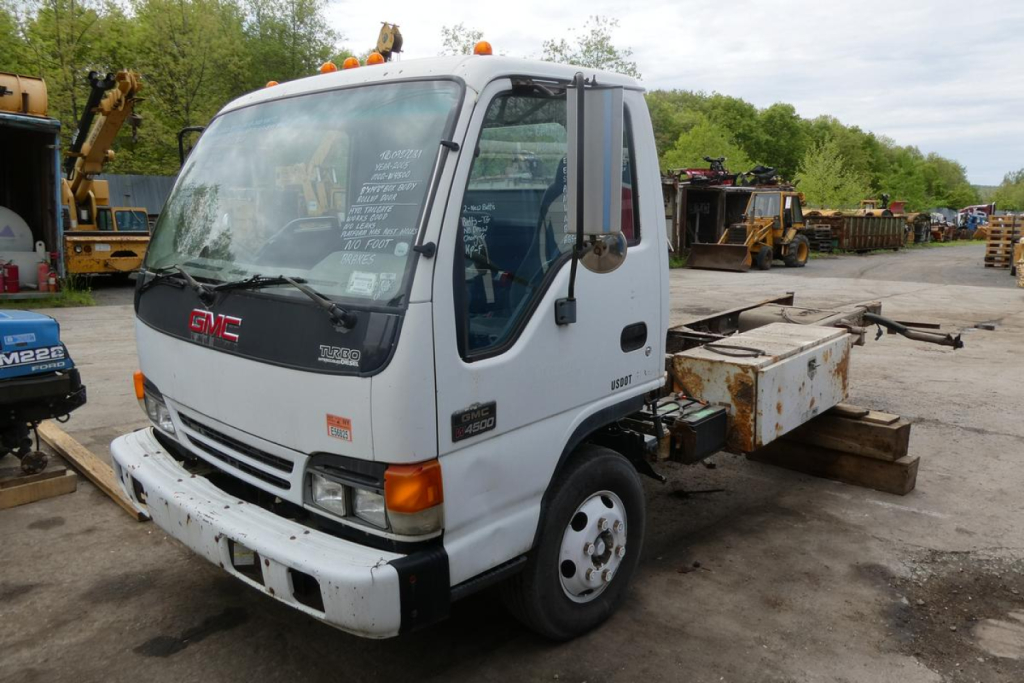
Have used gmc cab and chassis truck to sell? List it here to reach thousands of buyers.
About Used GMC Cab and Chassis Trucks in New York
A used GMC cab and chassis can range from light-duty gas platforms to medium-duty diesel models such as the W-Series, which is also known as a low cab forward truck. These trucks are often chosen for tight turning radius, short overall length relative to cargo body size, and easier access in dense city streets. Common specs include hydraulic or air brake systems depending on class, spring suspension, single rear axle layouts, and automatic transmissions suited for stop-and-go operation. On diesel units, engine family, emissions equipment, and transmission compatibility should be checked closely, especially on older trucks where repair history and parts support matter as much as mileage.
The biggest buying mistake in this category is treating all chassis as equally upfit-ready. Frame condition, rear axle presence and rating, PTO capability, frame rail spacing, and remaining usable cab-to-end length all need to be verified before budgeting a body install. Buyers should also inspect rust on crossmembers, brake lines, spring hangers, and cab mounts, particularly in New York where road salt can shorten the life of vocational trucks. If the truck previously carried a box, reefer, utility body, or liftgate, look for drilled frame sections, wiring modifications, and any signs the prior upfit overloaded the chassis. A clean frame and correct dimensional layout usually add more real value than cosmetic appearance.
For buyers comparing used GMC cab and chassis trucks, the best match comes from aligning the truck's ratings and dimensions with the intended body and duty cycle. A lighter W4500-class truck may fit local delivery or service body use, while heavier chassis are better suited for more demanding payloads and equipment. Pay attention to front axle capacity, rear suspension rating, tire size, and turning radius if the truck will spend most of its time in borough traffic, alleys, loading docks, or construction access points. A good used cab and chassis is not just a truck with an empty frame. It is a platform that can accept the right body without compromising payload, drivability, or compliance.
Frequently Asked Questions
What should I check first on a used GMC cab and chassis truck?
Start with cab-to-axle length, wheelbase, GVWR, and frame condition. Those four items determine what body can be installed and whether the truck can legally and safely carry the intended load. On used units, frame rust, prior body-mount holes, crossmember condition, and brake system health are often more important than cab cosmetics because they directly affect upfit cost and service life.
Are GMC W-Series cab and chassis trucks good for city delivery work?
Yes, many GMC W-Series models are well suited for city delivery because their low cab forward design gives them a tight turning radius and allows more body length on a shorter overall chassis. That layout is useful in dense urban areas, tight loading zones, and older industrial streets. Buyers should still confirm front axle rating, brake type, and cab-to-axle dimensions to make sure the truck matches the body and payload required.
How do I know what body will fit a GMC cab and chassis?
The key measurements are cab-to-axle, cab-to-end, wheelbase, and frame rail specifications. Body manufacturers and installers use these dimensions, along with axle ratings and intended load distribution, to determine fitment. A truck may look suitable at a glance but still require expensive frame modification, relocation of components, or suspension changes if the dimensions are wrong for the planned upfit.
Is rust a major concern on used cab and chassis trucks in New York?
Yes, rust is a major concern because vocational trucks often spend years exposed to salt, moisture, and heavy-duty use. Buyers should inspect frame rails, spring mounts, brake lines, fuel and DEF mounting areas if equipped, and the underside of the cab. Surface rust is common, but scaling, perforation, or weakened mounting points can turn an otherwise affordable chassis into an expensive rebuild.
What is the difference between buying a cab and chassis and buying a complete truck body?
A cab and chassis gives the buyer flexibility to install the body that fits the operation, such as a box, utility body, dump body, or flatbed. A complete truck body may be faster to put to work, but it can limit flexibility if the existing upfit does not match the job. Cab and chassis trucks are often the better choice when body dimensions, equipment layout, or vocational requirements are specific.