
GMC Cab and Chassis Trucks For Sale in New York
Browse GMC cab and chassis trucks for sale in New York. Compare wheelbases, GVWR, cab layouts, and body-ready specs for upfit work.
Learn more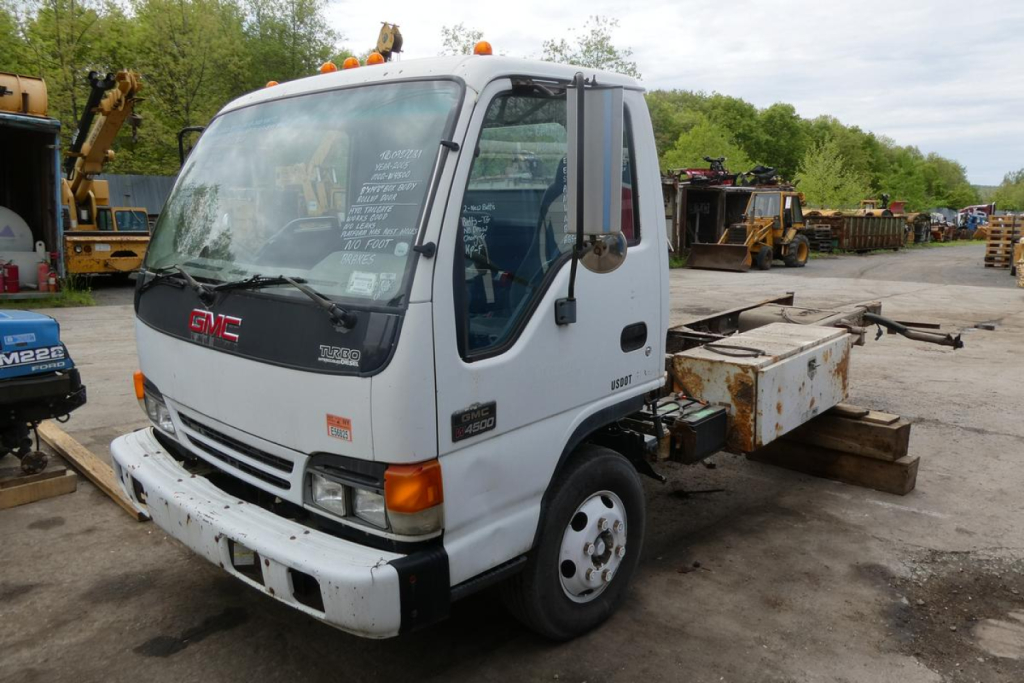
Have gmc cab and chassis truck to sell? List it here to reach thousands of buyers.
About GMC Cab and Chassis Trucks in New York
The first decisions usually come down to size, frame length, and intended payload. On GMC cab and chassis models, buyers should pay close attention to GVWR, front and rear axle ratings, suspension type, and frame dimensions because those numbers determine what body can be installed and how the truck will carry weight. Cab-to-axle and cab-to-end-of-frame measurements matter just as much as engine output. If the truck is being used for a dump, landscape body, municipal setup, or contractor flatbed, fitment and weight distribution are more important than a long list of comfort features. Buyers in New York often also look at rust exposure, frame condition, brake and fuel line condition, and whether the chassis has already been drilled or modified for prior equipment.
Older GMC cab and chassis trucks can appeal to buyers looking for a simpler platform with mechanical drivetrains and fewer electronic systems, while newer units typically offer better diagnostics, improved braking systems, and more upfit integration options. Depending on class and era, common spec points include gas or diesel engines, automatic or manual transmissions, single rear wheel or dual rear wheel layouts, and regular, extended, or crew cab configurations. If the truck will spend time in city service, turning radius, visibility, and PTO compatibility may matter more than highway gearing. For regional contractor work, buyers often compare wheelbase, rear gear ratio, and spring capacity to make sure the truck can handle the body and still stay practical in tight jobsite conditions.
A GMC cab and chassis truck is best evaluated as a foundation. The right truck is the one with the correct frame for the upfit, enough axle and suspension capacity for the finished build, and a powertrain suited to the duty cycle. Buyers comparing listings should focus on chassis measurements, body-mounting potential, service history, and signs of commercial use or corrosion. That approach usually tells more than paint, trim, or badge details, especially in a work-truck category where the value is in the platform and what it can become.
Frequently Asked Questions
What is a GMC cab and chassis truck?
A GMC cab and chassis truck is a truck sold with the cab, frame, engine, drivetrain, and axles in place, but without a factory-installed rear body. It is designed to be upfitted with vocational equipment such as a flatbed, dump body, service body, utility body, box, or stake body. Buyers choose this configuration when they need a work truck tailored to a specific application rather than a pickup bed or prebuilt body.
What measurements matter most when buying a GMC cab and chassis?
The most important measurements are wheelbase, cab-to-axle, cab-to-end-of-frame, and overall frame length. These dimensions determine what size body can be installed and how the finished truck will balance its load across the axles. GVWR, front and rear axle ratings, and frame section strength are also critical because they affect payload capacity and body compatibility.
Are older GMC cab and chassis trucks still good work platforms?
Older GMC cab and chassis trucks can still be useful for farm, contractor, municipal, or light commercial work if the frame, suspension, drivetrain, and brake systems are sound. Many buyers like older units because they are mechanically simpler and easier to service. The main concern is condition, especially in New York, where rust, corrosion, and prior upfit modifications can have a major effect on long-term value and safety.
What should New York buyers check on a used GMC cab and chassis truck?
New York buyers should closely inspect the frame rails, crossmembers, spring hangers, cab mounts, brake lines, fuel lines, and electrical connections for rust or repair history. It is also important to check whether the chassis was previously upfitted, where holes were drilled in the frame, and whether any removed body equipment affected structural integrity. A clean title, consistent service records, and clear axle and GVWR tags help confirm the truck is suitable for another build.
What jobs are GMC cab and chassis trucks commonly used for?
GMC cab and chassis trucks are commonly used for dump bodies, utility service trucks, contractor flatbeds, stake beds, landscape trucks, tow setups, refrigerated boxes, and municipal applications. The platform works well anywhere a buyer needs a purpose-built truck body matched to a specific payload, equipment package, or operating route. That flexibility is the main reason cab and chassis trucks remain a strong vocational choice.