
Used Freightliner Cab and Chassis Trucks For Sale in California
Shop used Freightliner cab and chassis trucks in California. Compare wheelbases, engine options, GVWR, axle setups, and upfit readiness.
Learn more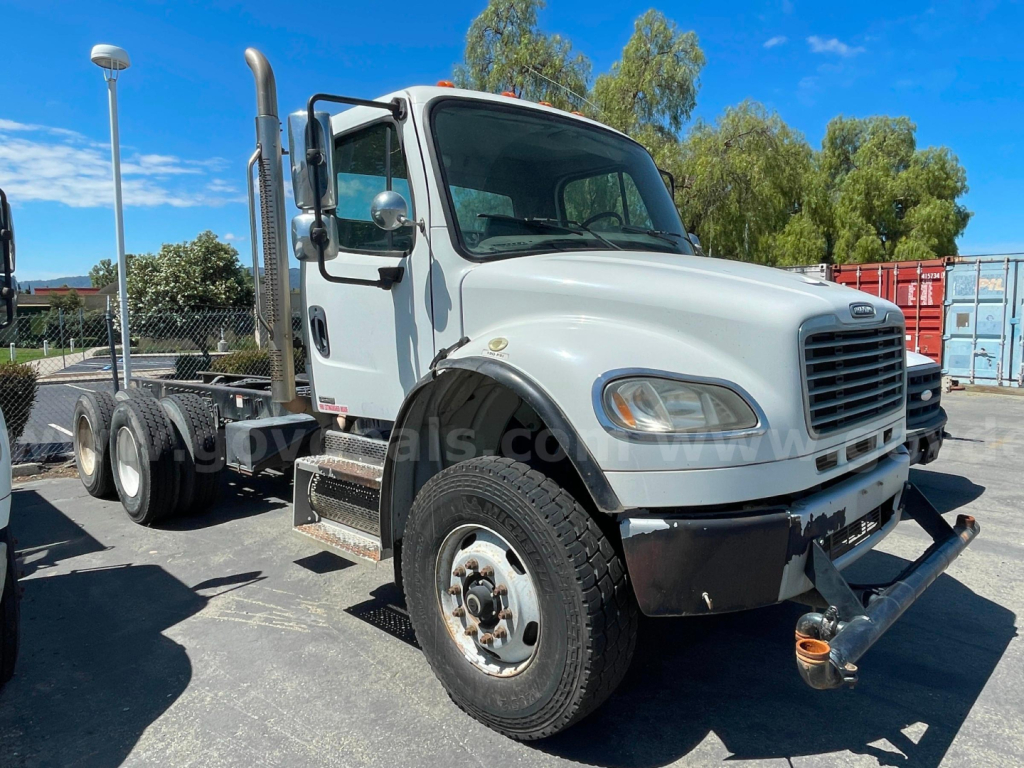

Have used freightliner cab and chassis truck to sell? List it here to reach thousands of buyers.
About Used Freightliner Cab and Chassis Trucks in California
For buyers comparing used units, wheelbase and cab-to-axle dimensions should be near the top of the checklist because they determine what body can actually be installed without costly frame work. Typical configurations range from single-axle medium-duty chassis for local delivery up to tandem-axle heavy-duty platforms for construction and municipal use. Common diesel engines in Freightliner cab and chassis trucks include Detroit and Cummins platforms, with Allison automatic transmissions frequently paired on vocational applications. Suspension type, front axle capacity, rear axle ratio, and brake spec all affect how the truck will perform once loaded. A truck that looks right on paper can still be a poor fit if the frame has been modified, drilled excessively, or shows corrosion, crack repairs, or hard vocational wear around spring hangers and crossmembers.
California buyers also need to pay close attention to CARB requirements, aftertreatment condition, and registration history. On used Freightliner chassis, DPF, DEF, SCR, and EGR systems can be the difference between a useful work truck and a downtime project. It is worth confirming idle hours, maintenance records, fault history, and whether the truck has been operating in local stop-and-go duty or steady highway service. A clean used chassis with the correct emissions label, working aftertreatment, and documented service often has more value than a lower-priced truck that needs immediate emissions or electrical repairs. If the truck is being purchased for an upfit, buyers should also inspect frame rail spacing, rear overhang, fuel tank placement, exhaust routing, battery box location, and any existing body-mount hardware that could complicate installation.
Freightliner remains a strong choice in this category because parts support is broad, service networks are established, and the chassis lineup covers everything from city delivery to severe-duty vocational work. The best used Freightliner cab and chassis truck is the one that matches the planned body length, payload, duty cycle, and California compliance requirements without major rework. Buyers who focus on wheelbase, axle specs, powertrain pairing, frame integrity, and emissions readiness usually end up with a truck that can be upfitted faster and put to work with fewer surprises.
Frequently Asked Questions
What should I check first on a used Freightliner cab and chassis truck?
Start with the dimensions and structure. Wheelbase, cab-to-axle, frame rail condition, axle ratings, and suspension specs determine whether the truck can accept the body you plan to install. After that, review engine hours, transmission type, PTO provisions, brake system, and signs of frame modifications or damage. On a used truck, fitment and structural integrity usually matter more than cosmetics.
Are used Freightliner cab and chassis trucks good for upfitting?
Yes, Freightliner chassis are widely used for upfits because they are available in medium-duty and heavy-duty configurations and are commonly supported by body builders. They are frequently used for box trucks, flatbeds, dump bodies, service trucks, utility bodies, and towing applications. The key is making sure the existing wheelbase, cab-to-axle measurement, frame layout, and component placement work with the intended body so the upfit does not require expensive modifications.
What Freightliner models are common in the cab and chassis category?
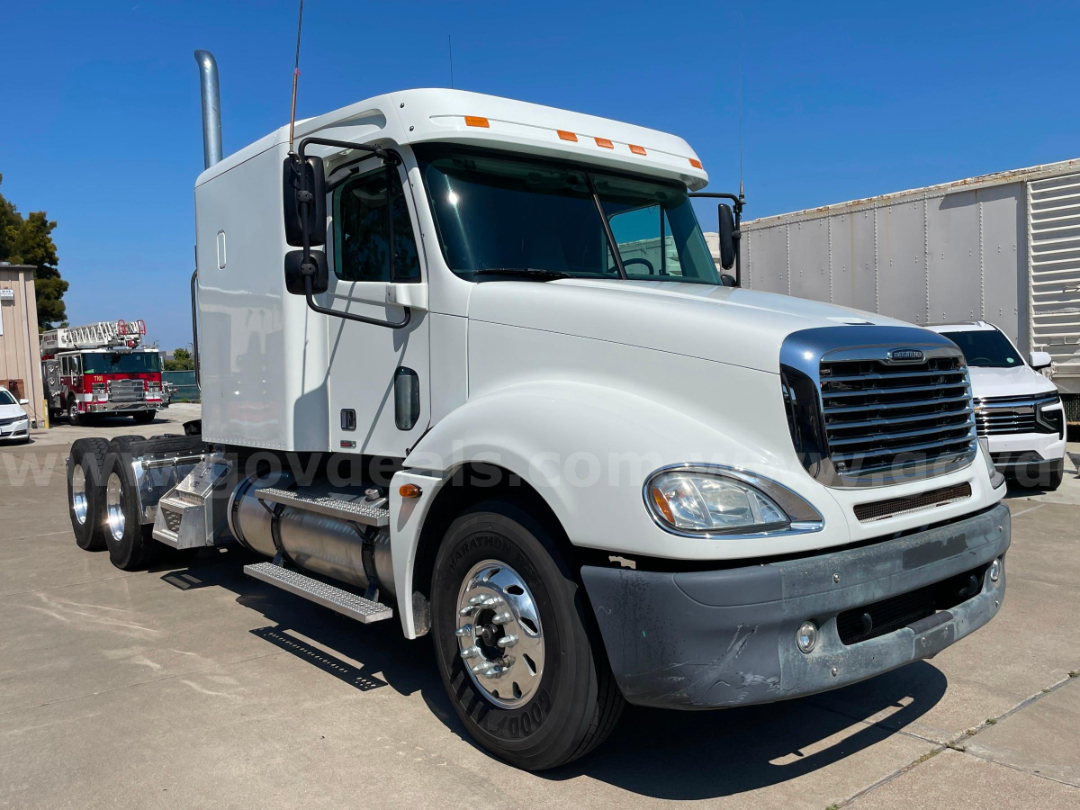
Common Freightliner models include the M2 106 and M2 112 for medium-duty and vocational work, along with 108SD and 114SD trucks for heavier or more demanding applications. Older Business Class models also appear on the used market. Some day cab tractors are marketed in this category when they are being repurposed for specialized chassis work, but buyers should verify the truck was configured appropriately for the intended body and payload.
Why is California emissions compliance so important on a used chassis?
California compliance can directly affect registration, jobsite eligibility, and operating costs. Buyers should verify CARB-related requirements, emissions label information, and the condition of the DPF, DEF, SCR, and EGR systems. A truck with unresolved aftertreatment faults may still run, but it can create derates, downtime, and repair bills that erase any upfront savings. Service records and active fault code checks are especially important in this state.
How do I know if a used Freightliner chassis has the right capacity for my application?
Match the truck's GVWR, front and rear axle ratings, suspension capacity, tire ratings, and brake specifications to the finished weight of the body, equipment, payload, and any trailer requirements. A service body with tools, a dump body hauling aggregate, and a delivery box with a liftgate all create different weight distributions. Buyers should calculate the fully equipped operating weight instead of relying only on the base chassis rating.