
Crane Carrier Cab and Chassis Trucks For Sale in New York
Crane Carrier cab and chassis trucks are built for severe-duty upfits, with heavy axles, vocational frames, and layouts suited for municipal work.
Learn more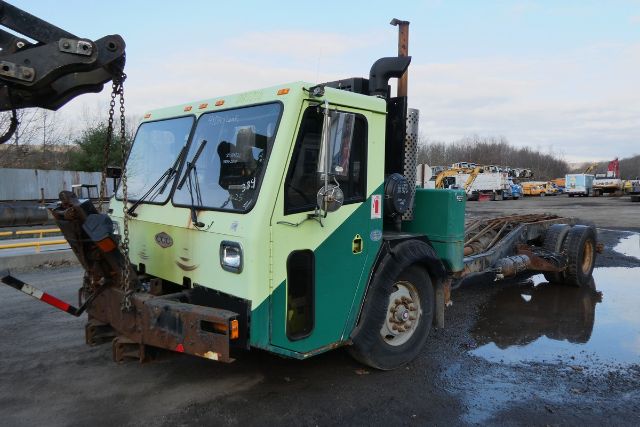
Have crane carrier cab and chassis truck to sell? List it here to reach thousands of buyers.
About Crane Carrier Cab and Chassis Trucks in New York
The main buying decision starts with frame layout and axle ratings. Common specs on a Crane Carrier cab and chassis include heavy front axles, tandem rear axles, vocational suspensions, and wheelbases set up for body builders rather than general freight use. Cab-to-axle and cab-to-end dimensions are critical because they determine what body length and equipment package will fit without compromising weight distribution. Many units use Cummins diesel engines paired with Allison automatic transmissions, a common combination for stop-and-go work and PTO operation. Buyers should also look closely at rear axle ratio, suspension type, and steering axle capacity, especially if the truck will carry a front-mounted attachment, a high-center-of-gravity body, or a liquid load.
Crane Carrier trucks are also known for configurations that support dual controls, low-entry or specialized cab layouts, and severe-duty components that stand up to repetitive route work. On used units, condition matters more than odometer alone. Engine hours, PTO engagement history, transmission condition, frame corrosion, hydraulic integration points, and evidence of previous body mounting all deserve a close inspection. In New York and other rust-belt markets, pay particular attention to crossmembers, spring hangers, brake and air system corrosion, wiring repairs, and the condition of the cab floor and body mounting surfaces. A clean chassis with the right wheelbase and axle package can save substantial time and money during the upfit process.
For buyers comparing listings, the best Crane Carrier cab and chassis truck is the one that matches the intended body, target payload, and duty cycle. A refuse or sewer application may need a heavier front axle, higher GVWR, and robust cooling and PTO provisions, while a utility or tanker build may place more emphasis on frame space, balance, and legal bridge compliance. Looking beyond basic horsepower and focusing on chassis measurements, suspension design, transmission model, and upfit compatibility will usually lead to a better long-term purchase.
Frequently Asked Questions
What is a Crane Carrier cab and chassis truck typically used for?
A Crane Carrier cab and chassis truck is typically used as a base for severe-duty vocational bodies such as refuse packers, vacuum trucks, sewer cleaners, tankers, dump bodies, and municipal service equipment. The chassis is built to handle high-GVW work, PTO-driven systems, and repeated stop-and-go duty cycles. That makes it a common choice for city fleets, contractors, and utility operators that need a truck engineered around specialized equipment rather than a standard on-highway body.
What specs matter most when buying a used Crane Carrier cab and chassis?
The most important specs are wheelbase, cab-to-axle, cab-to-end, front and rear axle ratings, GVWR, suspension type, transmission model, and rear axle ratio. These measurements and ratings determine whether the chassis can accept the body you plan to install and whether it will carry the load legally and safely. Buyers should also confirm engine make and horsepower, PTO compatibility, frame type, and any drop-frame or specialty chassis design that may affect body mounting.
Are Crane Carrier cab and chassis trucks good for municipal and refuse applications?
Yes. Crane Carrier has a strong reputation in municipal and refuse service because these chassis are commonly built for demanding route work, heavy body installations, and frequent PTO use. Many configurations prioritize maneuverability, durability, and body-builder compatibility over highway speed. Features such as heavy front axles, vocational suspensions, automatic transmissions, and specialized cab layouts make them well suited for sanitation, sewer, and public works operations.
What should buyers inspect on a used Crane Carrier chassis in New York?
In New York, rust and corrosion should be near the top of the inspection list. Buyers should examine the frame rails, crossmembers, suspension mounts, brake components, air tanks, wiring, hydraulic lines, and body mounting points for corrosion or repairs. It is also important to check for damage from previous upfits, verify that PTO and transmission components function correctly, and review engine hours in addition to mileage. Severe-duty trucks often accumulate wear through idle time and equipment operation rather than highway miles alone.
Why do cab-to-axle and wheelbase measurements matter on a cab and chassis truck?
Cab-to-axle and wheelbase measurements matter because they directly affect body fit, weight distribution, and turning characteristics. A chassis with the wrong dimensions may require expensive modifications or may not properly support the intended equipment. Correct measurements help ensure that the installed body clears the cab, places weight on the axles correctly, and meets operational and legal requirements for the job.