
Used CCC Cab and Chassis Trucks For Sale
Have used ccc cab and chassis truck to sell? List it here to reach thousands of buyers.
Used CCC Cab and Chassis Trucks
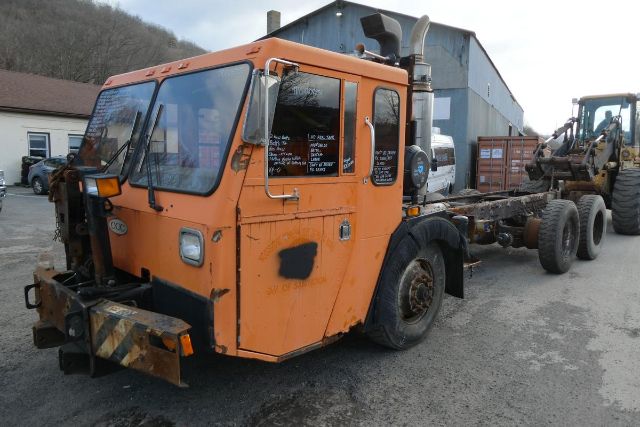
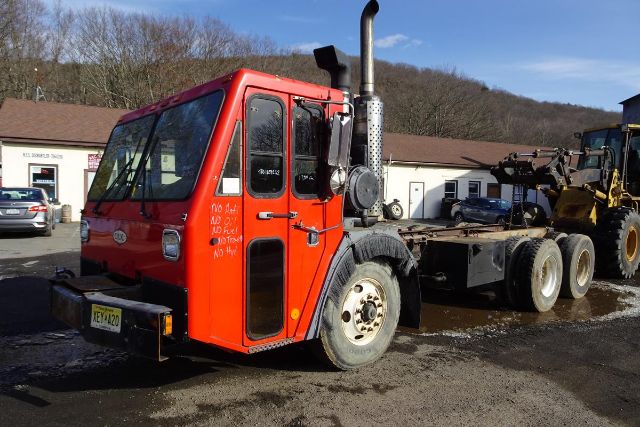
Most CCC cab and chassis trucks on the market are tandem-axle 6x4 units with diesel power, often Cummins ISL-series engines paired to Allison automatic transmissions. That combination is popular for stop-and-go duty, PTO compatibility, and easier operation in fleet environments. Front axle ratings around 20,000 pounds and rear ratings in the 46,000-pound range are common on heavier builds, along with rubber block suspensions from Hendrickson or similar severe-service setups. Gear ratios in the mid-5s are not unusual, especially on trucks intended for low-speed work, heavy starts, and route-based operation instead of sustained interstate cruising.
The condition review on a used cab and chassis is different from a complete truck because the value is in the platform and upfit potential. Check for double-frame or single-frame construction, rail spacing, crossmember condition, corrosion around body mounts, and any signs the chassis was previously drilled, stretched, shortened, or repurposed. Steering system leaks, missing fuel components, incomplete brake plumbing, and removed rear tires or body hardware are not rare on older vocational take-outs. Engine hours can matter as much as odometer miles, especially if the truck came from refuse, municipal, or airport service. If the truck does not run, buyers should still verify transmission model, rear axle spec, suspension type, and dimensional measurements before planning a build.
CCC cab and chassis trucks are often chosen for refuse packers, hooklift systems, water trucks, dump bodies, utility service bodies, and other specialized equipment where durability outweighs ride comfort. The right unit depends on intended body length, PTO needs, target gross weight, and how tight the route or jobsite will be. A shorter wheelbase improves maneuverability, while a longer cab-to-axle can open up more body options. For many buyers, the best used CCC chassis is the one with the correct frame, axle capacity, and drivetrain for the upfit, even if cosmetic condition is secondary.
Frequently Asked Questions about Used CCC Cab and Chassis Trucks
What are CCC cab and chassis trucks commonly used for?
CCC cab and chassis trucks are typically used as foundations for vocational upfits such as refuse bodies, hooklifts, dump bodies, water tanks, utility bodies, and municipal equipment. They are built for severe-duty service, so buyers usually see them in airport, sanitation, public works, and industrial fleet roles rather than long-haul freight applications. Their appeal is the heavy frame, high axle ratings, and compatibility with specialized body installations.
What specs matter most when buying a used CCC cab and chassis?
The key specs are wheelbase, cab-to-axle, cab-to-end, frame type, front and rear axle ratings, suspension, transmission, and rear axle ratio. Those numbers determine body fitment, finished weight distribution, and how the truck will perform in stop-and-go or heavy-load service. On vocational chassis, dimensional fit is often more important than appearance because the truck must match a specific body or equipment package.
Are Allison automatic transmissions common in CCC cab and chassis trucks?
Yes. Allison automatics are very common in CCC cab and chassis applications because they work well in repetitive route service, heavy starts, and PTO-driven vocational work. Many fleet operators prefer them for ease of driver training, smoother low-speed operation, and durability in municipal or refuse duty cycles. Buyers should still confirm the exact transmission series and PTO configuration before purchase.
Is mileage the best way to judge a used CCC vocational chassis?
Not always. Many CCC trucks spend their lives in low-speed, high-idle applications, so engine hours, service history, and the type of work performed can be more revealing than odometer miles alone. A truck used in refuse or municipal service may show modest mileage but still have extensive wear in steering, suspension, hydraulics support systems, and frame attachments. A full inspection should include drivetrain condition, frame integrity, and evidence of prior upfit modifications.
How do I know if a CCC cab and chassis will accept the body I need?
Start by matching the truck's wheelbase, cab-to-axle measurement, frame height, rail width, and axle capacity to the body manufacturer's requirements. Then verify PTO needs, transmission compatibility, and gross vehicle weight targets for the finished build. Buyers should also inspect for frame alterations, missing components, and mounting holes from previous bodies, since those details can affect both installation cost and structural suitability.