
CCC Cab and Chassis Trucks For Sale in New York
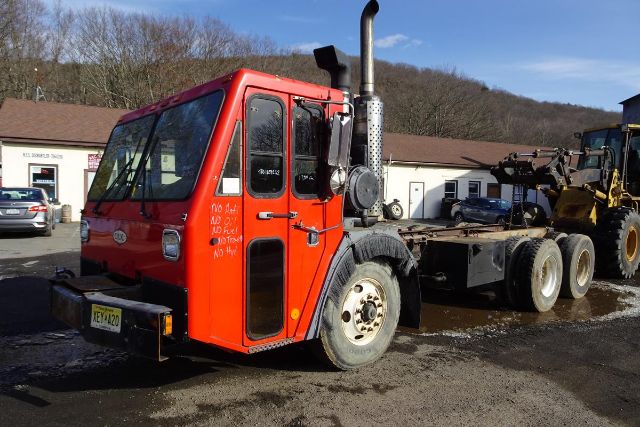
Browse CCC cab and chassis trucks for sale, including heavy-duty 6x4 platforms built for refuse, utility, municipal, and vocational upfits.
Learn more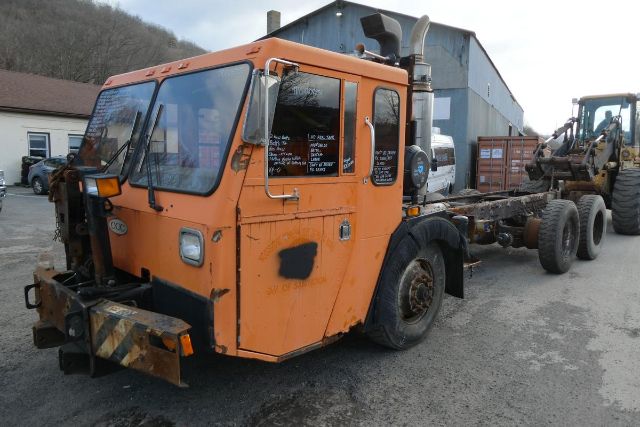
Have ccc cab and chassis truck to sell? List it here to reach thousands of buyers.
About CCC Cab and Chassis Trucks in New York
A typical CCC cab and chassis in this class is a tandem-axle 6x4 with diesel power from engines like the Cummins ISL in the 310 to 330 horsepower range, paired with an Allison automatic. That combination is common in stop-and-go vocational service because it is easy to operate, durable in urban duty cycles, and well suited to PTO-driven equipment. Rear axle ratings around 46,000 pounds, front axles near 20,000 pounds, rubber block suspension such as Hendrickson walking beam or V-Ride style setups, and deep ratios in the 5.25 to 5.43 range are all signs the truck was spec'd for low-speed pulling power and payload support rather than highway fuel economy.
The most important fitment numbers on a CCC cab and chassis are wheelbase, cab-to-axle, and cab-to-end. Those dimensions determine what body length the chassis can accept and where the center of gravity will land once equipped. Frame construction also matters. A double frame is desirable for many refuse, hoist, and heavy vocational applications, while a single frame may still work depending on body weight and duty cycle. Buyers should also confirm tire size, wheel type, PTO provisions, brake configuration, and any mounting hardware left from the prior body. On older municipal or refuse-spec trucks, it is smart to inspect for frame corrosion, rear suspension wear, steering leaks, transmission condition, and signs of hard packer or hoist service.
CCC cab and chassis trucks are best evaluated as upfit platforms. Engine hours, idle time, hydraulic use, and prior body application often tell more than mileage alone. A low-mile unit that spent years in refuse collection can have different wear patterns than a utility or municipal support truck. If the goal is a body swap, compare the existing axle spread, frame height, and CA dimension to the new body manufacturer's requirements before committing. For buyers who need a rugged vocational chassis with heavy-spec running gear and automatic transmission options, this category remains a practical choice for specialized work.
Frequently Asked Questions
What are CCC cab and chassis trucks commonly used for?
CCC cab and chassis trucks are commonly used for refuse bodies, roll-off systems, hooklifts, utility bodies, municipal service equipment, and other vocational upfits. They are designed as work platforms, so the chassis, axle ratings, and frame dimensions are usually selected to support a specific body and duty cycle rather than general freight hauling.
Why do cab-to-axle and wheelbase matter on a cab and chassis truck?
Cab-to-axle and wheelbase are critical because they determine what body can be installed and how weight will be distributed across the axles. A mismatch can create clearance issues, poor load balance, or non-compliant axle weights. Buyers planning a body transfer or new installation should match these dimensions to the body builder's published requirements before purchase.
Are Allison automatic transmissions common in CCC cab and chassis trucks?
Yes. Allison automatic transmissions are common on CCC cab and chassis trucks because they perform well in stop-and-go vocational service and work smoothly with PTO and hydraulic applications. They are especially popular in refuse and municipal operations where ease of operation, consistent shifting, and durability matter more than over-the-road cruising efficiency.
What suspension and axle specs should buyers look for on a CCC chassis?
Many CCC chassis are equipped with tandem rear axles rated around 46,000 pounds and heavy-duty rubber block suspension from manufacturers such as Hendrickson. Buyers should confirm front and rear axle ratings, axle ratio, suspension type, and frame construction to make sure the truck can legally and safely support the intended body, payload, and operating conditions.
Is mileage the best way to judge a used CCC cab and chassis truck?
Not by itself. On vocational trucks, mileage can be less important than engine hours, idle time, PTO use, and the type of work the chassis previously performed. A truck used in refuse collection or other severe stop-and-go service may show higher wear in steering, suspension, hydraulics, and transmission components even if the odometer is relatively low.