
GMC Bus Trucks For Sale in New York
Browse GMC bus trucks for sale, including shuttle and school bus configurations, with practical guidance on chassis, capacity, GVWR, and service use.
Learn more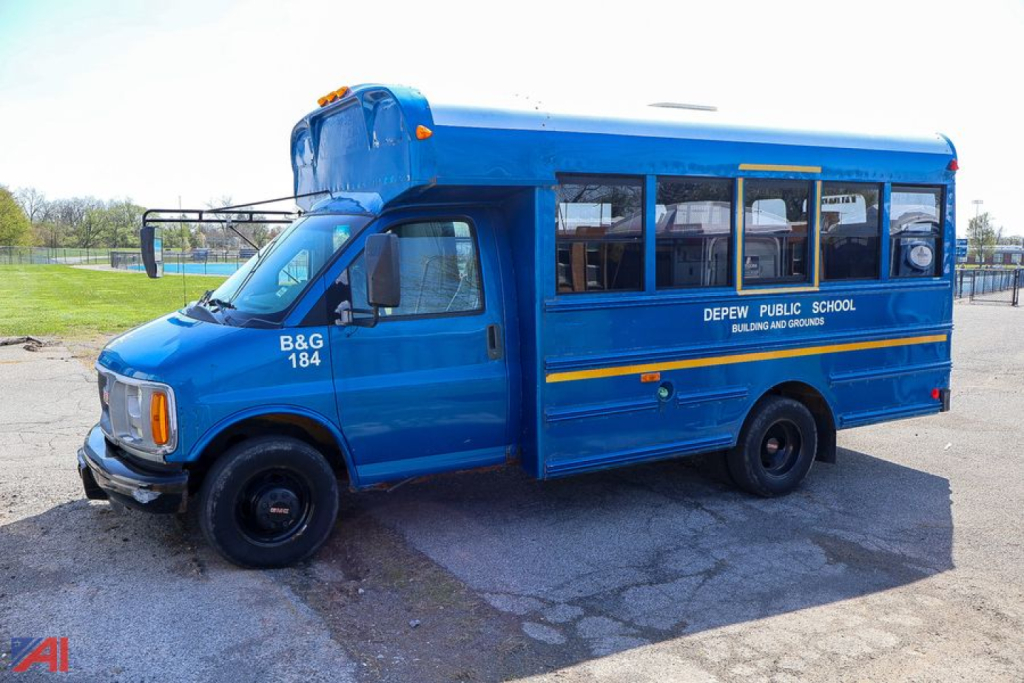
Have gmc bus truck to sell? List it here to reach thousands of buyers.
About GMC Bus Trucks in New York
A GMC bus built on a Savana cutaway chassis is typically easier to service than a full-size transit-style bus, and parts support is often more straightforward for fleets already running GM vans or light-duty trucks. Gasoline V8 engines are common on older units, while transmission condition, cooling system health, and rear axle ratio matter more in real-world use than headline horsepower. Buyers should also look closely at mileage versus idle time, seat mounting points, wheelchair lift operation if equipped, and signs of body or floor corrosion around stepwells, wheel housings, and lower side panels.
Body configuration matters as much as the chassis. School bus versions prioritize visibility, stop-and-go durability, and straightforward seating layouts, while shuttle buses may include higher roofs, luggage space, rear HVAC, and ADA access equipment. If the bus will run local routes, airport transfers, or institutional transport, check turning radius, overall length, and door clearance in tight urban loading areas. For private or commercial passenger use, it is also important to confirm title status, seating capacity, and any state-specific compliance requirements before purchase.
A good GMC bus truck fit comes down to matching route type, passenger load, and maintenance expectations. Shorter buses are easier to maneuver and park, but heavier passenger loads and added lift equipment can push axle and tire demands higher than many buyers expect. The most useful comparison points across listings are chassis series, engine and transmission combination, body manufacturer, seating layout, rust condition, and maintenance history. Those details tell you far more about long-term operating cost than model year alone.
Frequently Asked Questions
What types of GMC bus trucks are most common on the used market?
The most common GMC bus trucks are Savana-based cutaway buses used as school buses, shuttle buses, church buses, senior transport units, and small activity buses. These are typically built on a van-derived chassis with a commercial bus body added by a specialty manufacturer. That setup gives buyers a familiar GMC service platform while still offering higher passenger capacity than a standard van.
What should I inspect first on a used GMC bus in New York?
Rust should be near the top of the inspection list, especially on stepwells, floor supports, lower body panels, brake lines, and around wheel openings. In a bus application, buyers should also inspect door function, heater and defroster performance, emergency exits, seat attachment points, and any wheelchair lift system. A clean frame and solid floor structure usually matter more than cosmetic interior wear.
Is a GMC cutaway bus easier to maintain than a larger conventional bus?
In many fleets, yes. A GMC cutaway bus often uses drivetrain and front-end components that are more familiar to shops already servicing light-duty and medium-duty GM vehicles. Parts sourcing can be simpler, and the smaller chassis is generally easier to maneuver, diagnose, and repair than a full-size conventional or transit-style bus. The bus body itself still needs separate inspection because body systems, electrical accessories, and passenger equipment add their own maintenance demands.
How do I choose the right GMC bus size?
Start with actual passenger count, route length, and loading conditions instead of maximum advertised seating. A shorter bus may be the better choice for dense urban service, tight parking areas, or mixed-use property access, while a longer bus may be more efficient for recurring group transport. Buyers should also account for wheelchair positions, luggage needs, HVAC capacity, axle ratings, and how often the bus will operate at or near full load.