
Mack Box Trucks For Sale
Shop Mack box trucks built for dry freight, delivery, moving, and route work, with MD6 and MD7 specs, liftgate options, and GVWR insights.
Learn more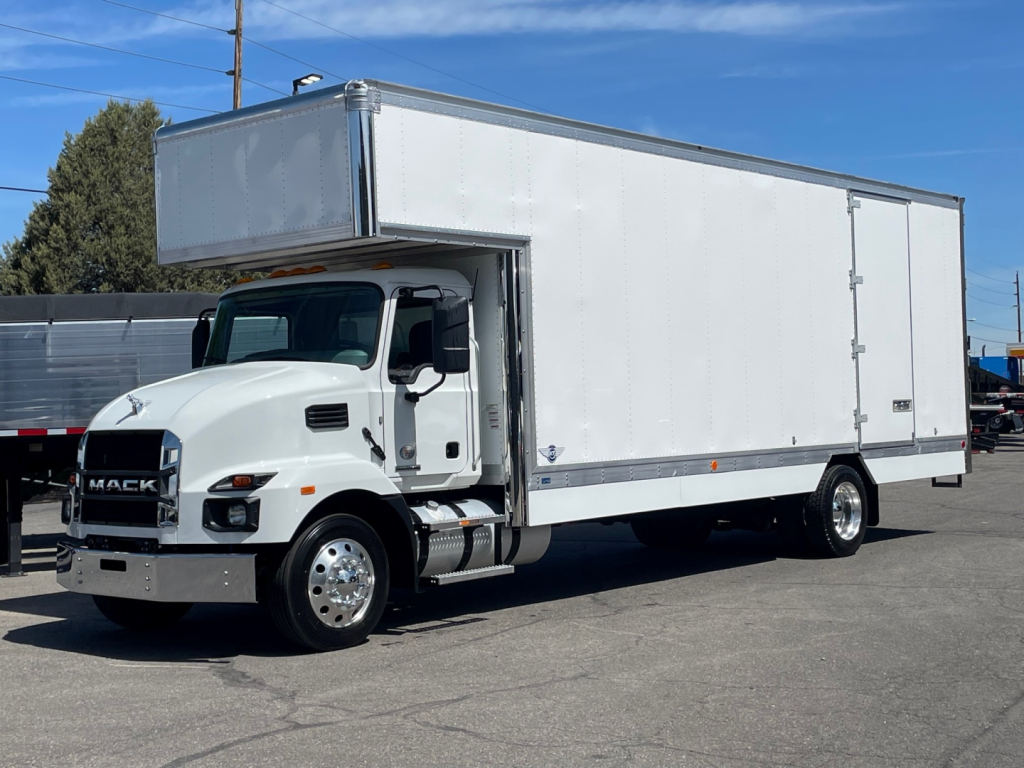
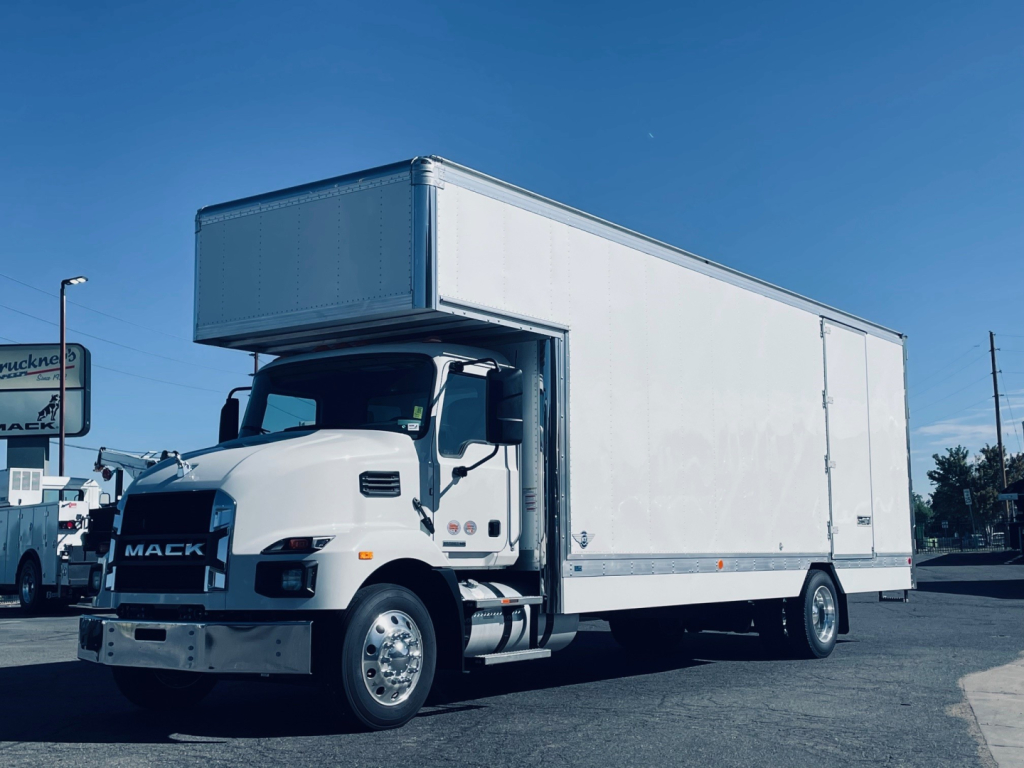
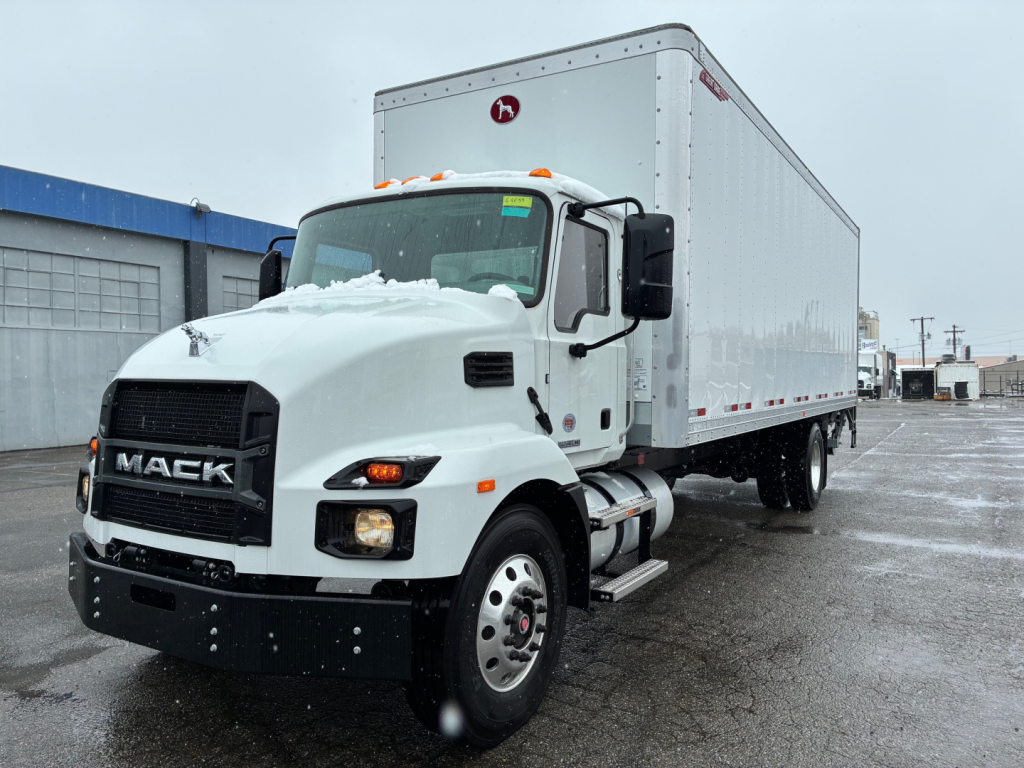
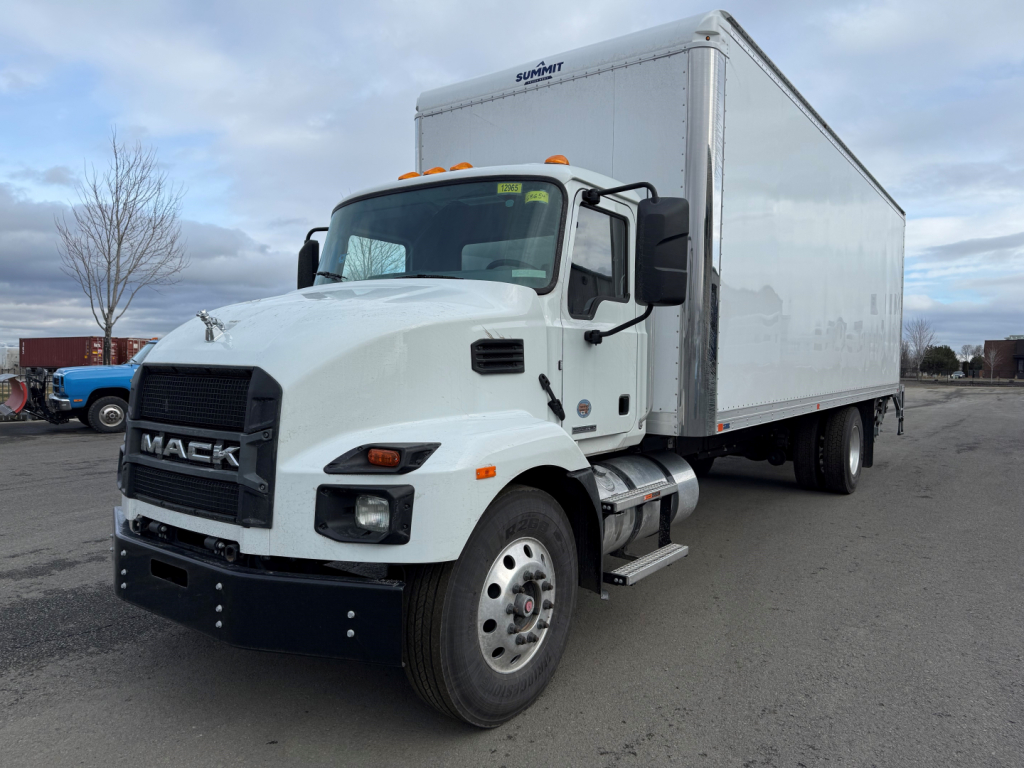
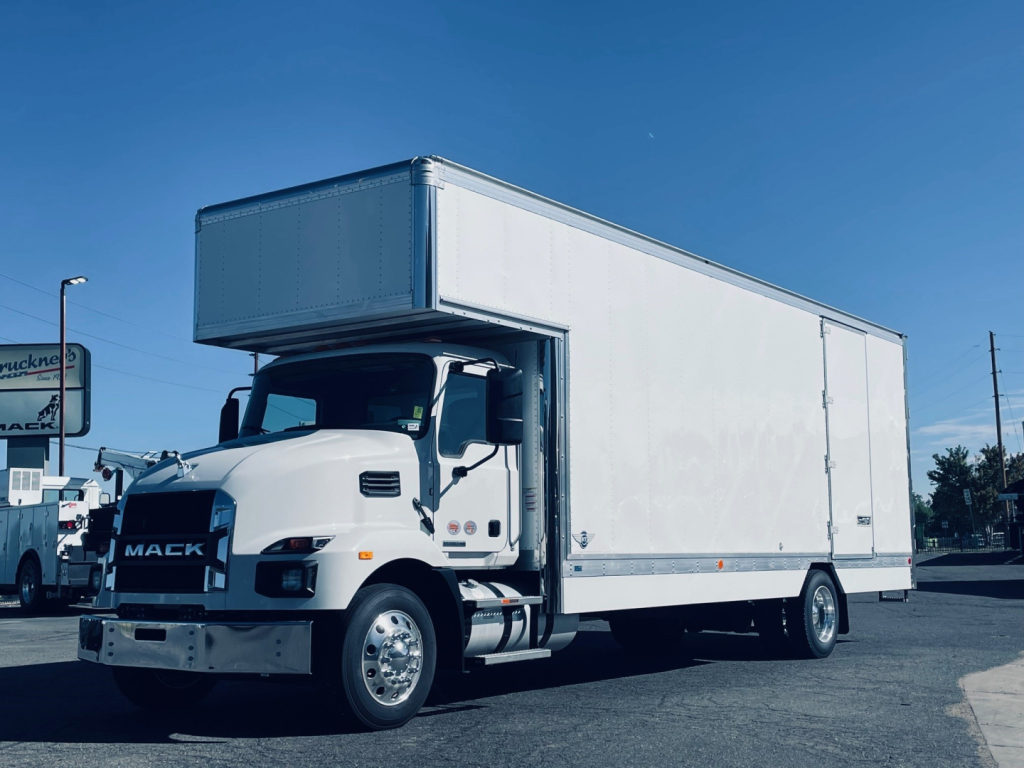
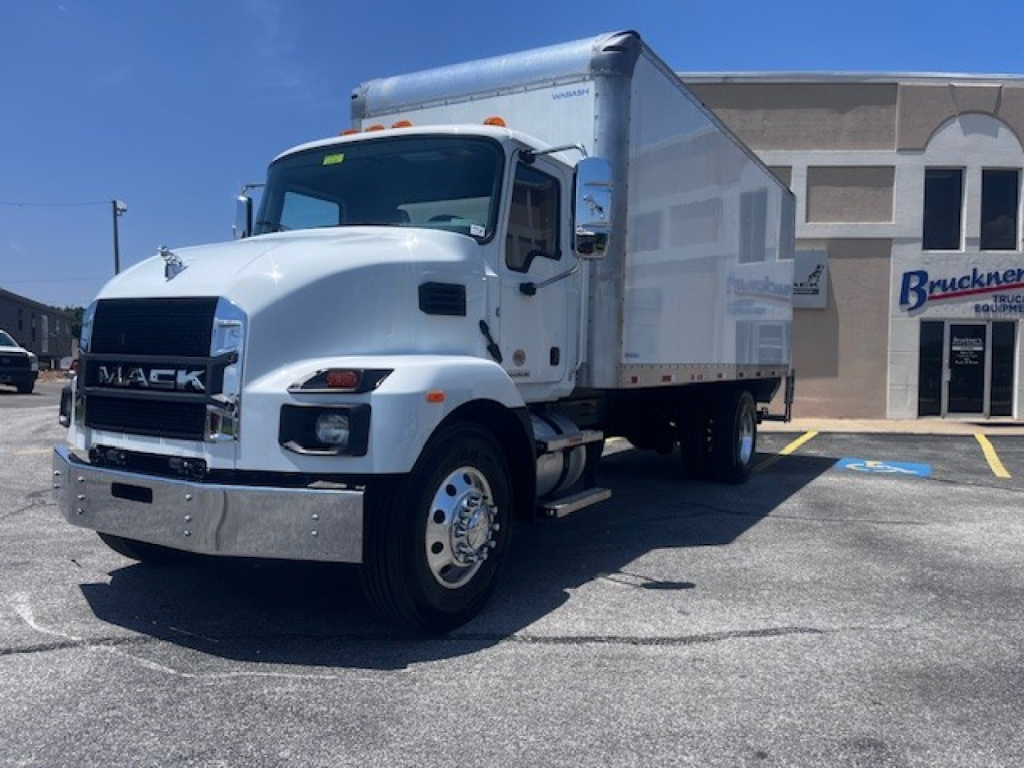
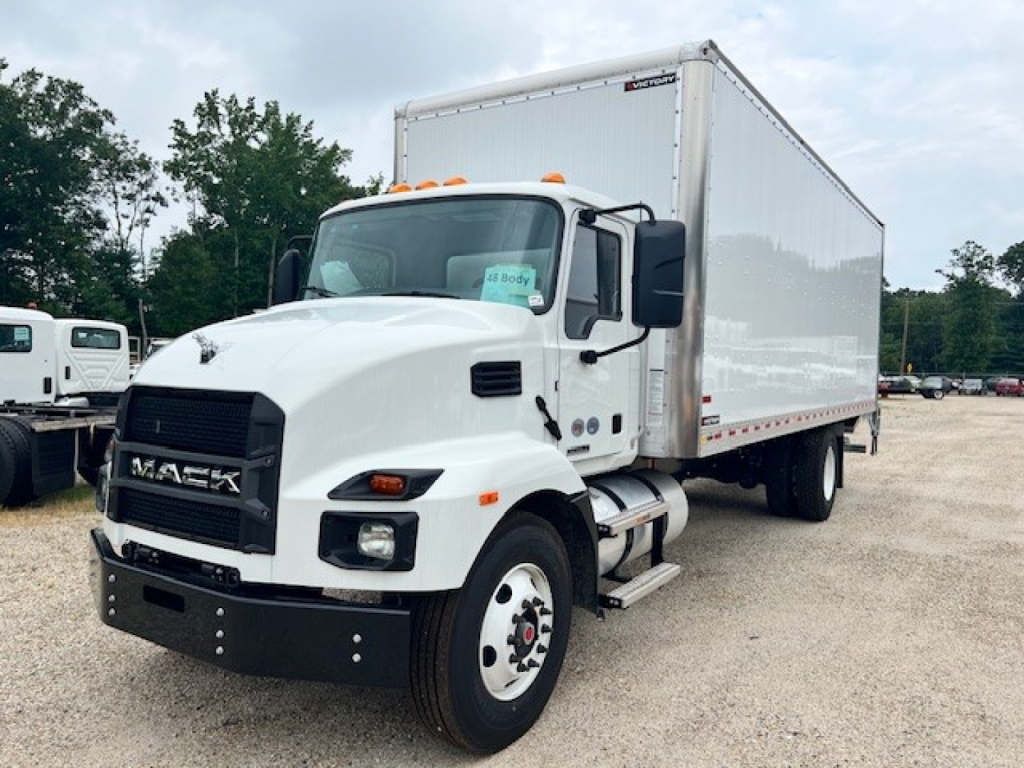
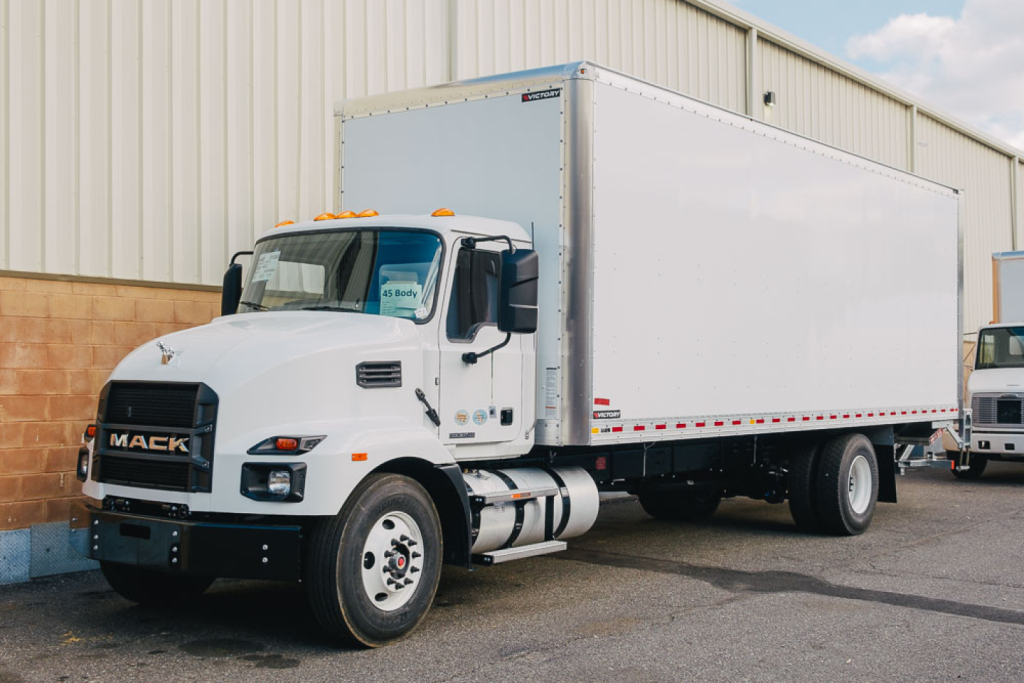
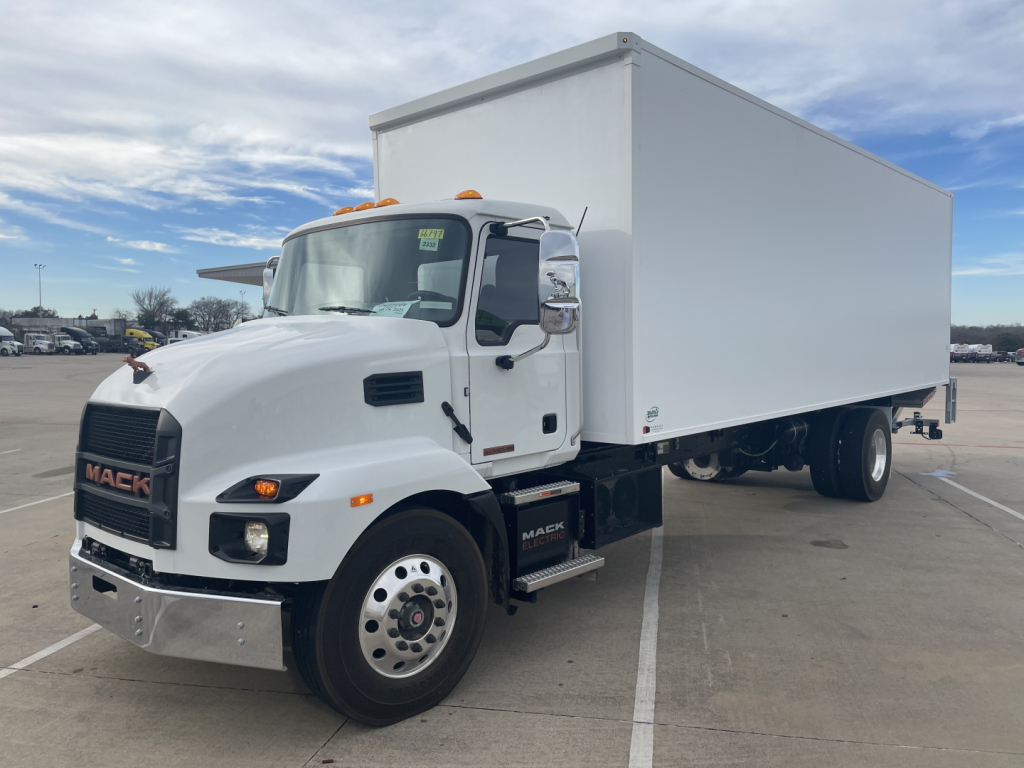
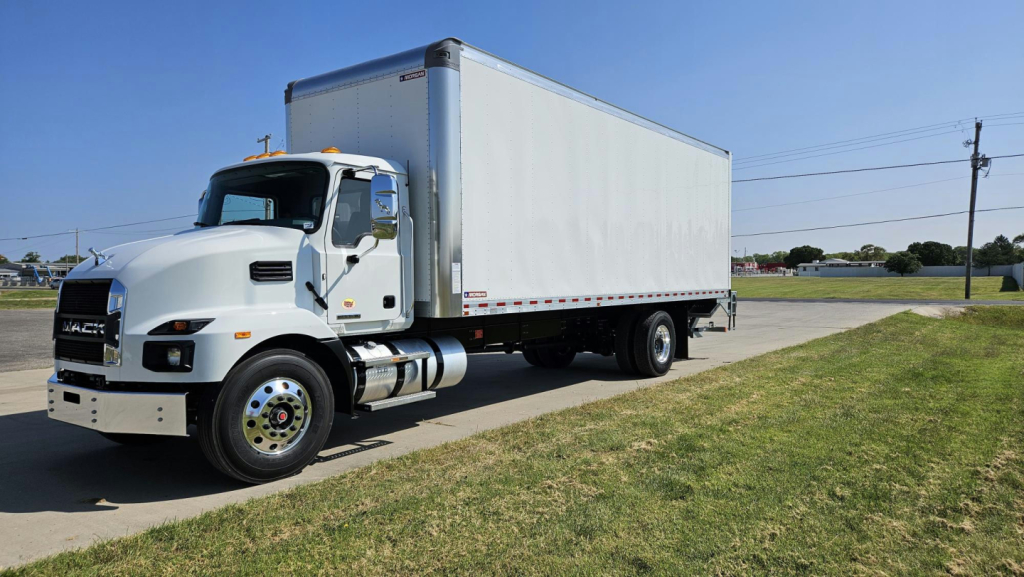
Showing 13 to 24 of 25 results
Have mack box truck to sell? List it here to reach thousands of buyers.
About Mack Box Trucks
A key buying decision is GVWR. Mack box trucks are often spec'd at 25,995 pounds for under-CDL operation or at 26,000 to 29,000 pounds when higher payload is more important. That single number affects driver qualification, route flexibility, and body choice. Front axles in the 10,000 pound range and rear axles from roughly 17,000 to 19,000 pounds are common, with spring or air rear suspension depending on ride and cargo sensitivity. For urban pickup and delivery, the Allison automatic and Cummins 6.7 liter platform are a proven combination because they are easy to operate, well supported in the market, and matched to stop-and-go duty cycles. Rear axle ratios around 5.57 are also common on this type of spec, prioritizing launch and city performance over highway speed.
Body details matter as much as the chassis. Many Mack box trucks in this class carry Morgan, Brown, Victory, or similar dry van bodies with 102-inch outside width, roll-up rear doors, hardwood or laminated floors, scuff liners, E-track, cargo slats, dome lighting, curbside doors, and bulkhead reinforcement. Liftgates are especially common, with 3,000 to 3,500 pound capacities from brands such as Waltco, Dhollandia, or Palfinger. Buyers moving palletized freight should look closely at floor ratings, crossmember spacing, forklift package reinforcement, and liftgate platform size. For appliance, office, or white-glove service, interior securement, side access, and low-effort rear entry can matter more than raw payload. Composite bodies can help with corrosion resistance and weight savings, while galvanized components and stainless rear frames are useful in wet or winter markets.
The Mack advantage in this segment is a straightforward cab, solid vocational feel, and a medium-duty chassis that fits demanding local service. Air brakes are common on heavier specs, and many trucks include practical features such as air ride driver seats, power windows and locks, and two-person passenger seating for crew or helper operations. When comparing listings, focus on actual body spec, liftgate condition, suspension type, axle ratings, and whether the truck is set up for under-CDL compliance or full 26K to 29K GVWR work. A Mack box truck that is well matched to the route can lower loading time, reduce driver fatigue, and handle daily dock, curb, and residential delivery cycles with less compromise.
Frequently Asked Questions
What is the difference between a Mack MD6 and Mack MD7 box truck?
The Mack MD6 is typically positioned in the lower medium-duty range, while the MD7 is commonly spec'd for heavier GVWR applications and higher payload demands. In box truck service, both can be fitted with similar dry van bodies and liftgates, but the MD7 is generally the better fit when axle capacity, suspension durability, or heavier daily freight is the priority. The right choice depends on your body length, target payload, and whether your routes are mostly residential delivery, dock freight, or denser urban work.
Can a Mack box truck be spec'd as an under-CDL truck?
Yes. Many Mack box trucks are built at 25,995 pounds GVWR to stay under the CDL threshold while still carrying a 26 foot van body. That setup is popular with delivery fleets, moving operations, and businesses that want broader driver eligibility. Buyers should still confirm actual door-sticker GVWR, body weight, liftgate weight, and usable payload because an under-CDL box truck can lose carrying capacity quickly once a full body and gate package are installed.
What engine and transmission are most common in Mack box trucks?
A very common combination is the Cummins 6.7 liter diesel paired with an Allison 2500 RDS 6-speed automatic transmission. This pairing is popular because it is well proven in medium-duty delivery service, easy for drivers to operate, and widely supported for parts and service. For stop-and-go city routes, it offers predictable shifting, solid low-speed response, and good compatibility with PTO and vocational body applications.
What should I check on a used Mack box truck besides mileage?
Mileage only tells part of the story. Buyers should inspect the van body condition, roof and corner integrity, floor wear, roll-up door operation, liftgate cycle function, and signs of water intrusion or wall damage. On the chassis side, check suspension type, brake setup, tire size and wear pattern, axle ratings, and service records for the engine and transmission. On delivery trucks, body abuse and liftgate condition often affect operating cost just as much as engine hours or odometer readings.
Are liftgates standard on Mack box trucks?
Liftgates are common but not universal. Many Mack box trucks used in freight delivery, beverage service, appliance routes, and final-mile logistics are equipped with tuck-under or rail-style liftgates rated around 3,000 to 3,500 pounds. The right gate depends on your freight type, dock access, and loading method. A fleet handling pallet jacks and heavier skids should pay close attention to platform dimensions, weight rating, and how the gate fits with rear door access and departure angle.