
Box Trucks For Sale in Indiana
Browse box trucks for sale in Indiana, including dry freight and delivery bodies with common GVWR, body lengths, and chassis options.
Learn more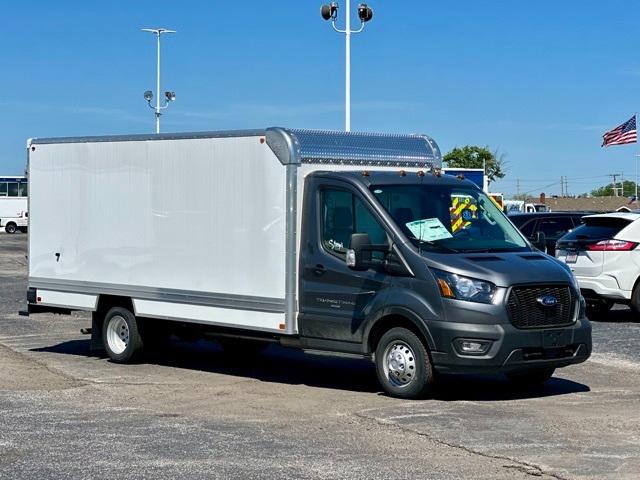
Have box truck to sell? List it here to reach thousands of buyers.
About Box Trucks in Indiana
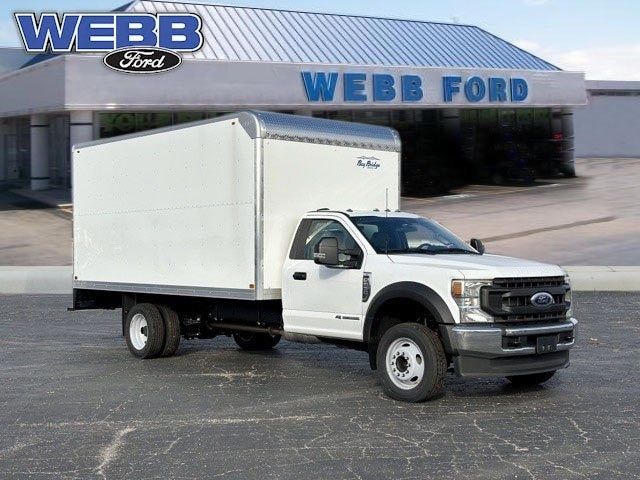
Body length, door configuration, and chassis spec matter more than brand decals. Common box lengths run from about 10 to 16 feet on cutaway vans and up to 26 feet on medium-duty cab chassis. A 16-foot body is a common sweet spot for local delivery because it balances cube, maneuverability, and dock access. Buyers should look closely at inside height, rear roll-up door opening, side access doors, floor material, scuff liners, E-track, load securement points, and liftgate capacity if palletized freight is part of the job. If the route includes frequent stops in tight urban areas, wheelbase, turning radius, and mirror visibility deserve as much attention as payload rating.
On the chassis side, gas engines are common in lighter box trucks, while diesel power is still favored in heavier GVWR classes where torque, durability, and fuel economy under load matter more. Transmission calibration, rear axle ratio, brake type, and tire size all affect drivability and operating cost. A Ford Transit 350 or similar cutaway can be a strong fit for courier and light commercial delivery, while an F-550 class truck with a 16-foot dry van body steps up capacity for denser freight and more demanding duty cycles. Indiana buyers running mixed city and highway miles should pay attention to cab comfort features, fuel tank size, cruise control, and service network access, since uptime matters more than small differences on the spec sheet.
The best box truck is the one matched to freight density, stop frequency, dock conditions, and driver requirements. A truck hauling bulky but light cargo needs cubic capacity before raw payload, while beverage, equipment, or paper routes may need higher GVWR, stronger floors, and liftgate support. Check for rust exposure on older Midwest units, inspect the box-to-chassis mounting points, and confirm that the rear frame, door tracks, roof seams, and floor crossmembers are sound. A well-spec'd box truck can serve as a delivery truck, moving truck, bakery truck, service body alternative, or mobile storage platform, so the right configuration has a direct effect on route efficiency and long-term operating cost.
Frequently Asked Questions
What GVWR should I choose for a box truck?
GVWR should be based on payload, cargo density, and whether you want to stay under the 26,001-lb CDL threshold. A 9,950-lb GVWR box truck is common for lighter local delivery work and can simplify driver qualification in many operations. Medium-duty box trucks in higher GVWR classes are better for heavier freight, larger bodies, and more demanding route cycles, but they add operating cost and may change licensing, registration, and compliance requirements.
What body length is best for a box truck?
The right body length depends on the type of freight and the delivery environment. A 12-foot to 16-foot box is popular for urban and suburban routes because it is easier to maneuver, park, and back into tighter docks or alleys. Longer 20-foot to 26-foot bodies increase cubic capacity and can improve route efficiency for bulky freight, but they require more room to turn, load, and stage at customer locations.
Are diesel or gas box trucks better?
Gas box trucks are often a good fit for lighter duty, lower annual mileage, and stop-and-go delivery where lower upfront cost matters. Diesel box trucks are typically preferred in heavier applications because they deliver stronger low-end torque, better performance under load, and long-term durability in medium-duty service. The better choice depends on payload, route length, idle time, maintenance planning, and the service support available in your area.
What features should I look for in a dry freight box body?
The most important body features are the ones that protect freight and speed up loading. Buyers should check floor construction, scuff liners, E-track or other cargo securement systems, rear roll-up door condition, side door access, interior dimensions, and roof seam integrity. If the truck will handle palletized freight or commercial deliveries without dock access, liftgate type and weight rating are critical.
What should Indiana buyers inspect on a used box truck?
Indiana buyers should pay close attention to rust and corrosion because Midwest road treatment can affect both the chassis and the box structure. Inspect the frame rails, crossmembers, suspension mounting points, brake lines, rear door hardware, floor condition, and box mounting system. It is also smart to look for water intrusion around roof seams and front wall corners, since hidden moisture damage can shorten body life and create cargo issues.