
Ford Box Trucks For Sale in Indiana
Shop Ford box trucks in Indiana, including Transit and F-550 models, with common specs, GVWR ranges, cargo body sizes, and buyer tips.
Learn more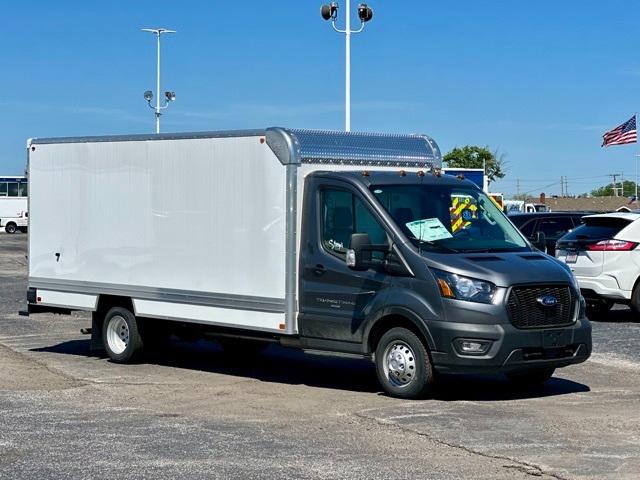
Have ford box truck to sell? List it here to reach thousands of buyers.
About Ford Box Trucks in Indiana
A Ford Transit box truck is typically built for urban and suburban delivery work where a lower GVWR, tighter turning radius, and easier driver entry help productivity. Common specs include a gasoline 3.5L EcoBoost engine, 10-speed automatic transmission, single rear axle, wheelbases around the high-170-inch range, and GVWR under 10,000 pounds on some builds. That can be important for fleets trying to avoid CDL requirements in certain applications, although actual licensing depends on total vehicle rating, use case, and local rules. Transit-based box trucks are often seen with 14-foot to 16-foot cargo bodies and are a practical match for parcel delivery, light furniture, bakery routes, floral, and service parts distribution.
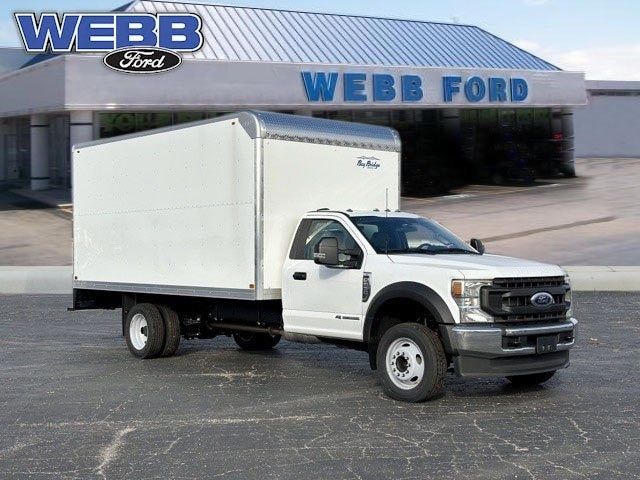
The Ford F-550 box truck sits in a different duty class and is commonly spec'd for heavier payloads and more demanding stop-and-go work. Typical configurations include a diesel Power Stroke engine, 4x2 chassis, 19.5-inch wheels, hydraulic brakes, and GVWR around 19,500 pounds. A 16-foot dry freight body is a very common setup, often paired with a roll-up rear door, wood or composite floor, E-track, and a tuck-under or rail liftgate depending on freight type. Buyers looking at F-550 units should pay close attention to rear axle rating, body manufacturer, door opening height, inside box height, and whether the truck was built for hand unloads, palletized freight, or route delivery with frequent dock stops.
The box itself matters as much as the cab and chassis. Dry freight bodies vary in wall construction, floor thickness, roof material, and cargo control features such as slats, tie rails, and scuff liners. For Indiana operations, corrosion exposure from winter road treatment makes underbody condition, crossmember coating, and rear frame integrity worth a close inspection. If the truck will run appliance, beverage, or route distribution, liftgate capacity and platform size should be matched to actual freight. If the work is contractor supply or expediting, focus on cubic capacity, payload after upfit weight, and how easily the body can be accessed from curbside and rear doors. On Ford box trucks, a buyer usually gets the best result by matching chassis class, box length, and loading method to the route, not just buying the biggest body available.
Frequently Asked Questions
What is the difference between a Ford Transit box truck and a Ford F-550 box truck?
A Ford Transit box truck is generally used for lighter-duty urban delivery where easy maneuvering, lower step-in height, and a lower GVWR are priorities. A Ford F-550 box truck is built for heavier payloads, larger commercial tires, and more demanding delivery cycles. The Transit is commonly chosen for parcel, light furniture, and service routes, while the F-550 is better suited for pallet freight, contractor supply, and applications that need more chassis capacity.
What box length is most common on Ford box trucks?
A 16-foot box is one of the most common configurations on both Ford Transit cutaway and Ford F-550 chassis builds, but the ideal length depends on payload and route density. Shorter bodies can improve maneuverability in tight city delivery environments, while longer bodies increase cubic capacity but may reduce dock flexibility and payload once body weight is factored in. Buyers should compare inside cube, door opening dimensions, and turning radius together rather than looking at length alone.
Do Ford box trucks require a CDL?
Some Ford box trucks do not require a CDL, especially lighter Transit-based units with GVWR below the 26,001-pound threshold. Many Ford F-550 box trucks are also below CDL weight limits, but CDL requirements can still depend on combined weight, passenger count, hazardous materials, and state or job-specific rules. The correct way to evaluate this is by checking the truck's GVWR and the actual operating use, not just the make or model.
What should buyers inspect on a used Ford box truck in Indiana?
Indiana buyers should inspect frame condition, underbody corrosion, brake wear, tire age, rear door hardware, and any signs of water intrusion in the box. On dry freight bodies, floor soft spots, wall damage, roof seam condition, and liftgate function are critical. On the chassis side, review engine hours if available, transmission behavior, steering play, suspension wear, and service records. Winter road exposure makes rust prevention and undercoating condition especially important in this market.
Is a diesel Ford F-550 better than a gas Ford Transit for delivery work?
The better choice depends on the load profile and route. A diesel Ford F-550 usually makes more sense for heavier payloads, longer service life under commercial duty, and jobs that regularly use liftgates or haul dense freight. A gas Ford Transit is often the better fit for lighter city delivery, frequent stops, easier driver access, and lower overall size. Matching the truck to the actual cargo weight and route pattern is more important than choosing diesel or gas by itself.