
Used Hino Box Trucks For Sale in Michigan
Browse used Hino box trucks in Michigan. Compare GVWR, body lengths, liftgates, diesel engines, and delivery-ready specs.
Learn more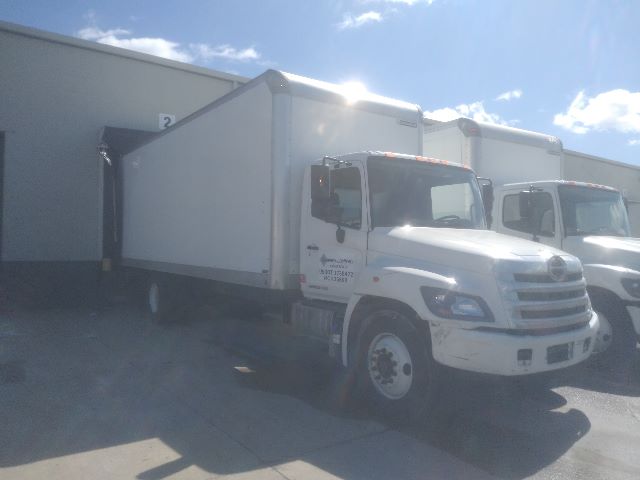
Have used hino box truck to sell? List it here to reach thousands of buyers.
About Used Hino Box Trucks in Michigan
A key buying point on a used Hino box truck is matching chassis capacity to the body already installed. Common box lengths range from about 16 to 26 feet, and that length affects turning radius, dock access, bridge laws, and usable payload. Buyers should verify GVWR, front and rear axle ratings, wheelbase, and body manufacturer, because two trucks with the same model badge can be set up very differently. Engine and transmission combinations matter too. Many Hino box trucks are equipped with diesel engines paired to Allison automatic transmissions, a popular setup for stop-and-go service because it is straightforward for mixed-driver fleets and well suited for P&D work.
On used units, condition details matter more than the badge on the hood. Check for corrosion on the frame, crossmembers, cab mounts, and underbody, particularly in Michigan where road salt can shorten body and chassis life. Inspect the box for roof leaks, soft flooring, damaged scuff liners, door frame fatigue, and liftgate wear if equipped. If the truck has a reefer body, review hours, service records, and insulation condition separately from the chassis. Cab comfort and visibility also matter on route trucks, so buyers often compare seating condition, step height, mirror setup, and the functionality of PTO-driven or electric accessories.
The right used Hino box truck usually comes down to route density, freight type, and loading method. A shorter wheelbase truck can be easier in tight city work, while a 24- to 26-foot body may improve cube for furniture, parcel, or appliance delivery. Fleets using palletized freight should confirm interior width, door opening height, and liftgate capacity before buying. Hino has long been a practical choice in medium-duty delivery service, and a well-maintained used unit can offer a solid balance of maneuverability, diesel durability, and body options for local and regional hauling.
Frequently Asked Questions
What are the most common Hino box truck models on the used market?
Common used Hino box truck models include the 258, 268, 268A, and 338. These medium-duty chassis are often upfitted with dry van bodies from roughly 16 to 26 feet. Exact capability depends on GVWR, axle ratings, wheelbase, and the body installed, so buyers should compare the complete truck specification rather than the model name alone.
What should I inspect on a used Hino box truck in Michigan?
In Michigan, rust inspection is critical. Pay close attention to the frame rails, crossmembers, suspension mounting points, cab corners, brake and fuel lines, and the underside of the box body. Buyers should also inspect the roof for leaks, the floor for soft spots or rot, the rear door opening for damage, and the liftgate for structural wear, hydraulic leaks, and proper operation.
Is a Hino box truck good for local delivery routes?
A Hino box truck is commonly used for local and regional delivery because it combines medium-duty payload capacity with good maneuverability and driver-friendly automatic transmission options. These trucks are often chosen for parcel, furniture, beverage, appliance, and general freight work where frequent stops, dock loading, and tight urban access are part of the job.
How do I choose the right box length on a used Hino truck?
Box length should match the freight and the route. A shorter body can be easier to maneuver in city traffic, alleys, and older industrial areas, while a longer 24- or 26-foot body can improve cubic capacity for lighter but bulkier freight. Buyers should also account for wheelbase, dock access, pallet count, rear overhang, and liftgate needs before deciding.
Are Allison automatic transmissions common in used Hino box trucks?
Yes. Many used Hino box trucks are equipped with Allison automatic transmissions, especially in pickup and delivery service. This setup is popular because it simplifies driver training, performs well in stop-and-go operation, and is widely accepted in mixed-driver commercial fleets that prioritize ease of use and route efficiency.