
Used Ford Box Trucks For Sale
Shop used Ford box trucks including E-350, E-450 and cutaway models with common specs, box sizes, GVWR ranges, and delivery features.
Learn more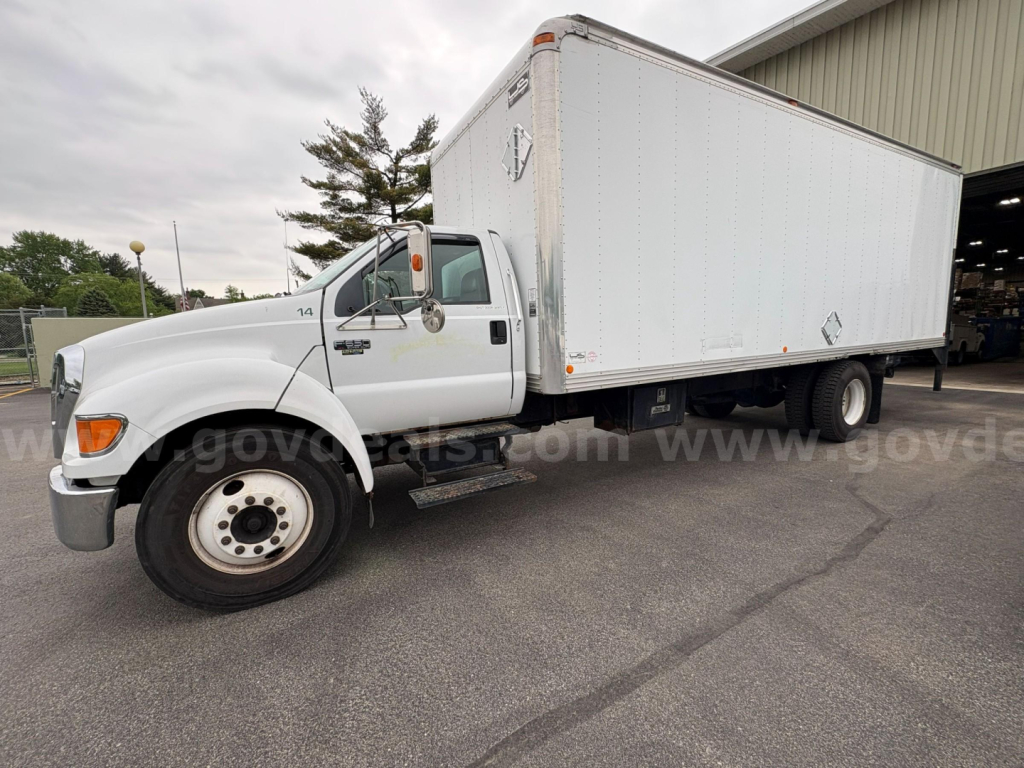
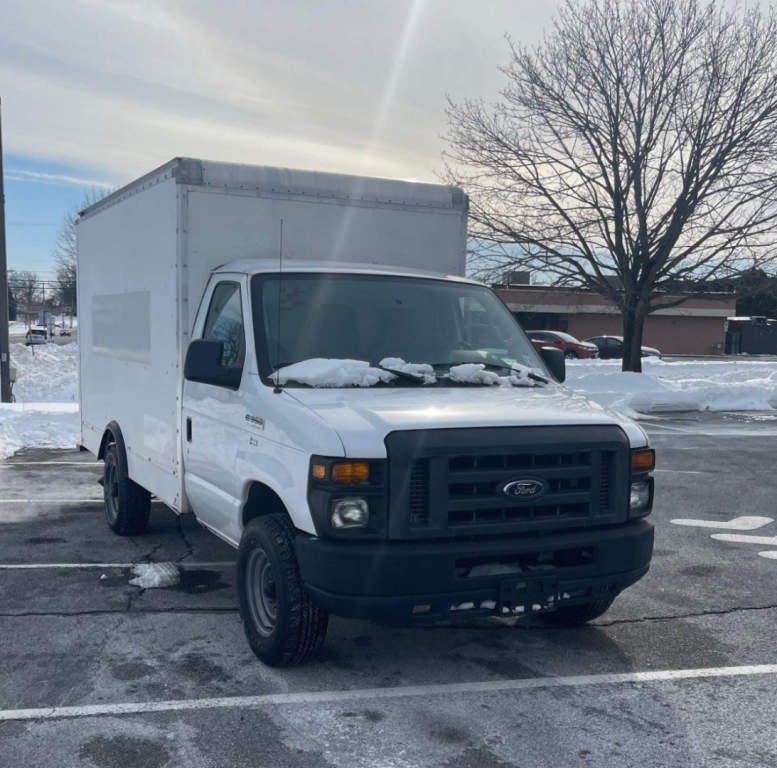

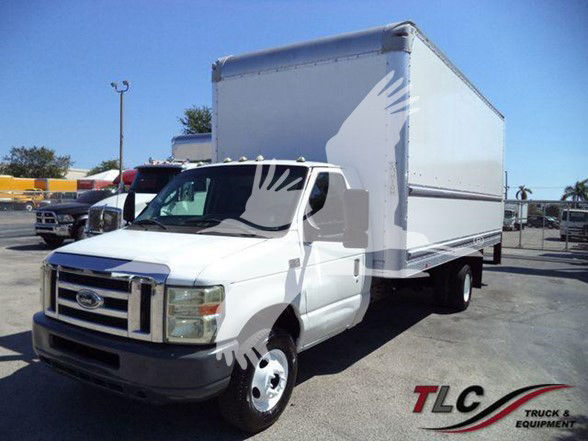
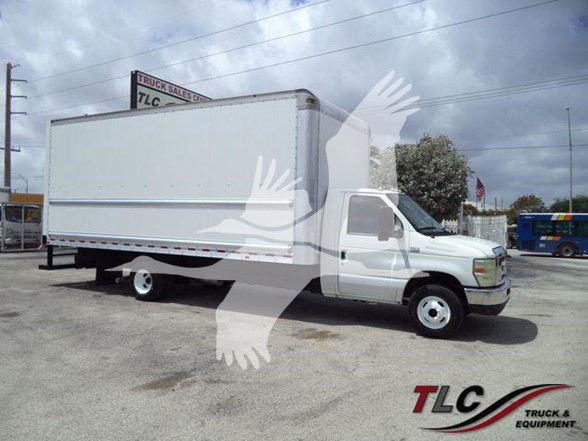
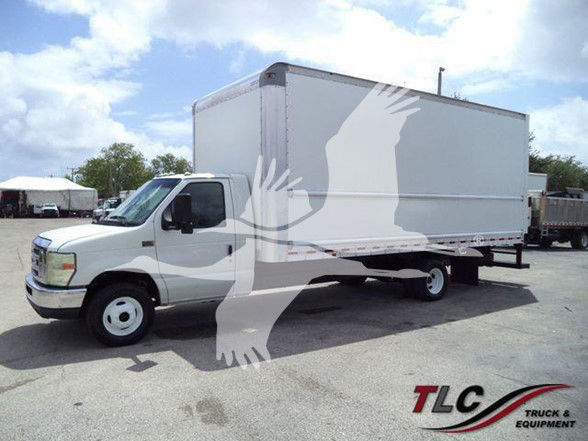
Showing 1 to 12 of 14 results
Have used ford box truck to sell? List it here to reach thousands of buyers.
About Used Ford Box Trucks
Frequently Asked Questions
What box sizes are common on used Ford box trucks?
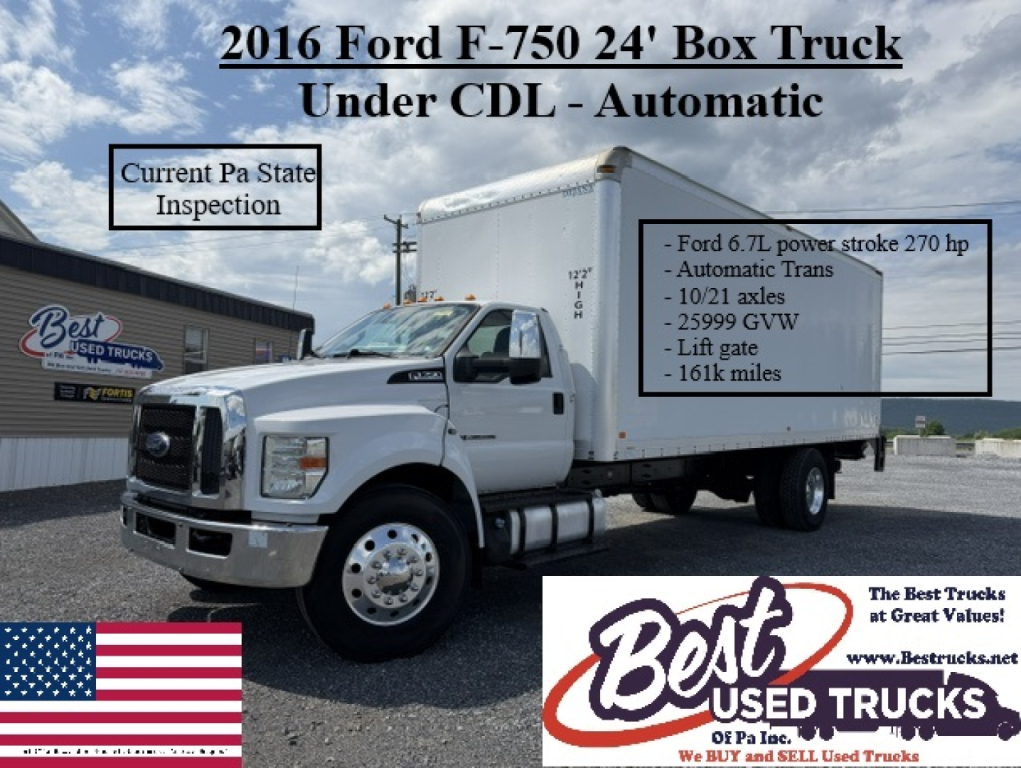
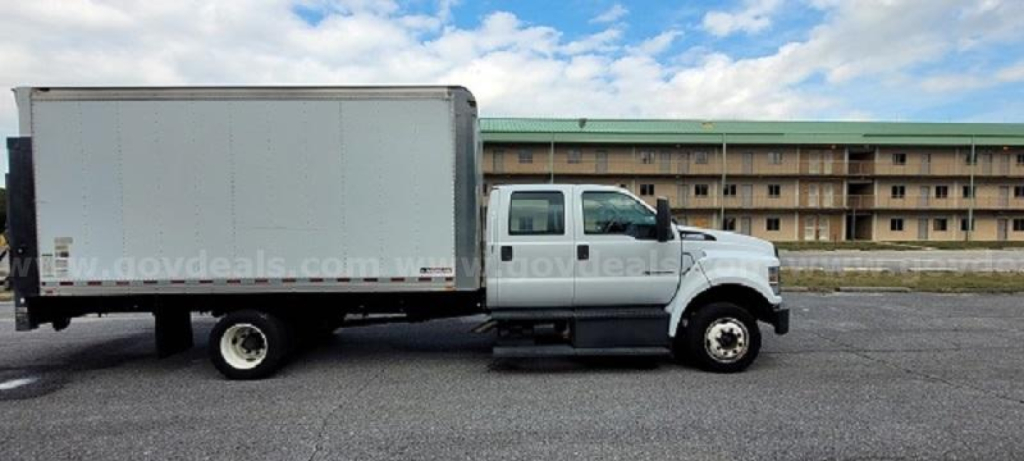
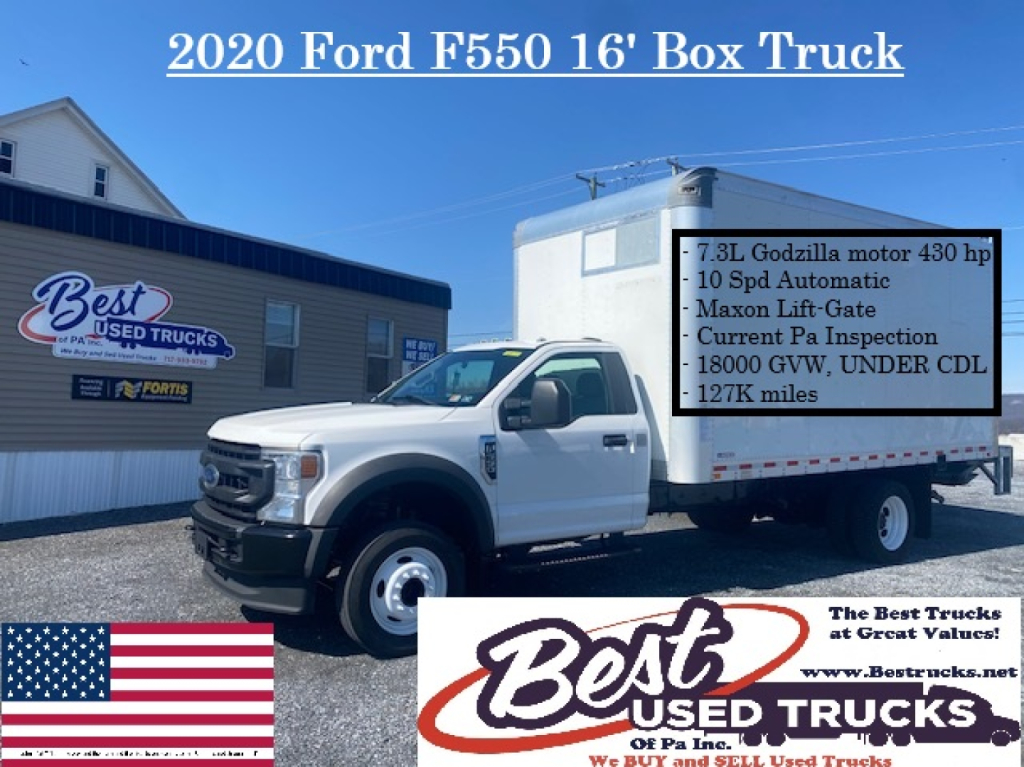
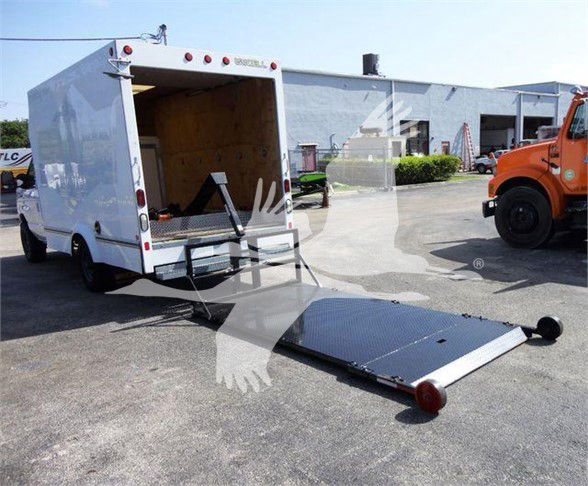
Used Ford box trucks are commonly equipped with 12-foot, 14-foot, 16-foot, and 20-foot van bodies, with the exact length tied to the chassis rating and wheelbase. Shorter bodies are easier in dense urban work and tight loading areas, while 16-foot to 20-foot boxes are more common for moving, parcel, and bulkier cargo. Interior setup matters as much as length, so buyers should also check body height, door opening dimensions, and whether the box has shelving, E-track, scuff liners, or a ramp.
What is the difference between a Ford E-350 and E-450 box truck?
The E-350 is generally a lighter-duty platform and is often used for smaller box bodies and lower GVWR applications. The E-450 typically supports a higher GVWR and is better suited for longer boxes, heavier payloads, and more demanding stop-and-go service. That higher rating can make a difference in cargo capacity, brake performance under load, and overall suitability for commercial moving or delivery work. Buyers should verify the actual GVWR on the door label because body configuration can change the useful payload substantially.
Are most used Ford box trucks gas or diesel?
In this segment, gas engines are very common, especially on Ford E-Series cutaway box trucks. The 5.4L V8 and 6.8L V10 are well-known options in older used inventory, and both are familiar to many independent shops and fleet maintenance departments. Gas power can be a practical fit for local routes with moderate annual mileage, easier cold-weather starts, and lower upfront acquisition cost. Buyers comparing units should focus less on fuel type alone and more on service history, cooling system condition, transmission operation, and how the engine performs under load.
What should I inspect on a used Ford box truck before buying?
Pay close attention to the box and chassis together, because the body condition can be just as important as the cab and drivetrain. Inspect the roof, front corners, and floor for leaks, soft spots, or previous patching. Check the roll-up door, hinges, and rear frame for wear from dock impact. On the chassis side, review tire wear, front-end play, brake condition, suspension sag, and transmission shift quality. If the truck has a liftgate or pull-out ramp, confirm it operates smoothly and that the rated capacity still fits the intended cargo.
What features add the most value on a Ford box truck?
The most useful features depend on the job, but plywood lining, E-track, translucent roof panels, shelving, and pull-out ramps are consistently valuable for delivery and moving applications. A roll-up rear door is common and practical for dock work, while a side door can speed up route stops. Dual rear wheels are also important on many heavier Ford box truck setups because they improve stability and support higher load ratings. Buyers should prioritize features that reduce loading time, protect cargo, and match the actual freight being hauled rather than paying extra for add-ons that do not fit the route.