
Trucks For Sale Near Bates City, Missouri
Browse trucks for sale in Bates City, Missouri, including sleeper tractors and step vans with specs, applications, and key buying considerations.
Learn more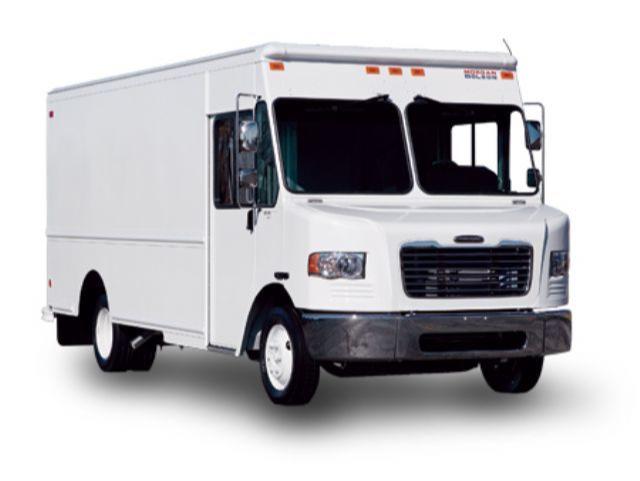
Have truck to sell? List it here to reach thousands of buyers.
About Trucks Near Bates City, Missouri
For over-the-road and regional hauling, used sleeper trucks commonly feature tandem axles, 6x4 configurations, raised-roof sleepers, and 12-speed automated or manual transmissions. Popular powertrains in this segment include engines like the Detroit DD15 paired with direct-drive or overdrive automated manuals, often backed by highway-friendly axle ratios for fuel-efficient cruising. Buyers should pay close attention to wheelbase, sleeper size, front and rear axle ratings, fifth wheel travel, and fairing package, especially if the truck will pull different trailer lengths or operate in both regional and long-haul service. Service history, emissions system condition, brake and tire life, and signs of frame or cab damage usually matter more than cosmetic appearance on a used road tractor.
Step vans, also known as walk-in vans or parcel delivery trucks, serve a completely different role. Common body lengths run roughly 12 to 22 feet, with configurations used for parcel delivery, bakery and linen routes, municipal service, mobile workshops, and food truck conversions. Freightliner MT35, MT45, MT55, and Ford F59 chassis are well-known in this category, typically equipped with automatic transmissions and diesel or gas engines depending on vintage and application. Buyers should focus on cargo area dimensions, door layout, step-in height, turning radius, visibility, and how the body supports route frequency. On older units, transmission condition, front suspension wear, corrosion, and the integrity of the body structure are key inspection points because these trucks spend their lives in repetitive urban service.
In a market like Bates City, truck selection often comes down to lane type and operating radius. A sleeper tractor supports freight hauling, owner-operator work, and fleet replacement for dry van, reefer, or flatbed applications. A step van fits last-mile, contractor, vending, and local distribution work where frequent stops and quick cab-to-cargo movement are more valuable than highway speed. Buyers comparing trucks for sale in this area should match axle configuration, drivetrain, body style, and cab layout to the actual revenue job the truck will perform. The best value usually comes from a truck whose specs already fit the work, rather than one that needs major reconfiguration after purchase.
Frequently Asked Questions
What is the difference between a sleeper truck and a step van?
A sleeper truck is a heavy-duty highway tractor built to pull semi-trailers and support regional or long-haul freight service. It typically has tandem drive axles, a fifth wheel, higher horsepower, and a sleeper compartment for driver rest. A step van is a medium-duty walk-in delivery truck designed for local routes with frequent stops, easy entry and exit, and an enclosed cargo body. The two serve different jobs, so the better choice depends on payload, route length, and whether you need to pull a trailer or carry cargo in a fixed body.
What should I check first on a used truck in this category?
Start with the truck's intended application and confirm the specs match the work. On a highway tractor, review engine hours, mileage, axle ratings, wheelbase, transmission type, and maintenance records, then inspect tires, brakes, suspension, emissions components, and frame condition. On a step van, check cargo body dimensions, transmission operation, steering and suspension wear, door function, and any corrosion or body damage from urban route use. A truck with the right specification and documented maintenance is usually a better buy than one with lower price but poor fit or uncertain history.
Are automatic transmissions common in both heavy-duty trucks and step vans?
Yes. Automated manual transmissions are now very common in modern sleeper tractors because they help with fuel economy, driver consistency, and ease of operation in regional and highway service. Traditional fully automatic transmissions are also common in step vans because they suit stop-and-go delivery work and reduce driver fatigue on dense routes. Buyers should still verify transmission model, service history, and how the gearing fits the truck's operating speed and load profile.
What body lengths are typical for step vans?
Step vans commonly fall in the 12-foot to 22-foot range, although exact dimensions vary by chassis and body builder. Shorter bodies are easier to maneuver in dense city routes and tight parking areas, while longer bodies provide more cubic capacity for parcel, linen, vending, or specialty service work. The best body length depends on route density, loading pattern, dock access, and how often the driver needs to move between the cab and cargo area during the day.
Which truck specs matter most for regional Missouri operations?
For regional Missouri work, focus on reliability, parts support, and specs that match mixed highway and local conditions. On a sleeper tractor, axle ratio, engine brake performance, transmission type, wheelbase, and fairings all affect fuel use and trip efficiency. On a step van, turning radius, visibility, cargo access, and suspension durability matter more because of stop frequency and urban driving. In either case, buyers should also consider proximity to service support around Kansas City and the availability of common engine and transmission parts.