
Used Ford Auto Carrier Trucks For Sale
Browse used Ford auto carrier trucks with details on payload, deck setup, loading angle, GVWR, and hauling applications for vehicle transport.
Learn more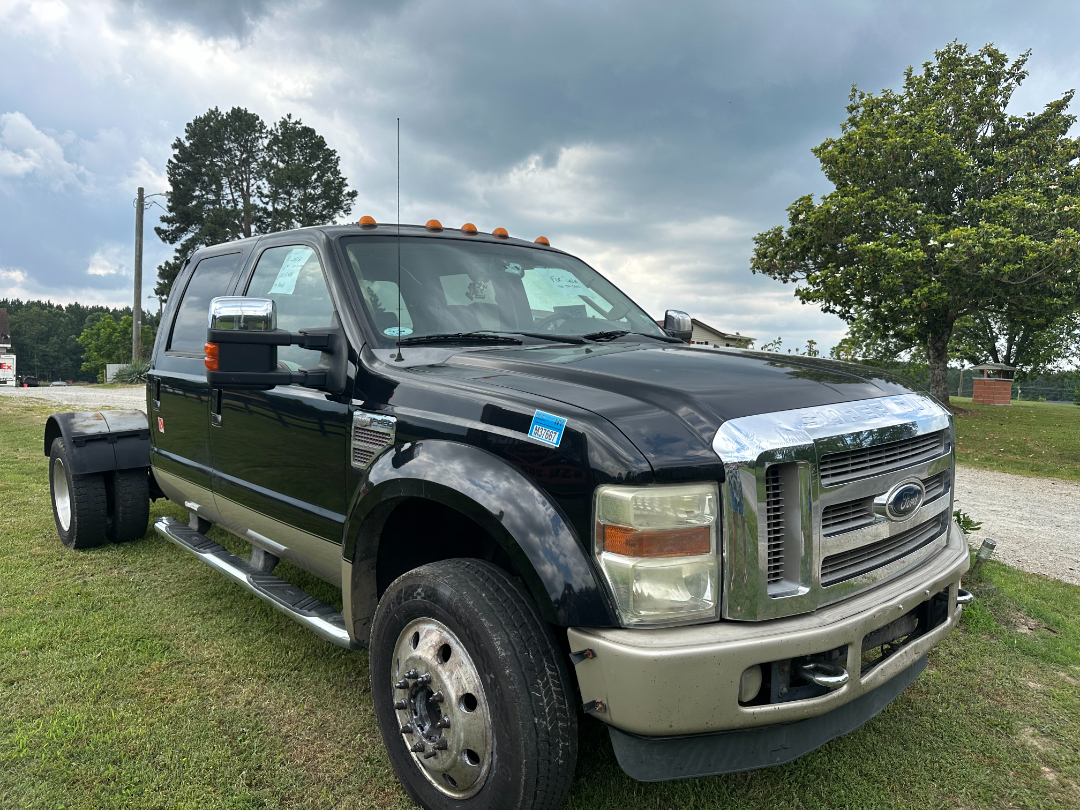
Have used ford auto carrier truck to sell? List it here to reach thousands of buyers.
About Used Ford Auto Carrier Trucks
The most important buying decision is matching chassis capacity to the type of vehicles being moved. A used Ford auto carrier may be set up for single-vehicle recovery and delivery, or for multi-car transport with wheel lifts, deck extensions, and hydraulic loading systems. Pay close attention to GVWR, wheelbase, axle ratings, deck length, bed material, winch capacity, and tie-down configuration. Loading angle matters more than many buyers expect, especially if you plan to haul low-clearance cars, long-wheelbase pickups, or crossover SUVs. Ramp approach, dovetail design, and hydraulic function all affect how easily the truck can be loaded without damaging vehicles.
On used units, condition of the carrier body is just as important as the condition of the Ford chassis. Inspect the subframe, deck, crossmembers, tie rails, wheel grids, cylinders, hoses, PTO operation, and any wheel-lift assembly for wear, leaks, or repairs. Rust around bed mounts and hydraulic components can turn into an expensive issue quickly. On the truck side, buyers should look closely at engine service history, transmission behavior under load, brake condition, front-end wear, and signs of hard towing or stop-and-go commercial use. Diesel-powered Ford Super Duty models are common in this segment, but gas engines can still make sense for lighter-duty urban work with lower annual mileage.
A Ford auto carrier truck can serve towing companies, auctions, dealerships, repossession operators, rental fleets, and independent haulers moving vehicles between customers, terminals, and sale lots. If the truck will spend most of its time in tight urban spaces, shorter wheelbases and lighter bodies can be an advantage. For longer runs or heavier vehicle mixes, stability, bed length, and legal payload become more important. Buyers comparing listings should focus less on trim level and more on carrier brand, hydraulic performance, chassis rating, and how the setup fits the vehicles they plan to move every day.
Frequently Asked Questions
What Ford models are most common as used auto carrier trucks?
The most common Ford auto carrier trucks are built on F-Series Super Duty chassis, especially the F-450 and F-550. These platforms are popular because they offer commercial-grade frame strength, good service support, and enough capacity for rollback bodies, wedge carriers, and wheel-lift combinations used in vehicle transport.
What should I check first on a used Ford auto carrier truck?
Start with the carrier body and hydraulic system, because those components often determine the truck's real working value. Inspect the deck structure, cylinders, hoses, PTO engagement, winch operation, wheel-lift components, and tie-down points. Then review the Ford chassis for engine maintenance records, transmission performance, brake wear, suspension condition, and any signs of overload or repeated towing stress.
Is a Ford F-450 enough for car hauling, or should I look for an F-550?
That depends on the size and weight of the vehicles being transported and the type of carrier body installed. An F-450 can be a solid fit for lighter-duty vehicle delivery and local work, while an F-550 generally gives buyers more chassis capacity and flexibility for heavier loads or more robust carrier equipment. The correct choice comes down to GVWR, axle ratings, body weight, and the legal payload left after the carrier is installed.
What bed features matter most on an auto carrier truck?
Deck length, loading angle, hydraulic function, winch capacity, and tie-down layout are the main features that affect daily use. A lower loading angle helps with low-clearance cars, while a well-designed dovetail and extension system can make it easier to load longer vehicles. Buyers should also look at deck surface condition, wheel grids, scuff areas, and how easily the setup secures different vehicle types.
Are diesel Ford auto carrier trucks better than gas models?
Diesel models are often preferred for heavier commercial use because they typically offer stronger torque for loaded starts, better performance under sustained hauling, and durability in high-mileage service. Gas models can still be a sensible choice for lighter-duty operations, shorter routes, and fleets that want simpler emissions systems or lower upfront cost. The better option depends on route length, payload demands, maintenance strategy, and annual utilization.