
Chevrolet Auto Carrier Trucks For Sale
Shop Chevrolet auto carrier trucks built for vehicle transport, towing, and recovery with medium-duty chassis, ramp systems, and hauling capacity.
Learn more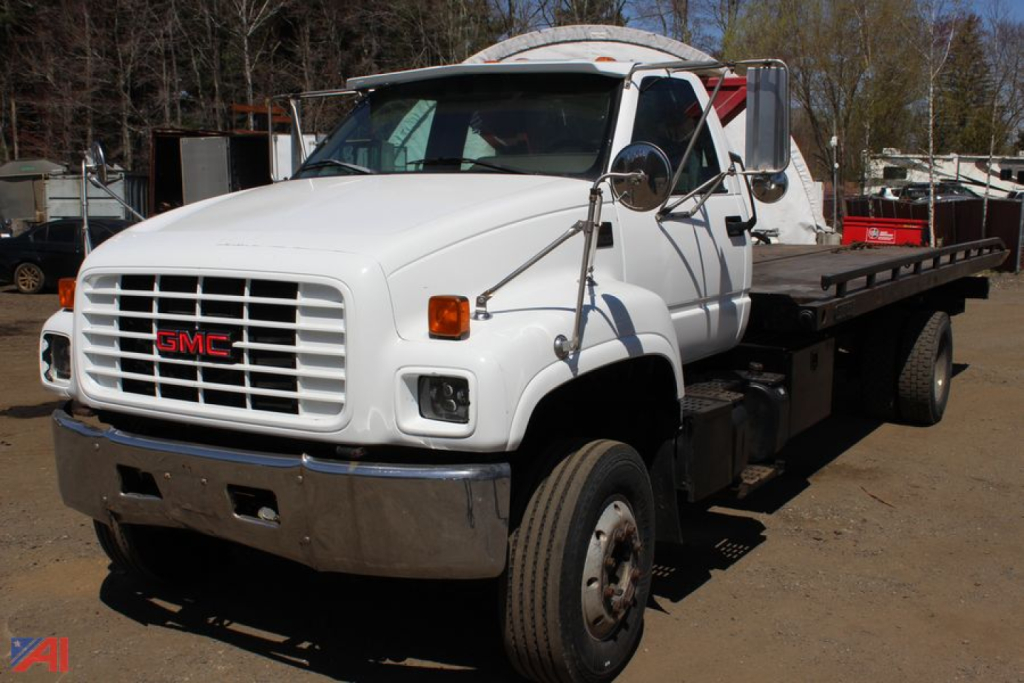
Have chevrolet auto carrier truck to sell? List it here to reach thousands of buyers.
About Chevrolet Auto Carrier Trucks
A Chevrolet auto carrier is often valued for straightforward mechanicals, familiar medium-duty serviceability, and a size that works well in tighter urban and suburban routes. Common specs to review include GVWR, wheelbase, deck length, deck material, winch capacity, hydraulic condition, and rear axle rating. If the truck will handle heavier crossovers, cargo vans, or all-wheel-drive vehicles, pay close attention to rollback capacity, approach angle, tie-down points, and the condition of the bed rails and subframe. On used units, the truck chassis and the carrier body can age very differently, so frame condition, PTO operation, cylinder leaks, cable wear, and bed pivot wear deserve as much scrutiny as engine and transmission condition.
Chevrolet auto carrier trucks are also known as rollback trucks, car haulers, or slideback carriers depending on the body style. Many are used in towing fleets where quick loading and low deck angles matter more than raw payload. A lower-profile carrier can reduce loading issues with low-clearance cars, while a longer deck offers more flexibility for crew cab pickups and longer-wheelbase vehicles. Buyers comparing listings should look closely at brake type, suspension setup, tire size, and parts support for the specific Chevrolet chassis generation, especially on older units where body equipment may have been updated but the underlying truck still reflects its original duty cycle.
For a buyer, the best Chevrolet auto carrier truck is the one that balances chassis durability with a carrier body that is still tight, responsive, and correctly sized for the work. A clean engine and transmission matter, but uptime in this category often comes down to hydraulic reliability, winch performance, deck integrity, and how quickly the operator can load and secure a vehicle. If the truck will be used for daily towing or transport, service records, body manufacturer information, and evidence of proper repairs to the carrier assembly are usually more important than cosmetic appearance alone.
Frequently Asked Questions
What should I check first on a used Chevrolet auto carrier truck?
Start with the carrier body and hydraulic system before you focus only on the cab and drivetrain. Check tilt and slide operation, PTO engagement, hydraulic cylinders, hoses, winch function, deck straightness, and the condition of tie-down points. Then review frame condition, axle ratings, brakes, tires, steering components, and signs of hard towing service such as excessive bed wear, cracked mounts, or repaired subframe sections.
Are Chevrolet auto carrier trucks good for local towing and vehicle transport?
Yes, many Chevrolet auto carrier trucks are well suited for local and regional work because their medium-duty chassis size is manageable in traffic, dealership lots, storage yards, and residential areas. They are commonly used for passenger vehicle transport, impound work, disabled vehicle recovery, and short-route hauling. Their practicality depends on the exact chassis rating and carrier body capacity, so the truck should be matched to the weight and dimensions of the vehicles being moved.
What deck and capacity features matter most on an auto carrier?
Deck length, rollback capacity, winch rating, and loading angle are the main performance points. A longer deck helps with crew cab pickups, SUVs, and vehicles with longer wheelbases. A low load angle is important for sports cars and other low-clearance vehicles. Capacity should be evaluated against real operating conditions, including fuel, accessories, and any wheel-lift equipment, not just the advertised body rating.
What are Chevrolet auto carrier trucks also called?
They are commonly called rollback trucks, slideback trucks, car haulers, or auto transport carriers depending on the body design and intended use. In towing applications, the terms rollback and auto carrier are often used interchangeably. Some trucks may also include a wheel-lift for recovery support, but the core function remains the same: loading and transporting vehicles on a hydraulic bed.