
Attenuator Trucks For Sale
Browse attenuator trucks built for work zone protection, lane closures, and highway maintenance with key specs, TMA types, and chassis details.
Learn moreNo exact matches found for your search
Showing Trucks instead.
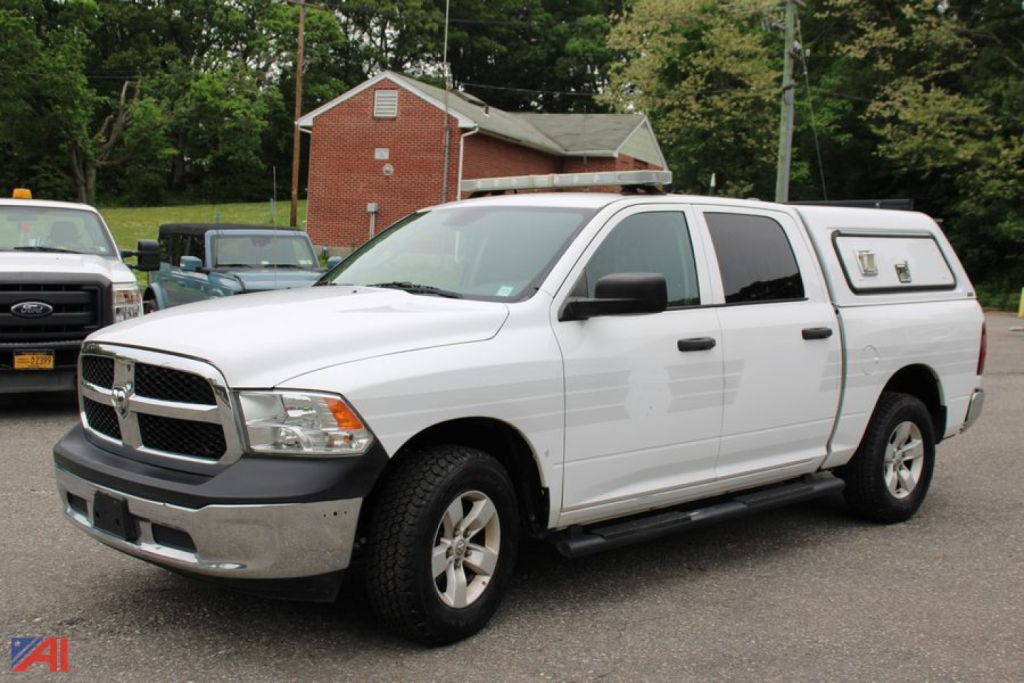
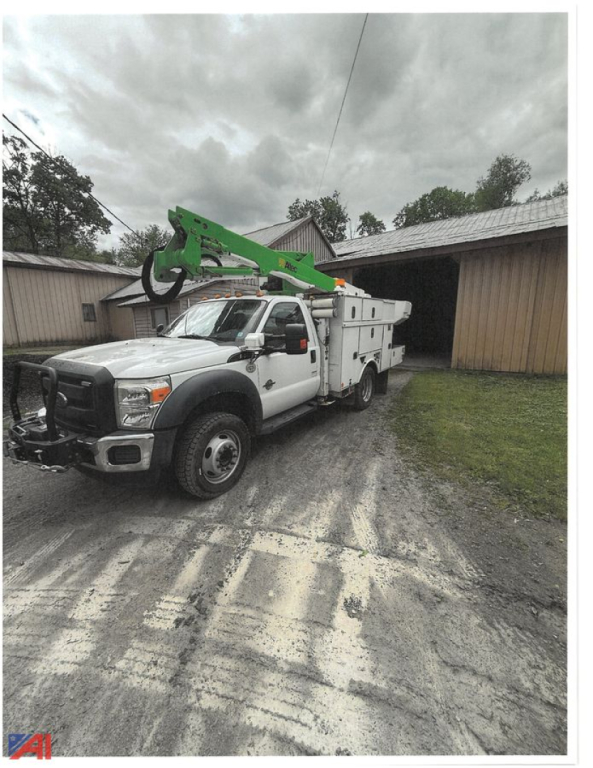
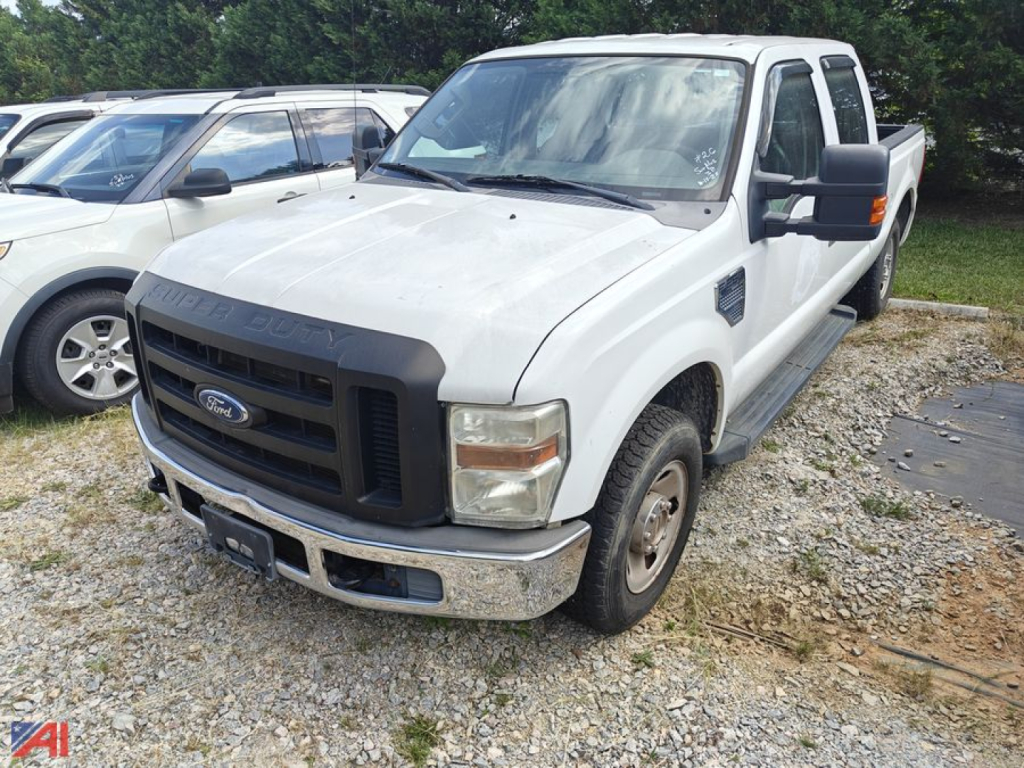
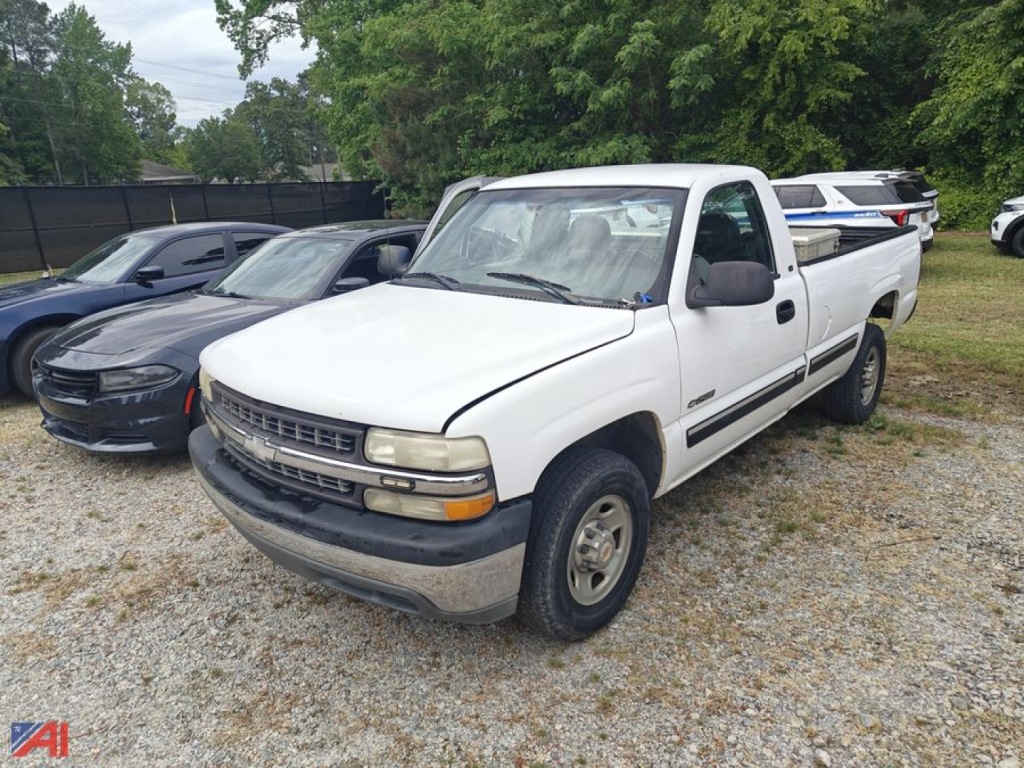
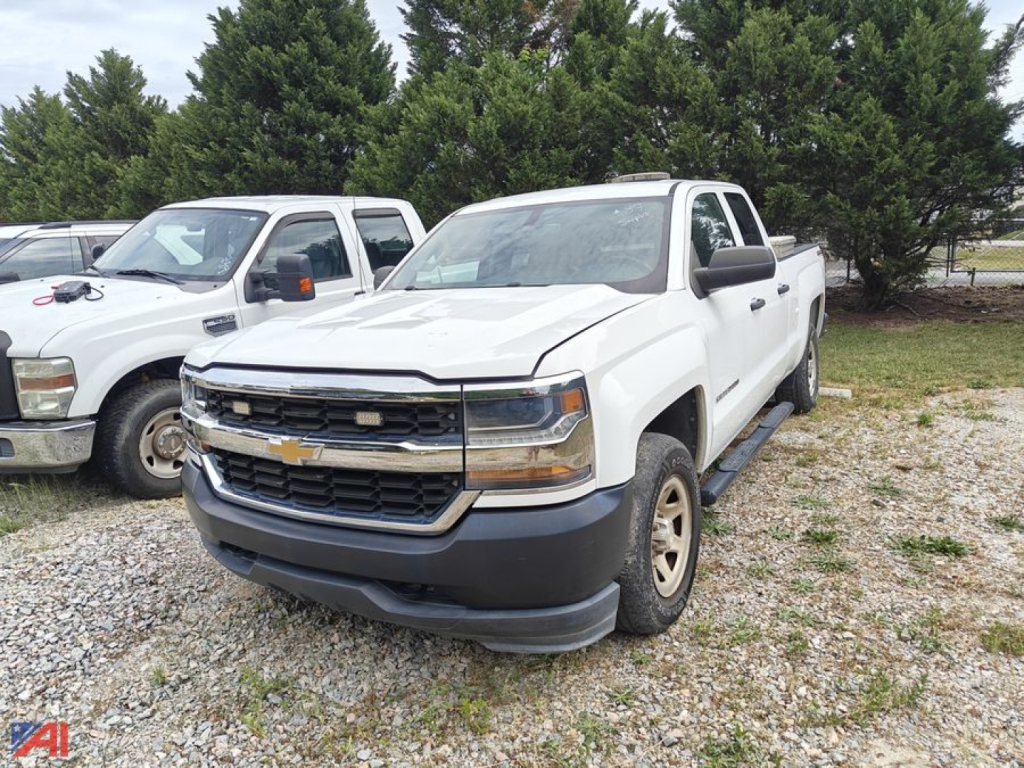
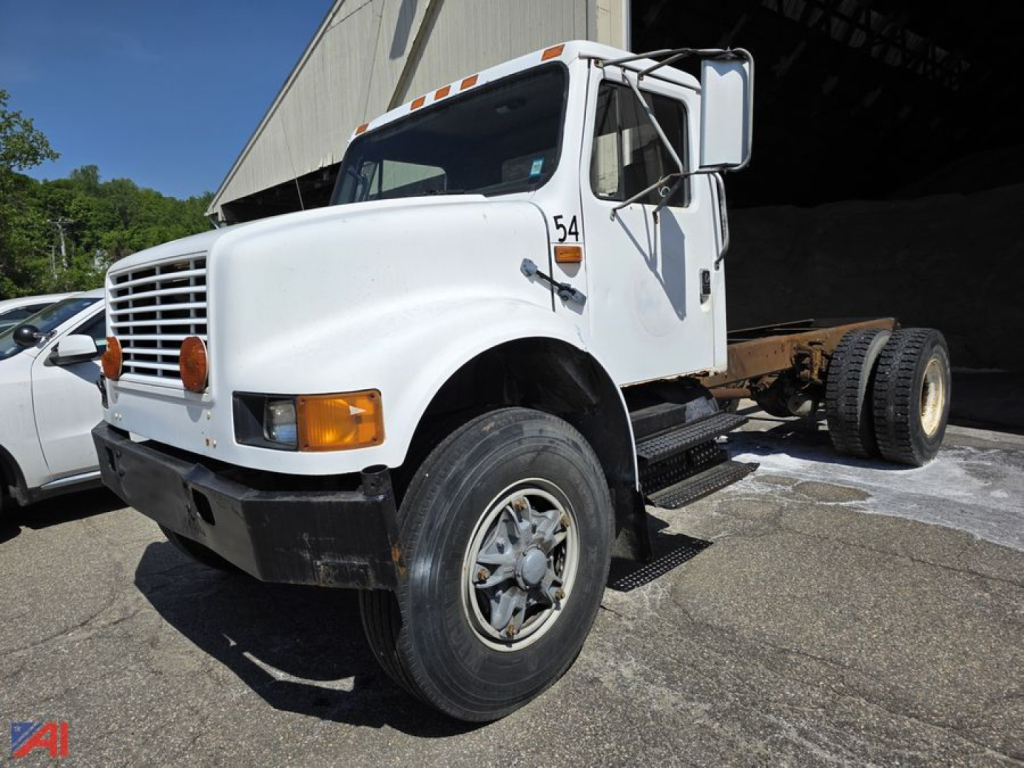
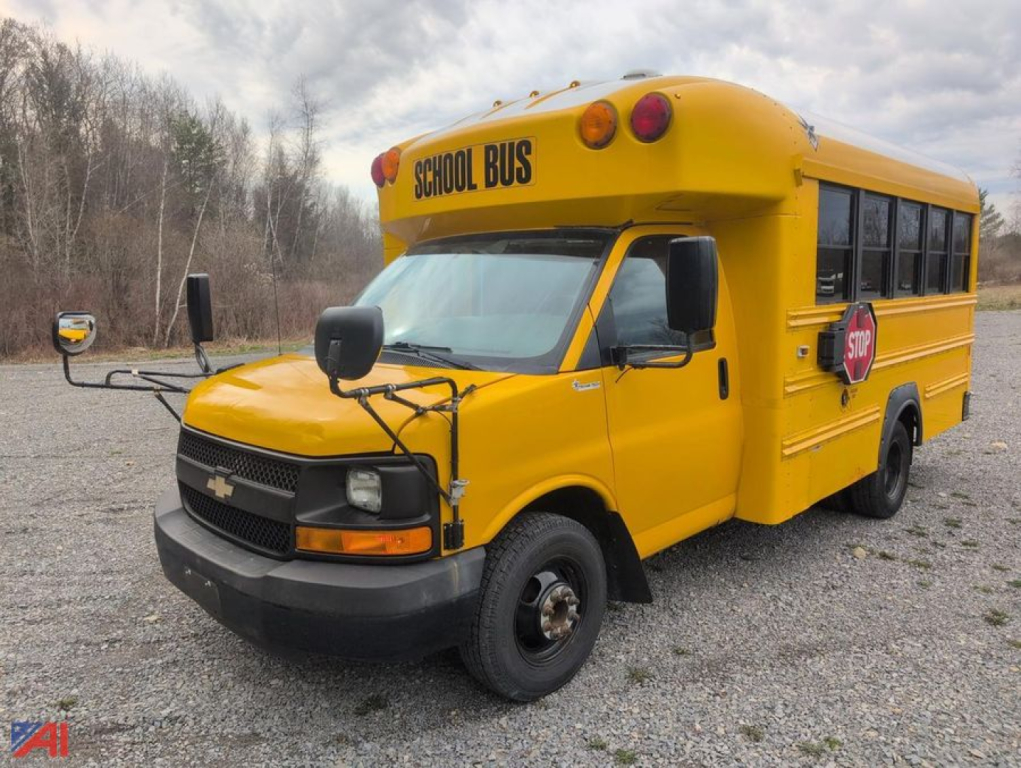
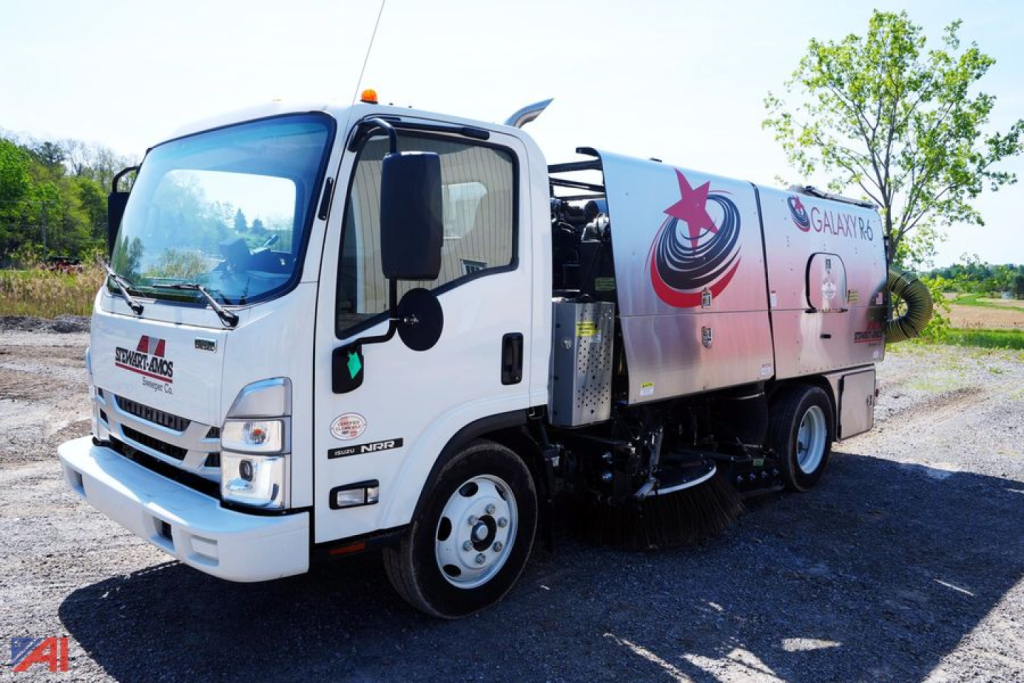
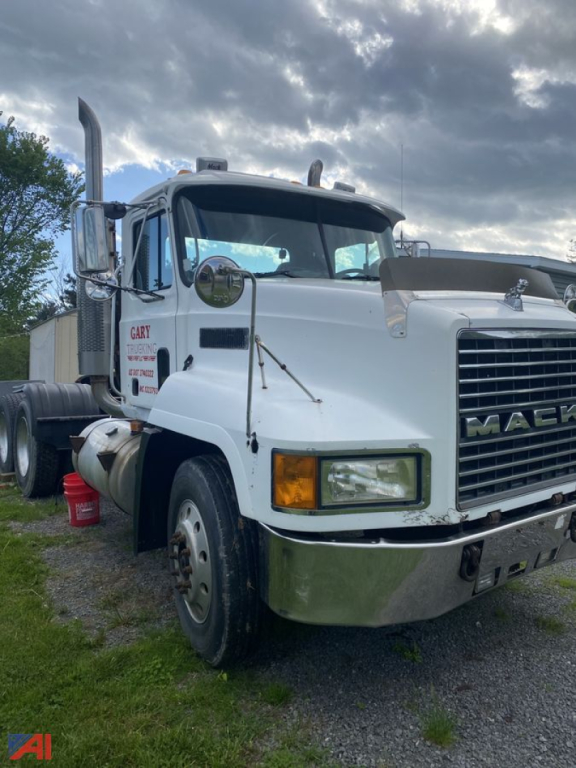
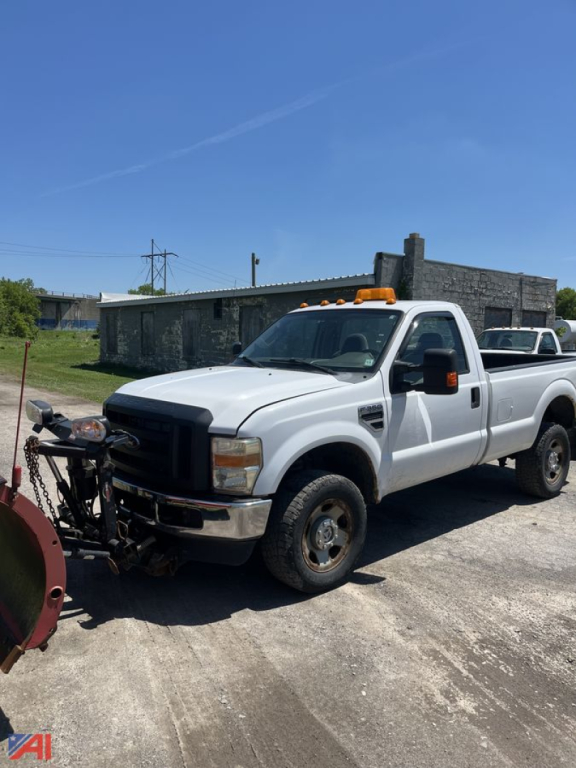
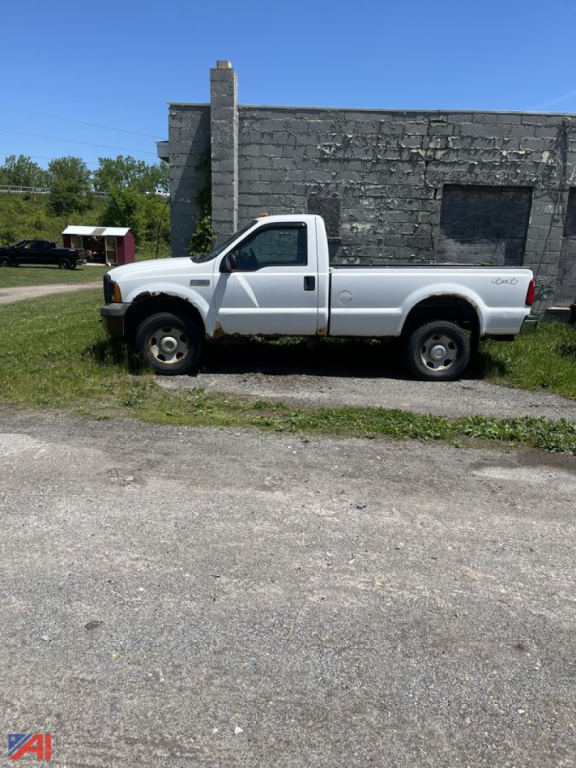
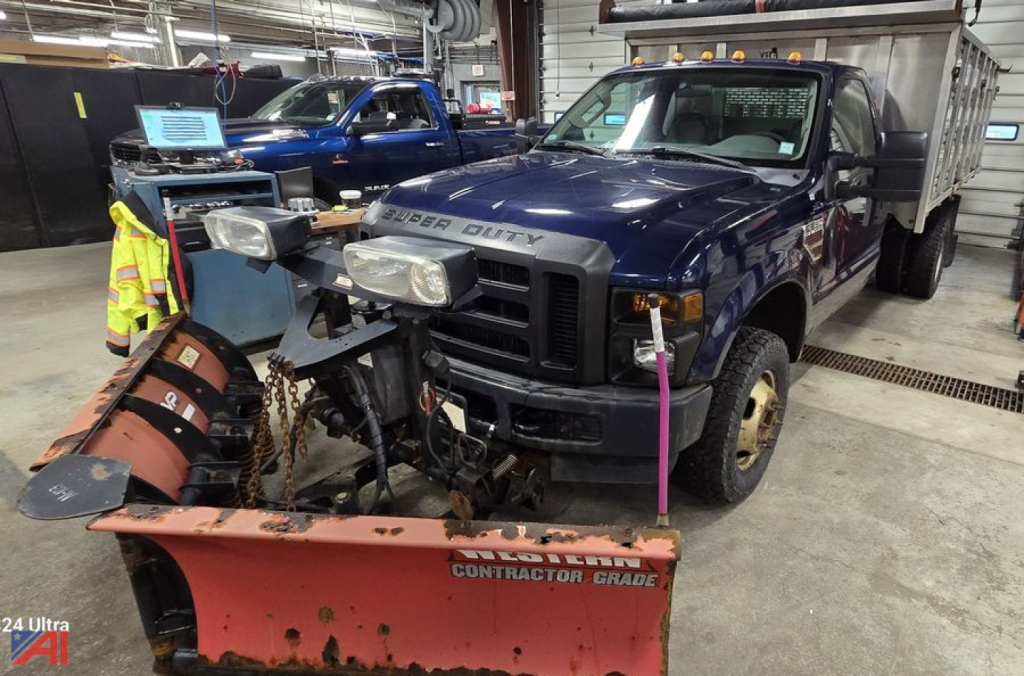
Showing 97 to 108 of 3,196 results
Have attenuator truck to sell? List it here to reach thousands of buyers.
About Attenuator Trucks
A key buying decision is matching the truck to the roadway environment. High-speed highway applications often call for a chassis with enough GVWR, wheelbase, and rear frame strength to support a full-size impact cushion, arrow board, message board, and work lighting without compromising stability. Municipal or urban crews may prefer a more maneuverable Class 6 or Class 7 platform that can still carry the required TMA system and traffic control equipment. Common configurations include diesel engines, automatic transmissions, air brakes, PTO-driven or electric accessory systems, and bodies set up with cone wells, sign storage, tool compartments, and backup camera systems. Buyers should also verify attenuator manufacturer approval, NCHRP crash test compliance, and whether the unit is rated for the posted speeds where it will be deployed.
Condition matters more on an attenuator truck than on many other truck categories because the rear impact system is the reason the unit exists. A buyer should inspect the TMA cartridge or cushion assembly, support frame, hydraulic or electrical deployment components, pivot points, wiring, warning lights, arrow board operation, and any evidence of prior impact events or frame repair. On the chassis side, mileage and engine hours both matter, especially on units that spend long periods idling in traffic control service. Review brake condition, suspension wear, tire age, charging system output, and the condition of any onboard generators or compressors. If the truck will run under CDL thresholds, confirm GVWR and brake spec before purchase rather than assuming the setup qualifies.
Well-spec'd attenuator trucks reduce exposure for road crews and help contractors meet DOT and jobsite traffic control requirements. The best unit is not just a truck with a crash cushion attached. It is a properly integrated safety platform with dependable warning systems, legal crash attenuation equipment, and a chassis sized for the duty cycle. Buyers comparing listings should focus on TMA model, crash rating, chassis class, visibility package, storage layout, and service history, because those details have a direct effect on worker protection, uptime, and operating cost.
Frequently Asked Questions
What is an attenuator truck used for?
An attenuator truck is used as a protective vehicle in mobile and stationary work zones. It is positioned behind crews and equipment during lane closures, road construction, striping, sweeping, bridge work, and utility work to absorb impact if an errant vehicle enters the closure. The rear-mounted TMA reduces the force transferred to the truck and helps protect workers, equipment, and motorists.
What should I check first when buying a used attenuator truck?
Start with the condition and rating of the truck mounted attenuator itself. Confirm the TMA model, posted speed rating, crash test compliance, and any repair history from previous impacts. Then inspect the mounting structure, frame rails, hydraulics or deployment hardware, arrow board, strobe package, wiring, and body equipment. After that, evaluate the chassis like any other vocational truck by reviewing engine condition, transmission operation, brake type, suspension wear, tires, and service records.
Are attenuator trucks the same as crash trucks?
In most fleet and contractor usage, yes. The terms attenuator truck, crash truck, and TMA truck are commonly used to describe a truck equipped with a truck mounted attenuator for work zone protection. Some buyers use crash truck more loosely, so it is still important to verify the actual attenuator brand, model, and compliance standard rather than relying only on the label in a listing.
Do I need a CDL to operate an attenuator truck?
That depends on the truck's GVWR, brake configuration, state rules, and how the vehicle is registered and used. Some attenuator trucks are built on Class 6 or lighter Class 7 chassis that may fall under CDL thresholds, while others require a CDL because of weight, air brakes, or commercial operating rules. Buyers should confirm the exact GVWR, brake system, and local licensing requirements before assigning drivers or purchasing a unit for a specific crew.
What features are common on attenuator trucks?
Common features include a rear truck mounted attenuator, arrow board, warning strobes, high-visibility chevrons, work lights, backup camera systems, and storage for cones, signs, and tools. Many units are built on diesel chassis with automatic transmissions and either hydraulic or electric systems to support traffic control equipment. Larger highway-spec units may also include message boards, additional battery capacity, external controls, and reinforced body or frame components to support the attenuator system.