
Used Mercedes-Benz Ambulance Trucks For Sale in North Carolina
Browse used Mercedes-Benz ambulance trucks, including Sprinter-based units, with insight on chassis, module condition, service history, and specs.
Learn more
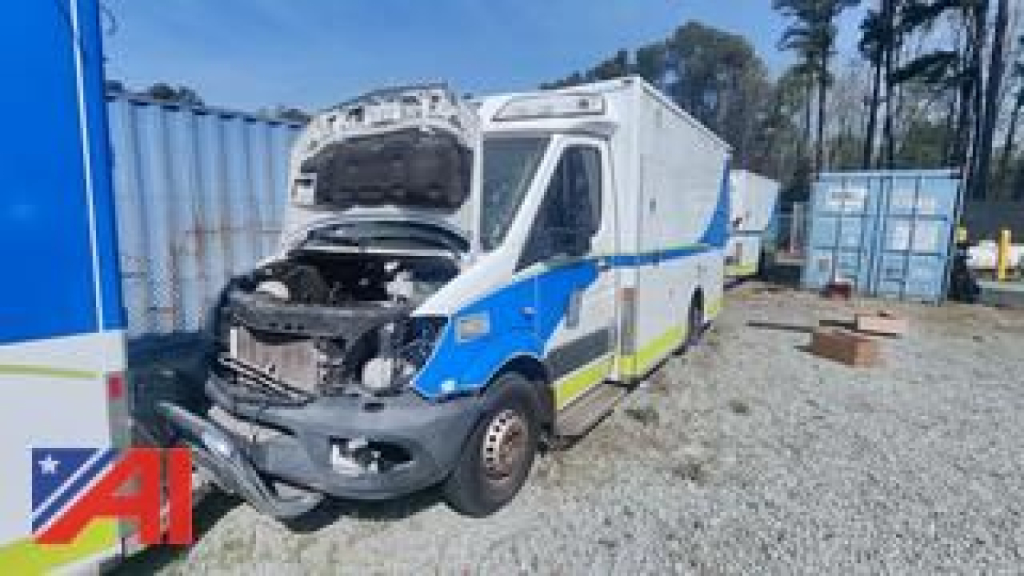
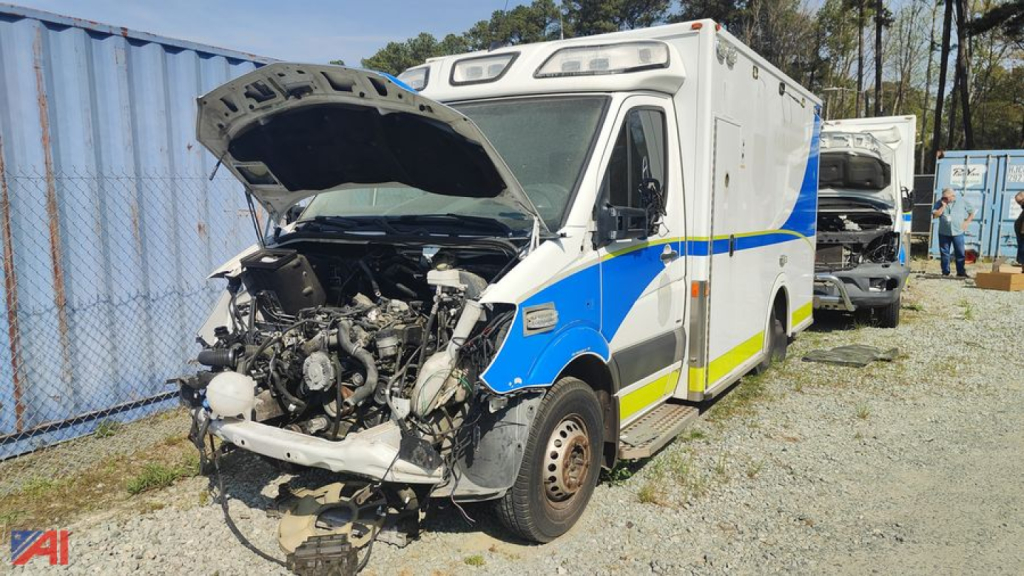
Have used mercedes-benz ambulance truck to sell? List it here to reach thousands of buyers.
About Used Mercedes-Benz Ambulance Trucks in North Carolina
The chassis decision matters as much as the patient compartment layout. Most used Mercedes-Benz ambulance trucks in this category are diesel-powered Sprinters, commonly with a 2500 or 3500 series chassis, and buyers should confirm wheelbase, roof height, GVWR, and single versus dual rear wheel setup. Those specs affect payload, interior packaging, ride stability, and service access. On a used unit, the high-value checkpoints are engine and emissions history, transmission performance, idle hours, electrical load capacity, shoreline and inverter function, HVAC output in both cab and rear compartment, and the condition of emergency warning systems if the vehicle will be repurposed for legal emergency service use. If the listing notes parts-only status, the unit may still hold value for drivetrain, body hardware, cabinets, lighting components, or salvageable medical compartment equipment, but it should be evaluated differently than a road-ready ambulance.
The ambulance upfit deserves a close look because that is where refurbishment costs can escalate. Buyers should inspect interior cabinetry, squad bench mounting, attendant seat bases, oxygen storage, suction systems, cot retention hardware, siren and light control panels, and shoreline charging systems. Check for water intrusion around roof penetrations, delamination or soft flooring, corrosion at door sills, and wear in the rear HVAC evaporator and condenser components. Sprinter-based ambulances can be excellent specialty units for interfacility transport, event medical support, community paramedicine, and mobile care applications, but they are more sensitive to neglected electrical maintenance than simpler commercial vans. A clean service file and evidence of a professionally maintained upfit usually matter more than cosmetic appearance alone.
Mercedes-Benz ambulance trucks also appeal to buyers looking for export, municipal surplus conversion, or non-emergency specialty service bodies. Some are repurposed into mobile clinics, blood draw units, command vehicles, or support vans because the patient compartment is already insulated, wired, and climate-controlled. For buyers comparing listings, the smartest approach is to separate chassis value from ambulance-module value. Mileage, idle time, rust exposure, emissions compliance, and parts availability should all be weighed against the cost to return the unit to service or convert it for a different use. A used Mercedes-Benz ambulance can be a practical platform, but only if the buyer matches the chassis capacity, interior configuration, and service history to the intended duty cycle.
Frequently Asked Questions
What type of ambulance is a Mercedes-Benz Sprinter usually built as?
Most Mercedes-Benz ambulance units are built as Type II ambulances, which use a van chassis rather than a separate cab and box body. The Sprinter is the most common platform in this category. Type II ambulances are popular for urban EMS, interfacility transport, and specialty medical response because they offer good maneuverability, a lower overall footprint, and efficient diesel operation compared with larger traditional ambulance bodies.
What should I inspect first on a used Mercedes-Benz ambulance truck?
Start with service history, engine and transmission condition, emissions system performance, and total idle hours. After that, inspect the ambulance electrical system, including shoreline charging, inverter operation, warning lights, siren controls, rear HVAC, battery condition, and cabinet-mounted equipment wiring. On Sprinter-based ambulances, deferred maintenance in the electrical and climate-control systems can turn into expensive repairs faster than ordinary cosmetic wear.
Are parts-only ambulance listings worth considering?
Yes, but only if the buyer is valuing the unit correctly. A parts-only Mercedes-Benz ambulance may still have usable drivetrain components, doors, glass, seating, cabinets, lighting assemblies, siren hardware, and other salvageable upfit parts. It should not be priced or evaluated like a ready-to-run ambulance. Buyers need to confirm title status, road-use restrictions, and which systems are actually intact before treating it as a donor vehicle or rebuild candidate.
Is a Mercedes-Benz Sprinter ambulance large enough for EMS work?
For many applications, yes. A Sprinter ambulance can handle core EMS and patient transport duties, particularly in tight urban areas, hospital systems, campuses, and event medicine operations. The tradeoff is interior space and payload compared with larger box-style ambulances. Buyers should verify roof height, wheelbase, storage layout, cot positioning, and crew ergonomics to make sure the unit fits the level of care and equipment load they plan to carry.
Can a used ambulance be converted for non-emergency commercial use?
Yes. Used ambulance trucks are often converted into mobile medical clinics, service support vehicles, command units, or specialty vans because they already have insulated interiors, 12V and 110V electrical infrastructure, cabinets, and climate-control equipment. The key is to evaluate how much of the emergency upfit can be reused and what it will cost to remove or reconfigure regulated equipment, warning systems, and patient-care hardware for the new application.