
Used Mercedes-Benz Ambulance Trucks For Sale
Browse used Mercedes-Benz ambulance trucks, including Sprinter-based units, with guidance on body type, service history, electrical systems, and layout.
Learn more

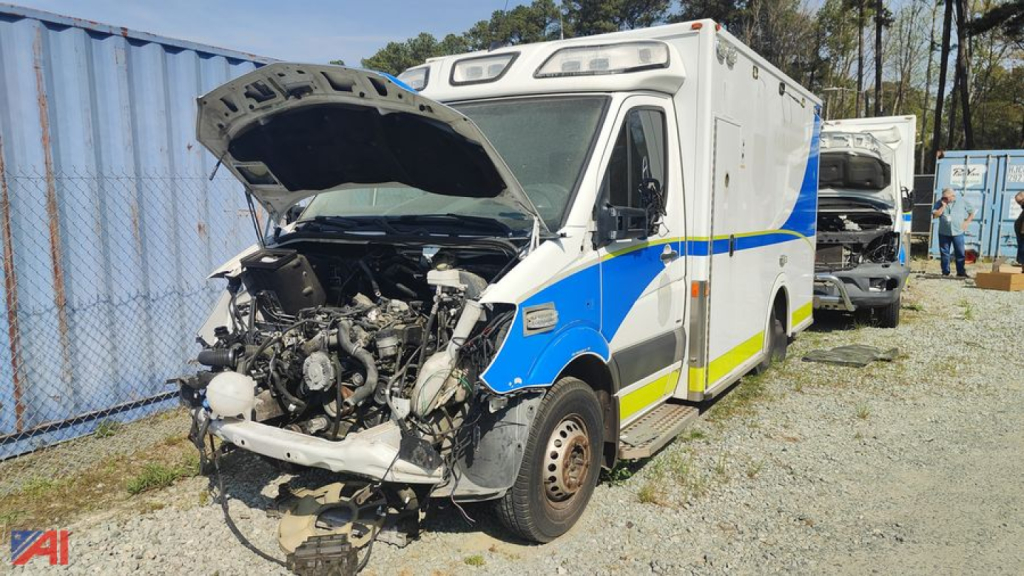
Have used mercedes-benz ambulance truck to sell? List it here to reach thousands of buyers.
About Used Mercedes-Benz Ambulance Trucks
The first buying decision is usually body style and patient compartment layout. A Sprinter ambulance gives you a tall roofline, walk-through style access in many upfits, and a narrower overall width than a traditional box ambulance. That can improve driver confidence and reduce route limitations, but it also means less cabinet volume and less room for crew movement than a Type I or Type III modular unit. Buyers should pay close attention to stretcher mounting, attendant seat placement, oxygen storage, HVAC performance in the patient area, inverter and shoreline setup, scene lighting, siren and warning light controls, and how the electrical system was integrated by the ambulance body manufacturer. On a used unit, these systems often tell you more than the chassis alone.
Mercedes-Benz diesel powertrains in ambulance service are valued for fuel economy and road manners, but service history matters more than badge appeal. Ambulance duty cycles involve long idle time, frequent starts and stops, auxiliary electrical loads, and extended operation of HVAC and medical equipment. Inspect engine hours if available, not just odometer miles. Review maintenance records for emissions components, cooling system work, transmission service, charging system performance, batteries, suspension wear, and brake history. On Sprinter ambulances, buyers should also verify roof-mounted equipment condition, module seal integrity, corrosion around door openings and lower body edges, operation of power load systems if equipped, and the condition of any onboard suction, compressor, or inverter equipment that may have seen heavy use.
A used Mercedes-Benz ambulance can be a practical platform for continued emergency service in the right fleet, but many buyers also repurpose these trucks for mobile medical clinics, community paramedicine, airport support, security operations, and specialty commercial builds. The best value usually comes from balancing chassis condition with the remaining life of the ambulance conversion itself. A clean powertrain does not offset a tired patient module, outdated wiring, or incomplete safety equipment. Buyers comparing listings should evaluate compliance needs, remount feasibility, parts availability for the upfit components, and how easily the unit can be returned to service or converted for a secondary application.
Frequently Asked Questions
What type of Mercedes-Benz ambulance truck is most common on the used market?
Most used Mercedes-Benz ambulance listings are Sprinter-based van ambulances, commonly referred to as Type II ambulances. These units are built on a high-roof van chassis rather than a separate cab and modular box. They are popular with municipal EMS, private transport operators, and hospital systems that need good maneuverability, efficient diesel operation, and easier access in dense urban settings.
What should I inspect first on a used Mercedes-Benz Sprinter ambulance?
Start with service records, engine hours, and the condition of the ambulance conversion systems. Ambulances accumulate wear differently than standard delivery vans because they spend significant time idling and powering medical and warning equipment. Check the charging system, batteries, inverter, shoreline connection, patient compartment HVAC, oxygen system, lighting, siren controls, stretcher mount, and all door seals and latches. A mechanically sound chassis can still require substantial expense if the emergency upfit systems are neglected or partially removed.
Are Mercedes-Benz ambulance trucks good for non-EMS commercial use?
Yes, many used Mercedes-Benz ambulances are repurposed successfully for mobile clinics, event support, command vehicles, airport operations, security response, and specialty service bodies. The value is in the existing interior build, power distribution, climate control, and storage systems. Buyers should confirm local title requirements, remove or deactivate emergency equipment as required by law, and evaluate whether the existing floorplan supports the intended commercial use without major rewiring or structural changes.
Why do engine hours matter on a used ambulance?
Engine hours help show the real workload of an ambulance chassis. Emergency vehicles often idle for extended periods at scenes, hospitals, and standby events while HVAC, lighting, and onboard electrical systems remain active. A unit with moderate mileage can still have high total engine wear if it spent years in heavy idle service. When available, compare engine hours with odometer mileage to get a more accurate picture of drivetrain use and maintenance needs.
Is a Sprinter ambulance better than a larger box-style ambulance?
It depends on the application. A Sprinter ambulance is easier to maneuver, typically more fuel-efficient, and better suited for city routes, interfacility transport, and operations where parking and access are tight. A larger box-style ambulance usually provides more interior workspace, cabinet capacity, and flexibility for advanced life support equipment and multiple crew tasks. Buyers should match the platform to route density, patient volume, equipment load, and service area rather than assuming one style is universally better.