
Used Trucking Equipment For Sale in New York
Browse used trucking equipment in New York, including trailers, liftgates, material handling and shop support gear for fleet operations.
Learn morePopular Trucking Equipment Categories
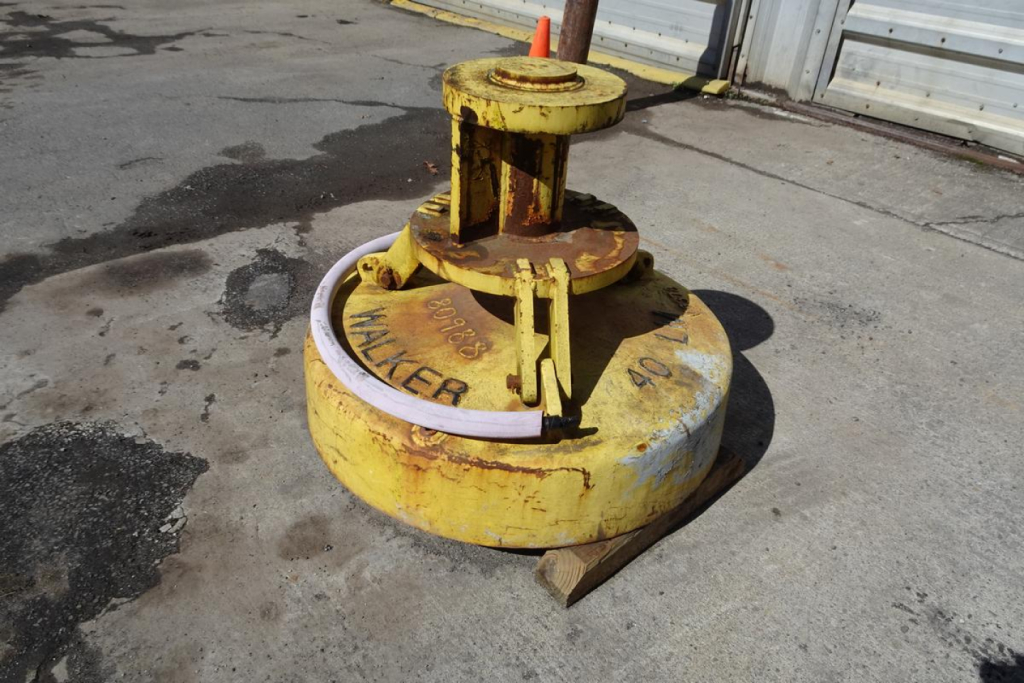
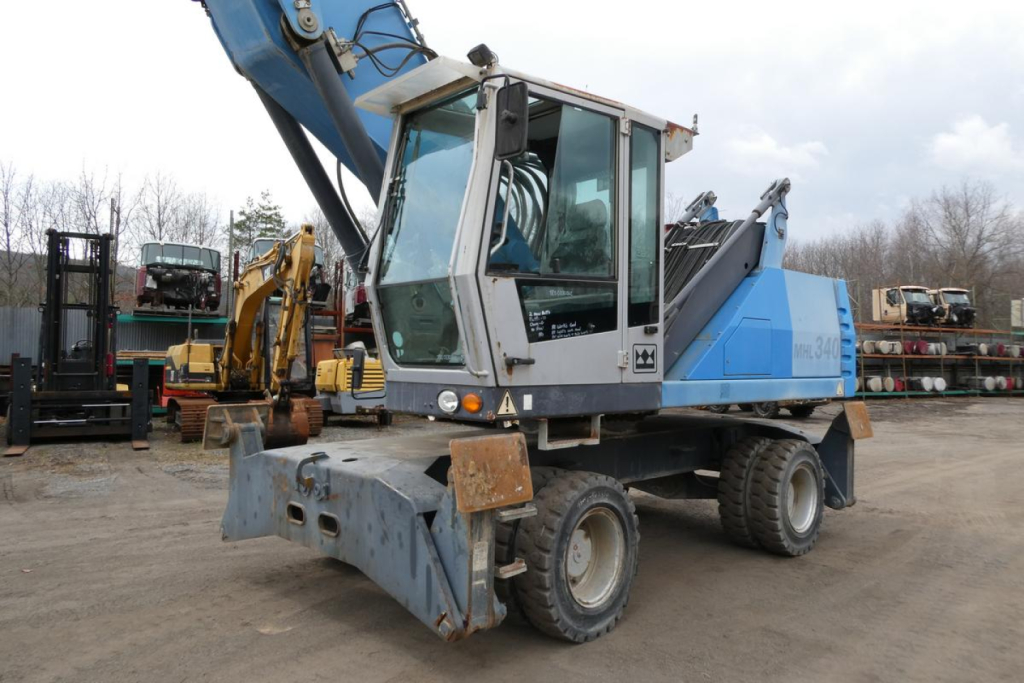
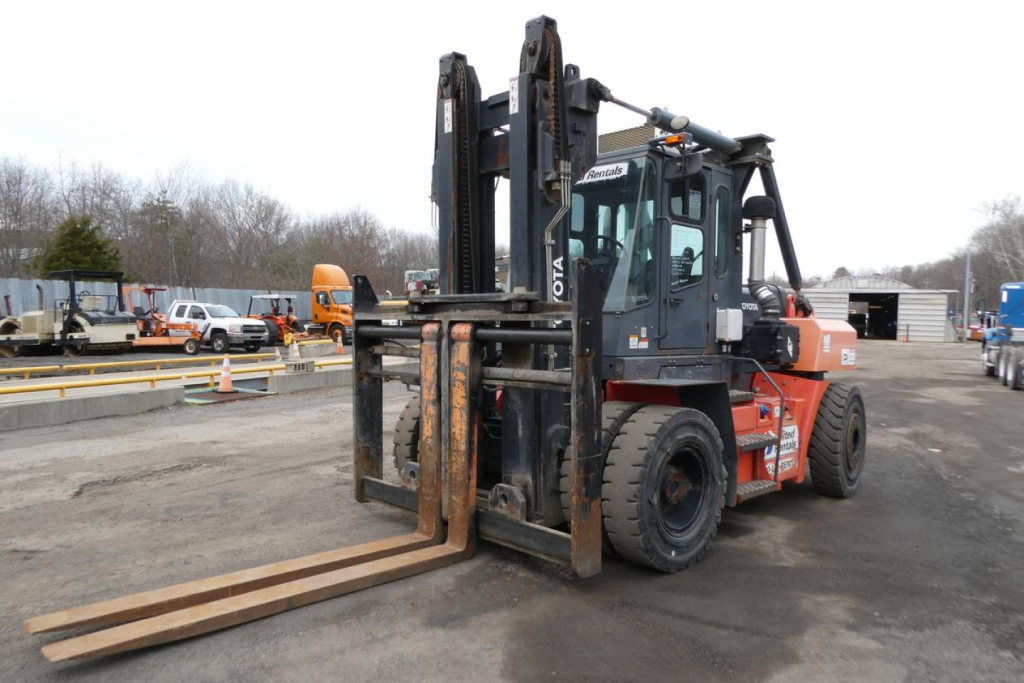
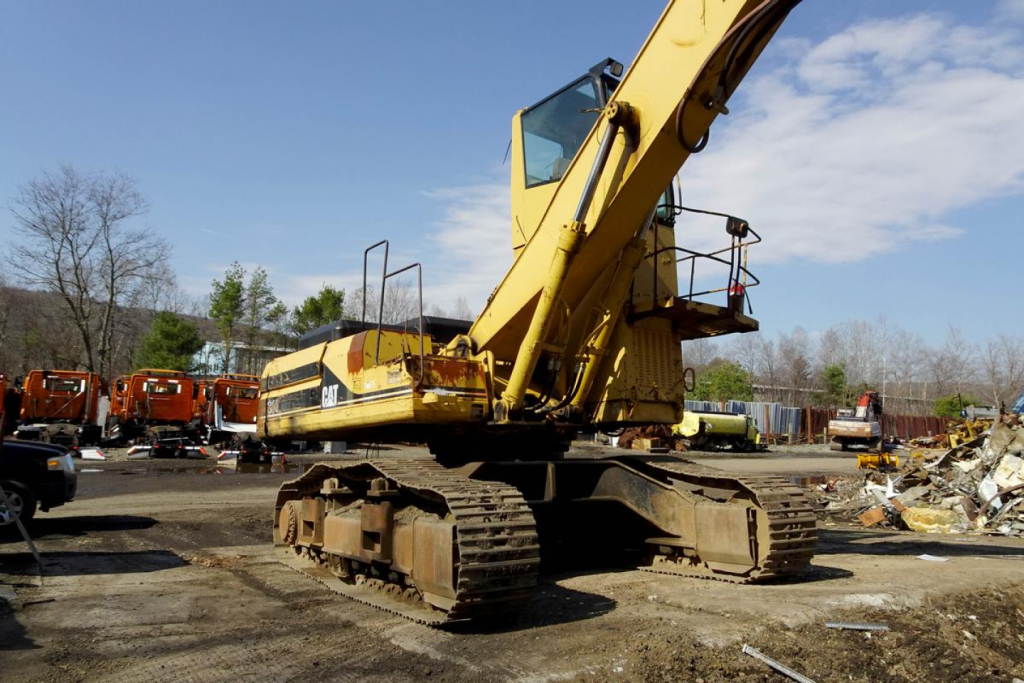
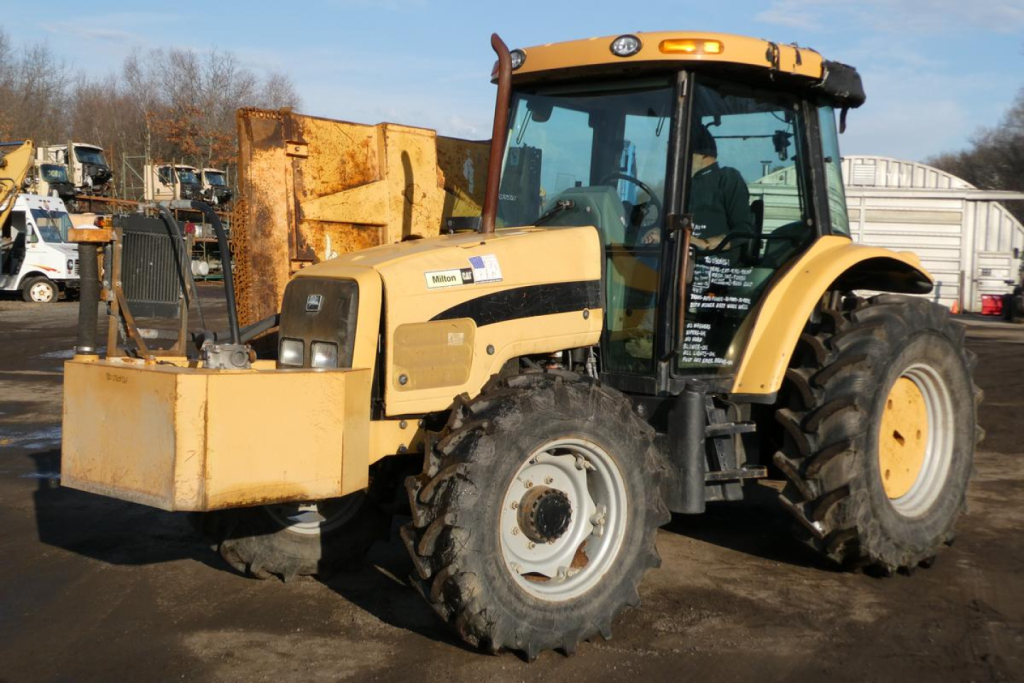
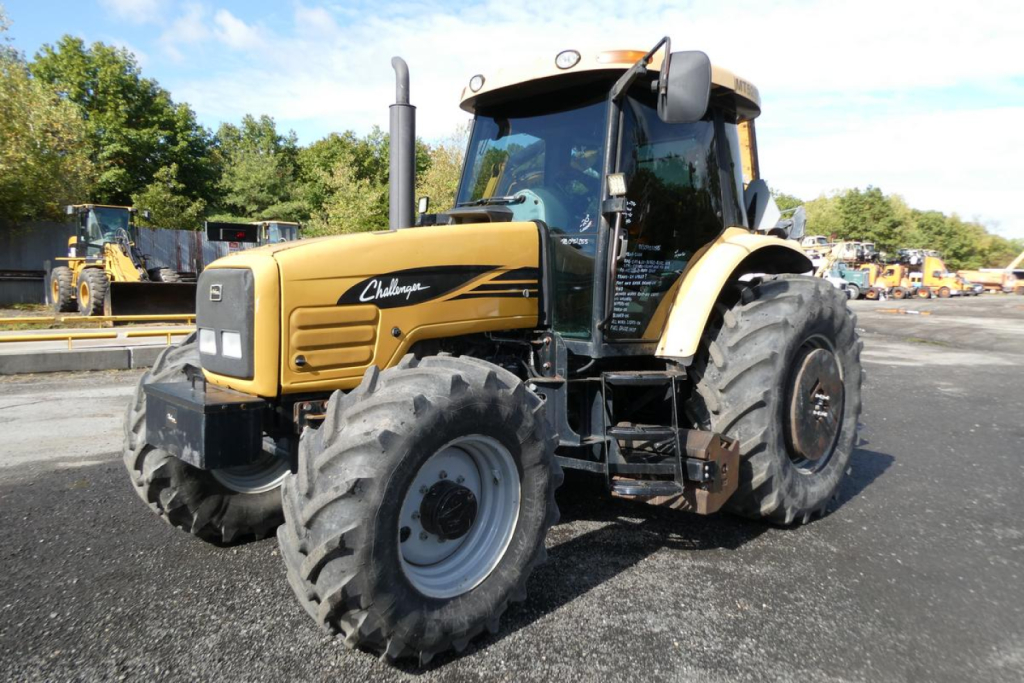
2008 Challenger MT455B
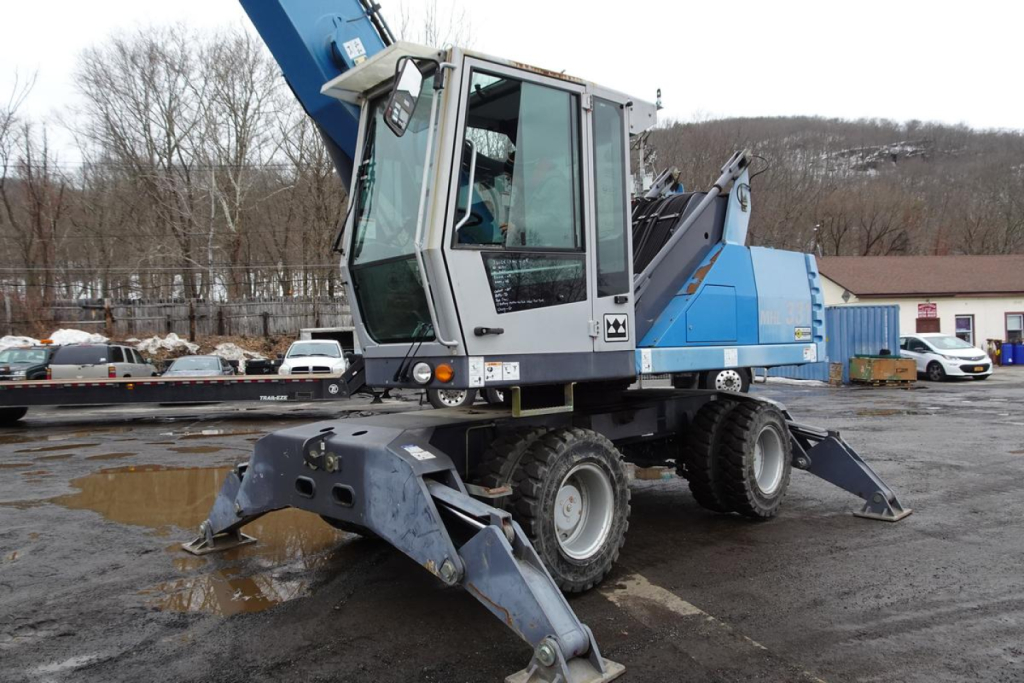

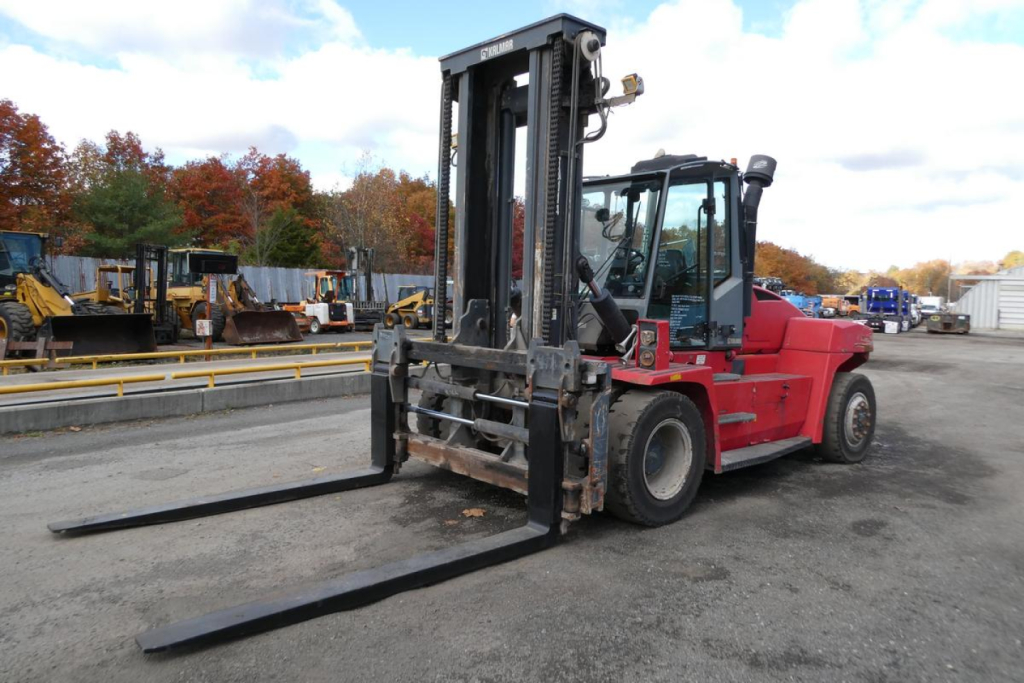
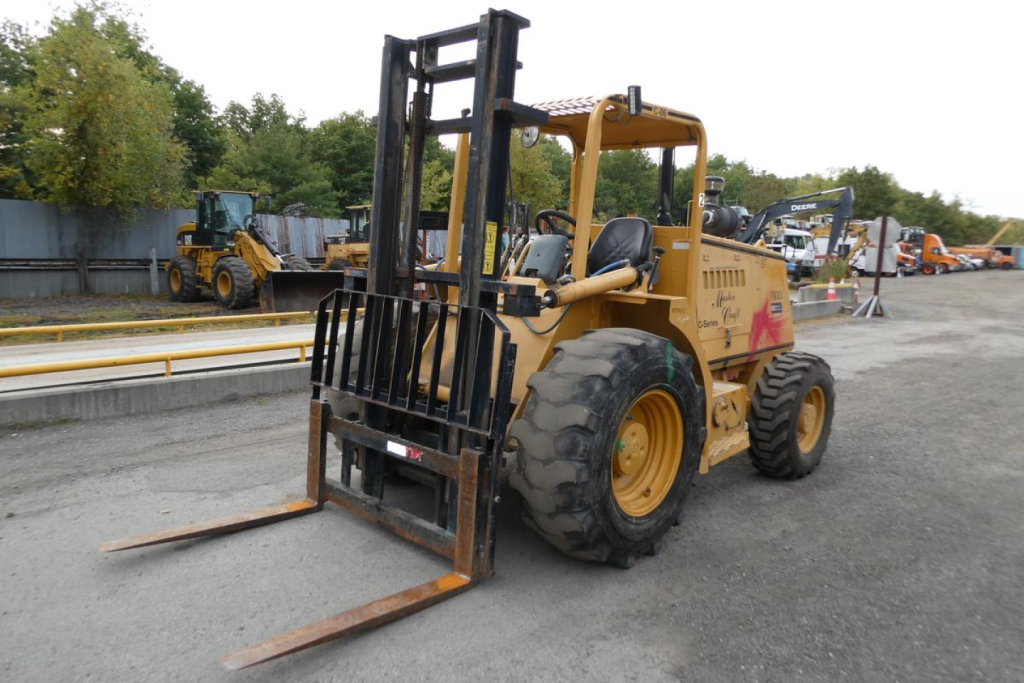
Showing 1 to 12 of 183 results
Have used trucking equipment to sell? List it here to reach thousands of buyers.
About Used Trucking Equipment in New York
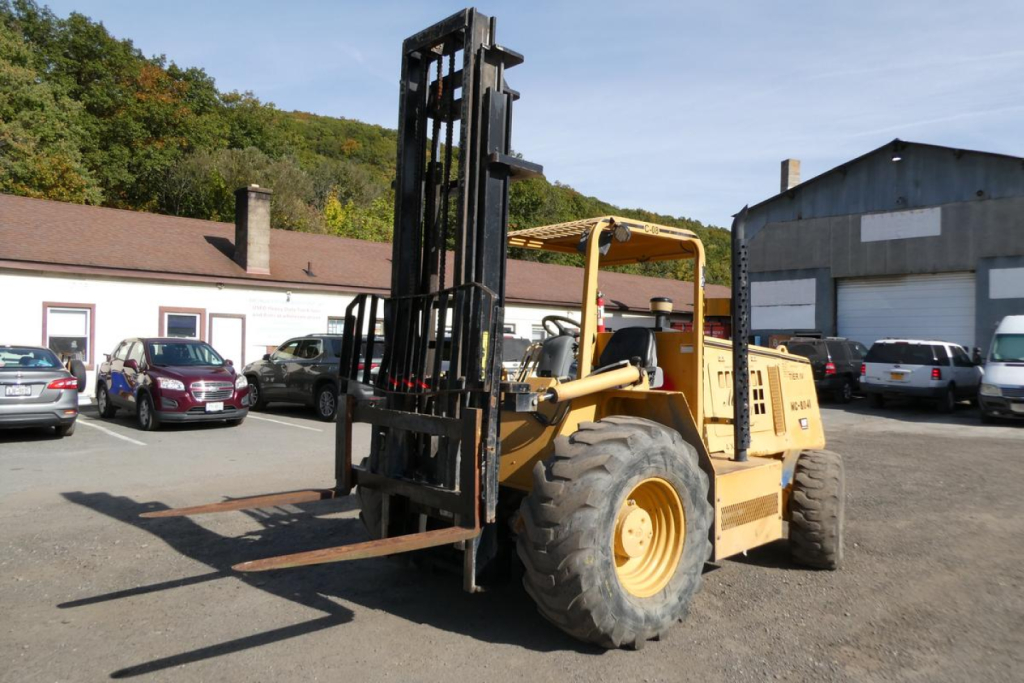
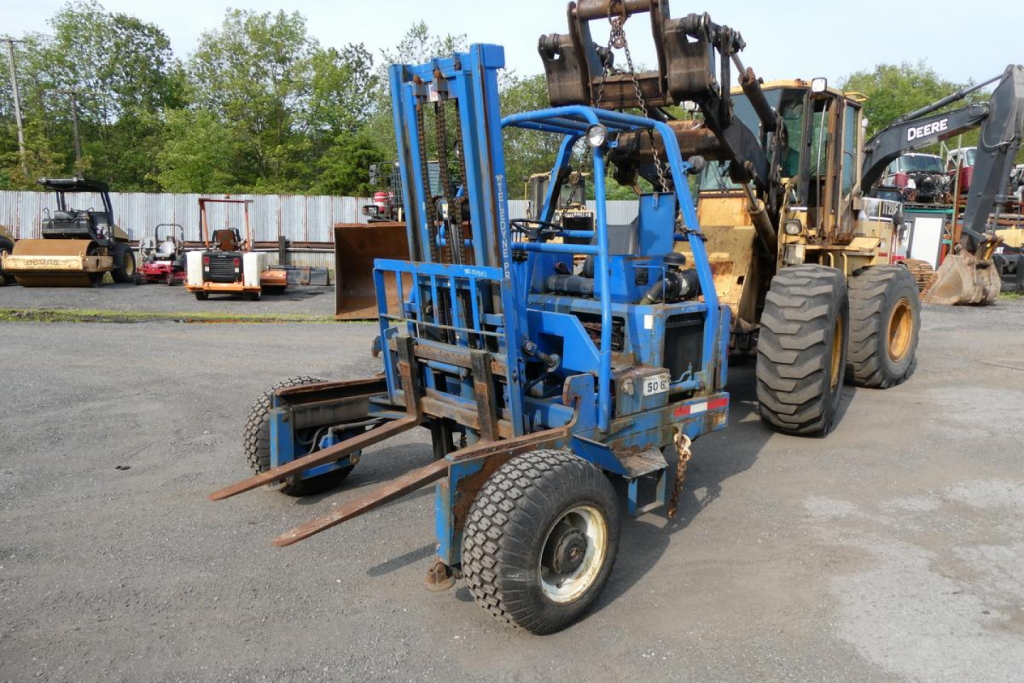
For material handling equipment, the key buying points are lift capacity, mast configuration, fuel type, overall lowered height, and side-shift or auxiliary hydraulic functions. A 4,000 to 5,000 lb forklift is common for palletized freight, shop work, and warehouse support, while solid tires, dual or triple mast setups, and propane power are typical on indoor-outdoor units. On compact loaders and similar support machines, buyers should pay close attention to operating weight, bucket width, auxiliary hydraulics, undercarriage wear, and pin and bushing condition. If the equipment will serve a trucking yard, trailer drop lot, or cross-dock property, ground conditions, turning radius, and loading clearance should be matched to the site before purchase.
Used-condition evaluation is where the value gap usually shows up. Hour meter reading helps, but maintenance history, cylinder condition, drivetrain response, tire or track wear, steering feel, and visible structural repairs are more important than hours alone. On forklifts, inspect mast rollers, chains, carriage wear, tilt cylinder seepage, and fork condition or replacement cost. On loaders and tractors, check hydraulic performance under load, attachment couplers, boom alignment, engine cold-start behavior, and signs of frame or arm damage. In New York, corrosion from winter road treatment and outdoor storage can also affect chassis components, wiring, hydraulic lines, wheels, and operator stations.
Transport and support should be part of the buying decision. Many pieces in this category require a tag trailer, ramps, or dock access for pickup, and the machine's width, height, and weight can determine what truck and trailer combination is needed. Parts support is generally strongest for established makes such as Toyota, Mitsubishi, Caterpillar, Case, and other major industrial brands, which matters for fleets trying to minimize downtime. The best used trucking equipment is the equipment that fits the job cycle, clears the work area, and can be serviced without delay. Capacity, attachment setup, fuel system, and operating condition should all be weighed against the actual demands of your yard, warehouse, dock, or support property.
Frequently Asked Questions
What counts as trucking equipment in this category?
Trucking equipment is a broad category that includes support machines and operational assets used around freight movement, terminals, yards, docks, and fleet properties. That can include forklifts, compact loaders, agricultural or industrial tractors, and other equipment used to load freight, maintain property, move materials, or support day-to-day transportation operations. The category is not limited to highway trucks or trailers. It often includes the machines that keep a trucking business productive off the road.
What should I inspect first on used trucking equipment?
Start with the machine's operating condition, not just the hour meter. Check for cold-start quality, hydraulic response, cylinder leaks or seepage, steering play, brake function, drivetrain engagement, and any signs of structural damage or poor repairs. On forklifts, look closely at the mast, chains, rollers, carriage, and forks. On loaders or tractors, inspect pins, bushings, boom arms, couplers, tires or tracks, and auxiliary hydraulics. A machine with average hours and strong maintenance is usually a better buy than a lower-hour unit with deferred repairs.
How do I choose the right forklift or yard support machine for a trucking operation?
Match the machine to the freight, the site, and the loading environment. Lift capacity should cover the heaviest routine loads with margin for safety, and mast height must fit the rack system, trailer height, or dock setup. Overall lowered height matters for indoor access, while turning radius and machine width matter in tight yards and warehouse aisles. Fuel type also affects the application. Propane is common for indoor-outdoor use, while diesel or other power options may make more sense for outdoor-only work. Side-shift, fork length, and auxiliary valves can make a major difference in daily productivity.
Does used equipment in New York need special consideration?
Yes. New York operating conditions can be hard on equipment due to winter weather, road salt, freeze-thaw cycles, and frequent outdoor storage. Buyers should inspect for corrosion on frames, wheels, brake components, wiring, battery connections, hydraulic tubing, and undercarriage parts. Tires, tracks, and operator compartments also tend to show wear faster in harsh seasonal conditions. If the machine will stay in New York service, traction setup, cold-start reliability, and cab condition can be especially important.
Why do transport dimensions and weight matter when buying used trucking equipment?
Transport logistics can add significant cost and downtime if they are not considered up front. Width, height, operating weight, and whether the unit can self-load affect trailer choice, permit needs, and pickup scheduling. A compact forklift may move easily on a standard equipment trailer, while a heavier loader or tractor may require a larger tag trailer or lowboy setup. Knowing the transport profile before purchase helps avoid delays and ensures the equipment can be moved safely between yards, docks, and job sites.