
Lifts - Scissor For Sale
Used scissor lifts for sale, including electric slab models with platform heights, capacities, dimensions, and jobsite-ready features.
Learn moreBrowse Lifts - Scissor Trucking Equipment by Make
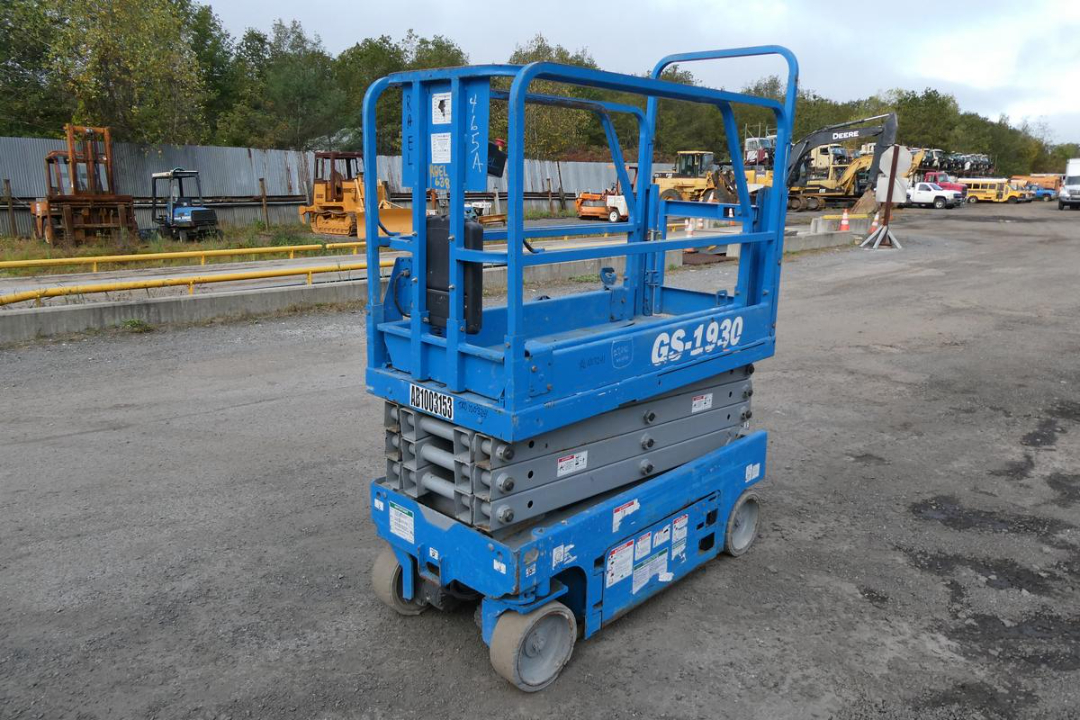
Have lifts - scissor trucking equipment to sell? List it here to reach thousands of buyers.
About Lifts - Scissor
The first buying decision is usually platform height, machine width, and rated capacity. Many compact scissor lifts carry 500 to 800 pounds on the main platform, but the extension deck usually has a lower rating. That matters if two technicians, tools, conduit, or finish materials will be out on the slide-out tray. Platform extensions can be manual or hydraulic, and they make a real difference when you need forward reach over shelving, production lines, or fixed obstacles. Buyers should also compare stowed height, overall length, machine weight, and turning radius because those numbers affect trailer transport, warehouse maneuverability, and floor loading.
Most units in this category use electric drive with hydraulic lift functions, solid non-marking tires, and 2WD configuration. Electric scissor lifts are quieter than engine-powered rough-terrain machines and are preferred for indoor environments where emissions, noise, and floor surface protection matter. Key inspection points on a used machine include battery age and charge cycle performance, hydraulic hose condition, pump seepage, lift cylinder leaks, platform gate and rails, pothole protection system, emergency lowering functions, charger operation, joystick response, and hour meter accuracy. It is also worth checking drive-at-height operation, extension deck rollers, tilt alarm function, and the condition of the scissor stack pivot points and wear pads.
Skyjack, Genie, JLG, and similar brands dominate this category, and parts support is usually strongest on those mainstream models. Buyers comparing listings should pay attention to actual application fit rather than just maximum height. A narrow electric scissor lift that weighs under 4,000 pounds can be a better choice for interior finish work than a taller unit with extra bulk. If the job calls for smooth-slab travel, compact storage, and safe elevated access for one or two workers, a scissor lift is one of the most efficient pieces of support equipment to add to a fleet.
Frequently Asked Questions
What is the difference between platform height and working height on a scissor lift?
Platform height is the height of the floor of the basket or deck. Working height is the approximate reach height of the operator standing on that platform, and manufacturers usually estimate it by adding about 6 feet to the platform height. A 19-foot platform height machine is commonly marketed with a working height near 25 feet. Buyers should confirm which number a listing is using so the lift matches the actual overhead task.
Are most scissor lifts in this category electric or engine powered?
Most compact scissor lifts listed in this category are electric slab machines. They are built for indoor or paved-surface use, with quiet operation, zero on-site exhaust emissions, and solid tires that protect finished floors. Engine-powered rough-terrain scissor lifts are a different class and are generally larger, heavier, and intended for outdoor ground conditions that an electric slab lift is not designed to handle.
How much weight can a compact scissor lift usually carry?
Capacity varies by model, but many narrow electric scissor lifts carry between 500 and 800 pounds on the main platform. The platform extension usually has a reduced rating, often enough for a worker and light materials but not the full deck capacity. Buyers should check both numbers because a lift may meet the height requirement but still fall short on personnel, tool, or material load at the extension.
What should I inspect on a used scissor lift before buying?
Start with the batteries, charger, hydraulic system, and safety functions. Confirm the machine raises smoothly, drives correctly at ground level and at limited height speed, and that the emergency stop, tilt alarm, descent system, and pothole protection all work properly. Look for hydraulic seepage, damaged rails, bent scissor arms, worn extension deck components, and solid tires with even wear. Service history, fault codes, and hour meter reading can also help confirm overall condition.
Why do width and stowed height matter so much on a scissor lift?
Width and stowed height determine where the machine can actually be used and how easily it can be transported. A lift around 30 inches wide may fit through standard commercial door openings and into tighter warehouse aisles, while a lower stowed height can help with trailer loading, storage, and access through limited-clearance areas. These dimensions are often more important in day-to-day use than a small difference in maximum lift height.