
Used Nissan Lifts - Fork For Sale
Browse used Nissan fork lifts for material handling, warehouse, and yard work. Compare lift capacity, fuel type, mast height, tires, and condition.
Learn more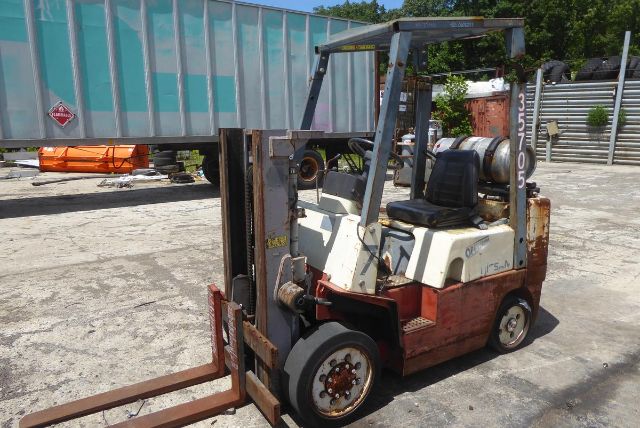
Have used nissan lifts - fork trucking equipment to sell? List it here to reach thousands of buyers.
About Used Nissan Lifts - Fork
Capacity, mast setup, and fuel system should drive the buying decision first. Many used Nissan fork lifts fall into the 3,000 to 5,000 pound class, though heavier units are also found. A buyer should confirm the data plate rating at the actual load center, not just the advertised maximum capacity. Mast style matters just as much. Two-stage and three-stage masts affect collapsed height, maximum lift height, and visibility. If the truck will be used inside trailers, under low doors, or in racking aisles, overall lowered height and free lift are important numbers to verify. Common attachment points include side shift, fork positioners, and standard carriage setups, all of which affect usable capacity.
On used Nissan forklifts, engine condition and transmission response deserve close attention. Propane units are common because they are easy to refuel, cleaner-running than older gasoline designs, and well suited to indoor-outdoor duty cycles. Buyers should check cold starts, idle quality, hydraulic performance under load, radiator condition, and any signs of engine blow-by or coolant contamination. Solid tires are typical on warehouse-oriented units, while pneumatic tires fit rougher yards and outdoor surfaces better. Brake feel, steer axle wear, mast chain condition, carriage rollers, tilt cylinder seals, and fork thickness all tell a lot about how hard a machine has worked.
A used Nissan fork truck can be a good fit for buyers who value straightforward operation, broad parts familiarity, and proven performance in repetitive loading work. The best unit is not just the one with the lowest hours. It is the one with the right mast, tire type, fuel system, and service history for the job. For freight terminals, pallet handling, dock work, and general warehouse movement, Nissan forklifts remain a relevant option in the used market when the machine has been matched correctly to load weight, operating surface, and lift height requirements.
Frequently Asked Questions
What should I check first on a used Nissan fork lift?
Start with the capacity plate, mast type, and fuel system because those determine whether the truck fits the job. After that, inspect engine condition, hydraulic lift and tilt performance, transmission engagement, steer axle wear, mast chains, carriage rollers, and tire type. On a used unit, visible signs of coolant issues, hard starting, weak lift speed, fork wear, or structural repairs around the overhead guard and mast are all worth close review.
Are Nissan forklifts commonly propane-powered?
Yes. Many used Nissan forklifts on the market are propane models, especially units used in warehouse and mixed indoor-outdoor applications. Propane forklifts are popular because refueling is quick, emissions are generally lower than older gasoline units, and the engines are well suited to repetitive stop-and-go loading cycles. Buyers should still inspect the fuel system, regulator, hoses, and cold-start behavior before purchase.
How do I choose the right mast for a used fork truck?
Choose the mast based on both maximum lift height and lowered overall height. A three-stage mast may be necessary for higher stacking and trailer loading where clearance matters, while a two-stage mast can be simpler and offer good visibility for general yard use. Free lift is important if the truck will work inside trailers or low-clearance buildings. Always confirm that the mast and any attachments do not reduce practical capacity below your required load.
What tire type is best on a used Nissan forklift?
Cushion tires are common for smooth warehouse floors and tighter turning indoors, while pneumatic tires are better for uneven pavement, gravel, and outdoor yard work. Solid tires can reduce flats and maintenance in high-debris areas, but ride quality and surface conditions still matter. The right tire setup depends on the floor, load weight, and how often the truck transitions between dock, warehouse, and yard.
Do hours tell the full story on a used Nissan fork lift?
No. Hour meter readings are useful, but maintenance history and operating condition matter more. A higher-hour forklift with documented service, strong compression, clean hydraulics, and good mast components can be a better buy than a lower-hour unit with cooling system problems, worn forks, leaking cylinders, or neglected tires and brakes. Buyers should treat hours as one data point, not the only measure of remaining value.