
Kawasaki Trucking Equipment For Sale
Browse Kawasaki trucking equipment for sale, including diesel utility vehicles and specialty support units built for yard, plant, and site work.
Learn moreBrowse Kawasaki Trucking Equipment by Category
Have kawasaki trucking equipment to sell? List it here to reach thousands of buyers.
About Kawasaki Trucking Equipment
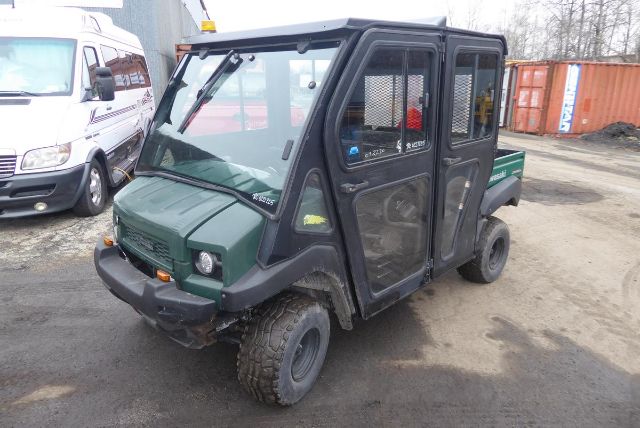
One of the first things to check is the drivetrain and operating layout. Many Kawasaki units in this class use compact diesel engines, hydrostatic transmissions, and 4WD, which makes them practical for stop-and-go duty, uneven ground, and tight jobsite circulation. Cab configuration matters because some units are open-station while others have enclosed cabs with heat, power steering, and multi-passenger seating. Bed size, payload rating, overall width, and turning radius are usually more important than top speed. A buyer comparing listings should also pay attention to tire size, hitch setup, hydraulic or electric accessory provisions, and how easily the unit can move through gates, warehouses, barns, terminals, or industrial corridors.
Condition should be judged by hours and use type as much as by model year. A low-speed Kawasaki support vehicle that spent its life on paved facilities can be a very different buy from one used on rough ground or in corrosive environments. Look closely at steering components, driveline engagement, hydrostatic response, brake feel, suspension wear, bed floor condition, and cab integrity if equipped. On diesel models, cold-start behavior, smoke under load, and evidence of regular fluid and filter service tell you more than cosmetics alone. Parts support, interchangeability, and the intended duty cycle should also factor into the purchase, especially if the machine will be used daily in a fleet setting.
For buyers searching Kawasaki trucking equipment for sale, the key is matching the unit to the job instead of expecting highway-truck capability. These vehicles are best suited for internal transport, grounds support, facility maintenance, and short-route hauling of people, tools, and light materials. If your operation needs a compact utility platform with better weather protection, passenger capacity, and off-pavement traction than a standard cart, this category can be a practical fit. The right choice usually comes down to diesel versus gas, enclosed cab versus open configuration, 2WD versus 4WD, and bed utility versus passenger-focused layout.
Frequently Asked Questions
What kind of trucking equipment does Kawasaki usually appear in?
Kawasaki is most commonly seen in specialty utility vehicles and compact support equipment rather than Class 8 highway trucks or standard semi-trailers. These units are typically used for yard transport, maintenance operations, municipal property work, plant support, and light-duty hauling. Many have cargo beds, towing capability, multi-passenger seating, and compact dimensions that make them useful in confined work areas.
Are Kawasaki utility vehicles suitable for fleet or terminal use?
Yes, if the job involves low-speed movement of personnel, tools, parts, or light materials around a controlled property. They are a good fit for terminals, industrial sites, campuses, farms, and maintenance departments where maneuverability and ease of entry matter more than road speed. Buyers should confirm payload capacity, bed dimensions, hitch rating, and cab protection to make sure the machine matches the daily duty cycle.
What specifications matter most when comparing Kawasaki equipment listings?
The most important specs are engine type, transmission style, drive configuration, seating capacity, bed size, GVW or payload capability, and overall dimensions. For many buyers, enclosed cab features such as heat and power steering are also major factors because they affect year-round usability and operator comfort. Hours, tire condition, 4WD operation, and hydrostatic performance are also important because they directly affect service life and operating cost.
Is a diesel Kawasaki model a better choice than a gas model?
A diesel model is often preferred for commercial property use because it typically offers strong low-speed torque, efficient fuel consumption, and good durability in repetitive work cycles. That said, the better choice depends on service availability, climate, operating hours, and existing fleet standardization. If the machine will be used heavily for towing, hauling, or daily site operations, diesel is often the more practical long-term choice.
What should I inspect on a used Kawasaki work vehicle?
Focus on signs of actual work wear instead of relying on appearance alone. Check engine starting and idle quality, hydrostatic engagement, 4WD function, steering looseness, brake response, tire wear, bed damage, frame condition, and cab sealing if enclosed. Also review hour meter accuracy, service history, and evidence of use in rough terrain, corrosive environments, or neglected maintenance programs, since those factors can affect reliability more than age alone.