
Trucking Equipment For Sale Near Hemet, California
Browse trucking equipment for sale in Hemet, California, including vocational trucks, specialty bodies, and support equipment for fleet operations.
Learn more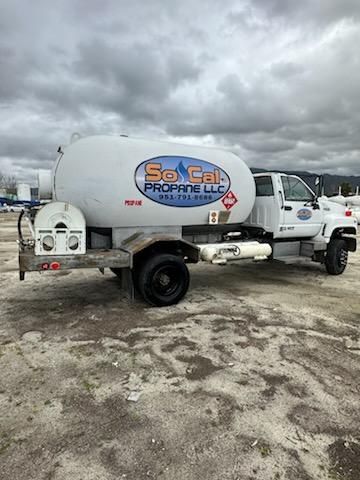
Have trucking equipment to sell? List it here to reach thousands of buyers.
About Trucking Equipment Near Hemet, California
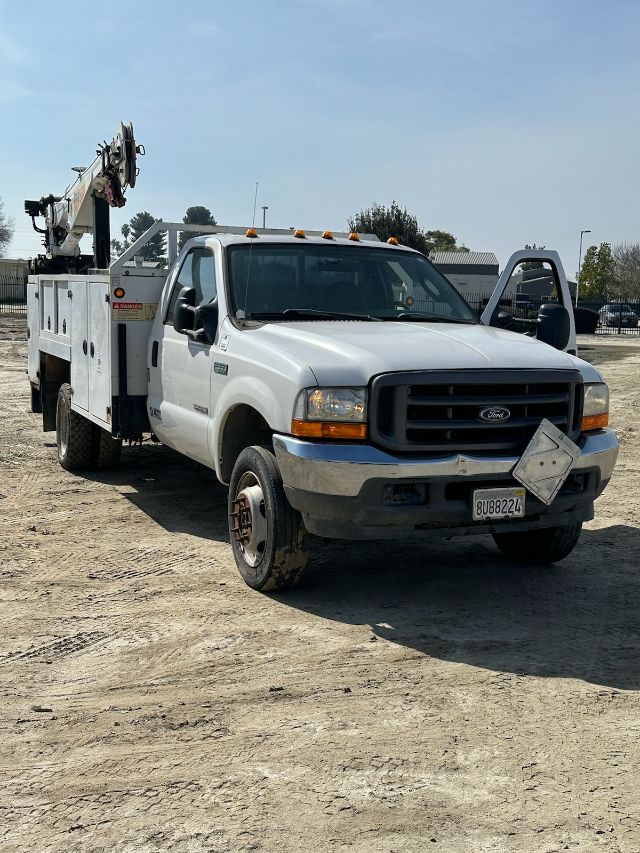
In Southern California markets like Hemet, equipment condition matters as much as base specifications. Dry climate can be easier on cab sheet metal and frames, but vocational trucks still need close inspection for hydraulic leaks, boom wear, tank certification status, pump condition, wiring repairs, and signs of hard idle-time use. For medium-duty platforms such as Ford F-550, Chevrolet Kodiak, and similar work trucks, common checkpoints include GVWR, brake type, tire size, service body or platform integrity, and how well the engine and transmission match the intended duty cycle. If the truck carries a mounted system such as an aerial device, compressor, welder, or tank, buyers should verify that the upfit is still appropriate for current operating needs and compliant with applicable inspection requirements.
Specialty trucking equipment often holds value in the body or mounted apparatus more than in the chassis itself. A tank truck, service truck, aerial unit, or municipal-style support vehicle may be worth buying if the vessel, boom, outriggers, plumbing, or PTO-driven system is sound, even when the truck is older. That said, buyers should review serial plates, tank data, pressure ratings, maintenance records, and any recertification history before making a decision. Parts support is another practical issue. Older vocational equipment can be very cost-effective, but only if replacement hydraulic components, hoses, pumps, control valves, and chassis parts are still reasonably available.
The best trucking equipment purchase is the one that fits the work without excessive retrofit cost. A buyer comparing listings should think in terms of total readiness: drivability, safety compliance, body condition, upfit functionality, and how quickly the unit can be put into service. If the application involves utility work, liquid hauling, property maintenance, field service, or municipal support, details like PTO operation, auxiliary power, storage layout, ladder racks, boom reach, tank capacity, and operating pressure often matter more than odometer alone. A well-matched vocational truck can deliver years of useful service, but only if the chassis and the equipment mounted on it are evaluated as one working system.
Frequently Asked Questions
What counts as trucking equipment in this category?
This category usually includes vocational and specialty trucks that do more than basic freight hauling. Examples include utility trucks, aerial lift trucks, service trucks, tank units, municipal support vehicles, and other work-oriented equipment built around a truck chassis. The exact value of these units often depends on both the truck and the mounted equipment, so buyers should evaluate the complete package rather than focusing only on the cab and engine.
What should I inspect first on used trucking equipment?
Start with the job-critical systems. Confirm the chassis is structurally sound, the engine and transmission operate correctly, and the brakes, tires, and steering are serviceable. Then inspect the mounted equipment closely, including PTO operation, hydraulics, pumps, booms, outriggers, tanks, valves, wiring, and controls. On specialty units, deferred maintenance in the auxiliary system can be more expensive than normal chassis repairs.
Is older vocational trucking equipment still worth buying?
Older equipment can be a strong value if the application is narrow and the unit has been maintained properly. Many buyers accept higher age on specialty trucks because the replacement cost of a service body, tank, or aerial device is high. The key is verifying that parts are still available, the mounted equipment remains functional, and any required certifications, inspections, or pressure documentation are current where applicable.
How important is GVWR and axle rating when comparing trucking equipment listings?
GVWR and axle ratings are fundamental because they determine how much the truck can legally and safely carry once the body, tools, fluid, and crew are onboard. A truck may look suitable on paper, but an upfit such as a lift, service body, or tank can consume a large share of available payload. Buyers should compare empty weight, intended cargo or fluid load, and axle distribution before choosing a unit.
Why do mounted components matter as much as the truck itself?
On many vocational trucks, the body or apparatus is the revenue-producing part of the asset. Aerial systems, tanks, compressors, cranes, and service bodies can be costly to replace or reconfigure. If those components are worn out, mismatched to the application, or unsupported by parts availability, a low purchase price on the chassis may not be a good value. The most dependable buying decision comes from treating the truck, body, and auxiliary systems as one integrated machine.