
Clark Trucking Equipment For Sale
Shop Clark trucking equipment for sale, including heavy-duty forklifts known for solid lift capacity, simple serviceability, and durable industrial design.
Learn moreBrowse Clark Trucking Equipment by Category
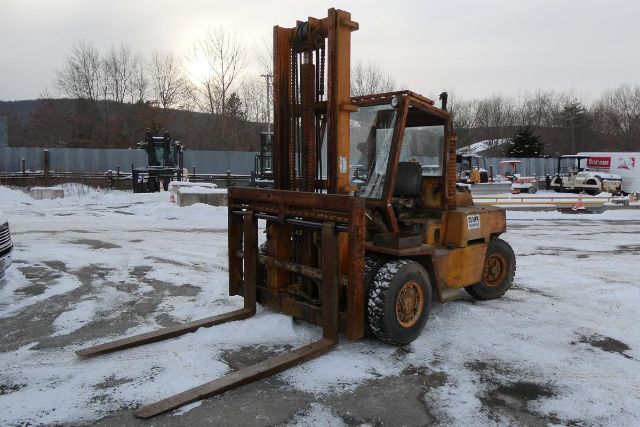
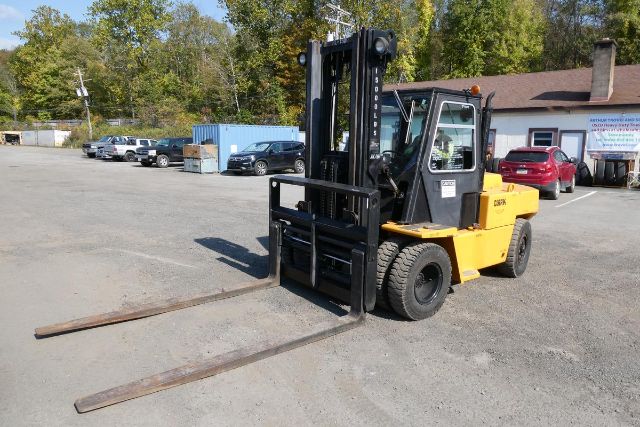
Have clark trucking equipment to sell? List it here to reach thousands of buyers.
About Clark Trucking Equipment
A major buying decision in this category is lift capacity and mast configuration. Clark units can range from lighter warehouse forklifts up to heavier pneumatic-tire models suited for outdoor yard work and rougher surfaces. Common points to check include rated capacity, load center, fork length, mast type, collapsed mast height, maximum lift height, side shift, and fork positioners. For operations handling pipe, lumber, machinery, or bundled freight, pneumatic tires, a wider stance, and higher-capacity front axles usually matter more than compact indoor specs. If the forklift will be used around trailers or in mixed indoor-outdoor service, buyers should also pay attention to turning radius, overall width, and cab or overhead guard clearance.
Powertrain and hydraulic condition are usually the biggest value drivers on a used Clark forklift. Many older units use simple diesel engines, often with mechanical injection, paired with durable automatic or powershift-style transmissions. That can be a benefit for buyers who want a machine that is easier to diagnose and repair without specialized electronics. Hydraulic performance is just as important as engine condition. Mast lift, tilt, side shift, carriage wear, hose condition, cylinder sealing, brake performance, steer axle response, and parking brake function should all be evaluated closely. On larger-capacity forklifts, tire condition and wheel hardware also deserve attention because replacement cost is not minor.
Clark equipment has long been popular with buyers who need an industrial forklift that can load trucks, move palletized freight, handle steel or building materials, and work in open yards. When comparing listings, focus on actual application fit rather than just purchase price. A lower-hour machine with the wrong mast, fork setup, or tire type can be less useful than a higher-hour unit already configured for the loads and surfaces you deal with every day. Service records, attachment compatibility, and the availability of replacement wear parts should carry real weight in the decision.
Frequently Asked Questions
What should I look for first when buying a used Clark forklift?
Start with rated lift capacity, mast height, and the machine’s actual application. Those three items determine whether the forklift can safely handle your loads and operate in your available space. After that, inspect engine starting, transmission engagement, hydraulic lift and tilt speed, side shift function, brake performance, steer axle response, mast rail wear, chain condition, and tire type. On older Clark forklifts, mechanical simplicity can be a strength, but wear in the hydraulics, brakes, and mast assembly usually matters more than cosmetic appearance.
Are older Clark forklifts still a practical buy?
Yes, many older Clark forklifts remain practical if the machine has been maintained and the specifications fit the job. Clark built many industrial forklifts with durable frames, proven diesel or LPG engines, and relatively simple driveline and hydraulic systems. That makes them appealing to buyers who value serviceability and lower acquisition cost. The key is to verify parts availability for the specific model, inspect for mast and cylinder wear, and confirm that brakes, steering, and transmission function correctly under load.
What is the difference between cushion-tire and pneumatic-tire Clark forklifts?
Cushion-tire Clark forklifts are generally intended for smooth indoor floors and tighter warehouse maneuvering. Pneumatic-tire models are better suited for outdoor yards, uneven pavement, gravel, and mixed-surface work around trailers and loading areas. Buyers handling lumber, pipe, machinery, or heavy palletized freight outside typically prefer pneumatic tires because they offer better ground clearance and stability on rougher surfaces. The correct tire type affects ride quality, traction, maintenance cost, and where the forklift can safely operate.
How important are side shift and fork positioners on a Clark forklift?
They are highly valuable if the forklift will handle varied pallet widths, irregular freight, or repeated trailer loading. Side shift allows the operator to make precise lateral adjustments without repositioning the entire machine, which improves productivity and reduces contact damage. Fork positioners save time when handling loads of different widths and can be especially useful in industrial yards or freight handling operations. These attachments add versatility, but buyers should inspect them carefully for cylinder leaks, carriage wear, and smooth hydraulic operation.
What capacity Clark forklift is typical for yard and truck-loading work?
The right capacity depends on load weight, load center, and attachment setup, but many yard and truck-loading operations look at mid-range to heavy-capacity forklifts rather than light warehouse units. A machine rated around 8,000 to 15,000 pounds is common for heavier industrial freight, building materials, or equipment handling. Buyers should remember that usable capacity changes with load height, mast configuration, and attachments such as side shift or fork positioners. Always match the forklift’s data plate and load chart to the real weight and dimensions of the material being moved.