
Used Chevrolet Trucking Equipment For Sale
Browse used Chevrolet trucking equipment, including medium-duty and vocational trucks known for durable chassis, serviceability, and parts support.
Learn moreBrowse Chevrolet Trucking Equipment by Category
Have used chevrolet trucking equipment to sell? List it here to reach thousands of buyers.
About Used Chevrolet Trucking Equipment
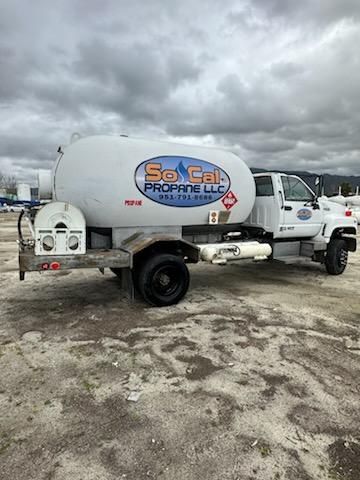
A buyer comparing used Chevrolet commercial trucks should start with GVWR, axle ratings, wheelbase, brake type, and engine-transmission pairing. Many Chevrolet vocational trucks from earlier generations were built for regional and jobsite use, so frame condition, suspension wear, PTO function, and body mounting integrity matter as much as engine hours or odometer readings. If the truck carries specialized equipment such as a tank, hoist, compressor, crane, or utility body, inspect the upfit separately from the chassis. Tank certification, shell thickness, pressure rating, pump condition, valve operation, and any DOT or ICC specification details can be just as important as the truck itself when the unit is intended for regulated hauling or field service work.
Chevrolet medium-duty trucks appeal to many buyers because parts availability is generally manageable, the controls are familiar, and many units were built with proven gas or diesel drivetrains that independent shops still know well. Older used Chevrolet trucking equipment can be a practical choice for fleets that want a lower acquisition cost for seasonal, backup, farm, or local delivery duty. Cab condition, electrical integrity, cooling system health, steering play, and brake system service history deserve close attention, especially on trucks that have spent years in stop-and-go service or in corrosive environments.
The best used Chevrolet commercial equipment is the unit that matches the job without leaving you overloaded, underpowered, or stuck with an obsolete body configuration. A flatbed or stake setup may suit local materials hauling, while a tank-equipped chassis needs closer review of compliance, intended product, and safe operating limits. Buyers should also confirm title status, registration class, current inspection requirements, and whether the truck can still be supported economically in their region. For many operations, a used Chevrolet work truck remains a sensible option when the chassis is sound, the body is job-ready, and the spec fits the route and payload.
Frequently Asked Questions
What should I check first on used Chevrolet trucking equipment?
Start with the chassis fundamentals: GVWR, axle ratings, frame condition, suspension wear, brake system type, tire condition, and engine-transmission combination. On a used Chevrolet vocational truck, the body or mounted equipment often determines the truck's value, so inspect tanks, beds, hoists, PTO systems, pumps, or utility components separately from the cab and drivetrain. Service records, evidence of corrosion, and signs of overloading are usually more important than paint or interior cosmetics.
Are older Chevrolet Kodiak trucks still practical for commercial use?
Yes, many older Chevrolet Kodiak and similar medium-duty Chevrolet trucks are still practical for local and vocational work when they have been maintained properly. They are commonly used in farm service, municipal work, construction support, and specialty body applications because the chassis is straightforward and many repair shops are familiar with them. The key is confirming that parts support, brake components, steering parts, and drivetrain service are still realistic for your operating area and workload.
How do I evaluate a used Chevrolet truck with a tank body or specialty upfit?
Inspect the mounted equipment as if it were its own asset. For a tank unit, review capacity, pressure rating, shell thickness, temperature limits, certification markings, valve condition, pump operation, and any testing or inspection documentation. For any specialty upfit, check the PTO, hydraulic functions, subframe mounting, wiring quality, and structural condition. A sound Chevrolet chassis does not automatically mean the attached equipment is compliant, safe, or ready for work.
Is a used Chevrolet commercial truck better for local routes than long-haul work?
In many cases, yes. Most used Chevrolet trucking equipment on the market is configured for medium-duty, regional, or vocational applications rather than over-the-road linehaul. These trucks are often best suited to shorter routes, jobsite travel, municipal service, local delivery, and seasonal work where maneuverability and body configuration matter more than sleeper space or highway gearing. Final suitability depends on axle ratio, powertrain, wheelbase, payload, and the type of body installed.
Why do buyers still consider used Chevrolet work trucks?
Buyers continue to consider used Chevrolet work trucks because they can offer a lower entry cost, familiar controls, and practical chassis designs for many commercial tasks. They are often attractive for owner-operators, farms, contractors, and smaller fleets that need a job-specific truck rather than a newer high-cost replacement. The best value usually comes from a unit with a clean frame, solid maintenance history, and an upfit that already matches the intended application.