
2021 Trucking Equipment For Sale
Browse 2021 trucking equipment listings including trailers, lifts, loaders, and support gear. Compare specs, applications, and buying considerations.
Learn morePopular Trucking Equipment Categories
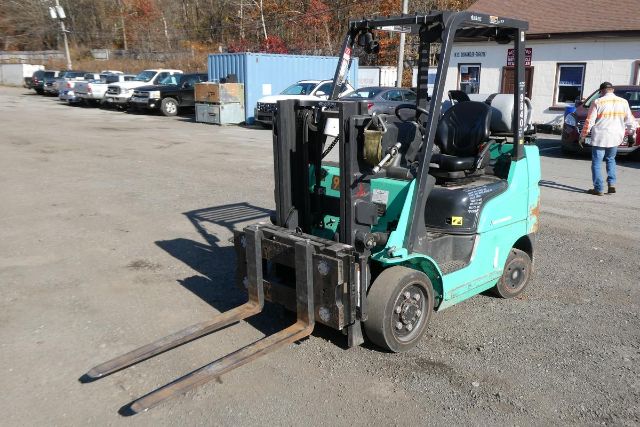
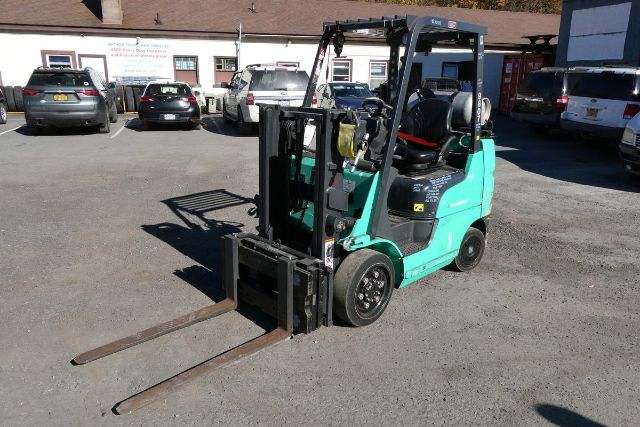
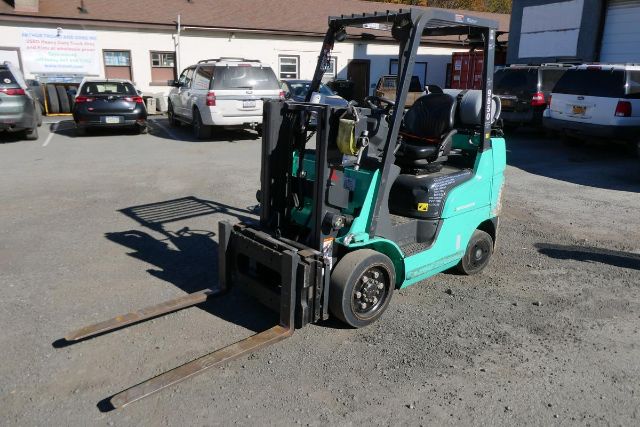
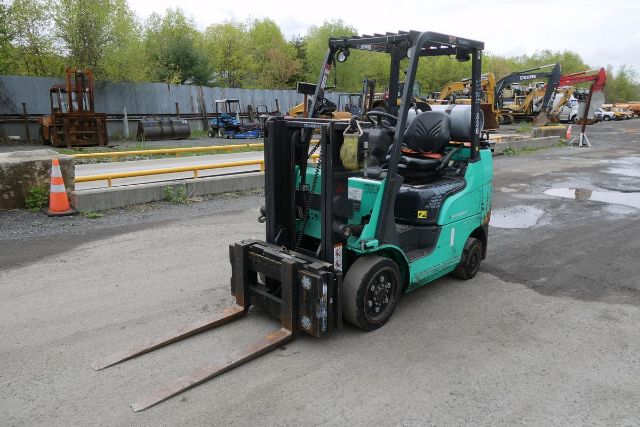
Have 2021 trucking equipment to sell? List it here to reach thousands of buyers.
About 2021 Trucking Equipment
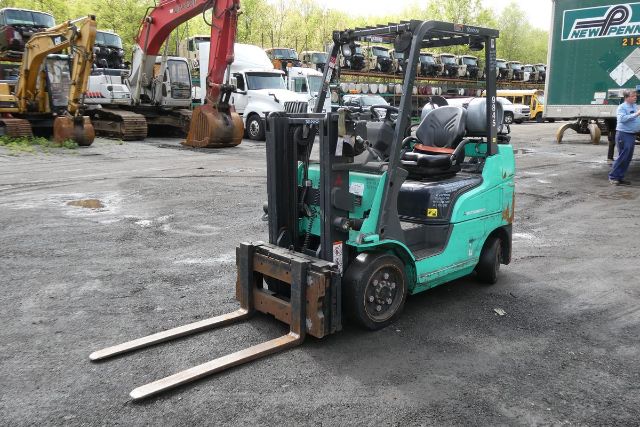
The right buying decision usually starts with application, not brand. A warehouse or dock operation may focus on lift capacity, mast configuration, side shift, turning radius, fuel type, and solid versus pneumatic tires on a forklift. A yard, aggregate, or site-prep operation may care more about breakout force, auxiliary hydraulics, quick coupler setup, bucket or fork compatibility, 4WD, and operating weight on a loader or backhoe. Transport dimensions also matter. Overall width, shipping height, machine weight, and attachment size can affect trailer selection, permitting, and how easily the equipment moves between jobs.
Condition and service history are especially important in used 2021 trucking equipment. Buyers should verify engine hours, cold-start behavior, hydraulic performance, transmission engagement, steering response, brake feel, and any fault codes or warning lights. On material handlers and lifts, inspect mast wear, carriage play, fork condition, tilt cylinder seals, and chain condition. On loaders and backhoes, look closely at pins and bushings, center articulation or boom wear, cylinder seepage, tire condition, and signs of hard use around frames and attachment mounts. If the machine will support a trucking business directly, uptime matters more than cosmetic appearance.
A strong 2021 unit should match the job with minimal compromise. Propane forklifts remain common for indoor-outdoor use, diesel equipment is still preferred for heavier ground-engaging work, and enclosed cabs, auxiliary valves, quick-attach systems, and hydraulic side shift can make a measurable difference in productivity. Buyers comparing 2021 trucking equipment should weigh capacity, attachment fit, operating environment, serviceability, and parts support before focusing on price alone. The best choice is the machine that fits the daily workload, can be transported legally and efficiently, and has the remaining life to deliver dependable service.
Frequently Asked Questions
What counts as 2021 trucking equipment?
2021 trucking equipment is a broad category that typically includes commercial support machines used in freight, warehouse, yard, and site operations. That can mean forklifts, wheel loaders, backhoes, yard support equipment, and other machines that help load, move, stage, or handle materials connected to trucking operations. The shared focus is utility for commercial transport businesses, terminals, and work yards rather than over-the-road power units alone.
What should I check first on used 2021 trucking equipment?
Start with hours, overall condition, and application fit. After that, inspect the powertrain, hydraulics, steering, brakes, tires, and any active warning lights or stored fault codes. On lift equipment, pay close attention to mast operation, side shift function, chain wear, fork condition, and cylinder leaks. On loaders or backhoes, inspect pins and bushings, articulation points, bucket or attachment wear, and hydraulic seepage. A machine that starts easily, operates smoothly, and shows consistent maintenance is usually a better buy than one with lower hours but poor care.
Is 2021 model year equipment a good value compared with new?
For many buyers, yes. A 2021 model often offers modern controls, updated safety systems, and newer drivetrain or emissions technology while avoiding the highest upfront cost of brand-new equipment. It can be a practical middle ground for fleets and owner-operators that need dependable support equipment without tying up excessive capital. The real value depends on maintenance history, parts availability, and how closely the machine matches the intended workload.
How do I choose between propane, diesel, and other power options in this category?
Fuel choice should be based on operating environment and duty cycle. Propane is common on forklifts that move between indoor and outdoor work because refueling is quick and emissions are generally easier to manage in mixed-use settings. Diesel is usually the better fit for heavier outdoor work, longer run times, and ground-engaging applications like loading or excavation. Electric options can make sense in some warehouse settings, but buyers should weigh battery condition, charging infrastructure, and runtime requirements before committing.
Why do transport dimensions matter when buying trucking equipment?
Transport dimensions directly affect hauling cost, trailer choice, loading method, and regulatory compliance. Machine weight, overall width, cab or mast height, and attachment length can determine whether the equipment can move on a standard trailer or needs special handling. Buyers that plan to relocate equipment between terminals, jobs, or customer sites should confirm shipping length, height, and operating weight early in the process. A machine that fits the work but is expensive or difficult to move can reduce its overall value.