
2018 Trucking Equipment For Sale
Shop 2018 trucking equipment listings including trucks, trailers, and support units. Compare specs, applications, emissions, and operating costs.
Learn morePopular Trucking Equipment Categories
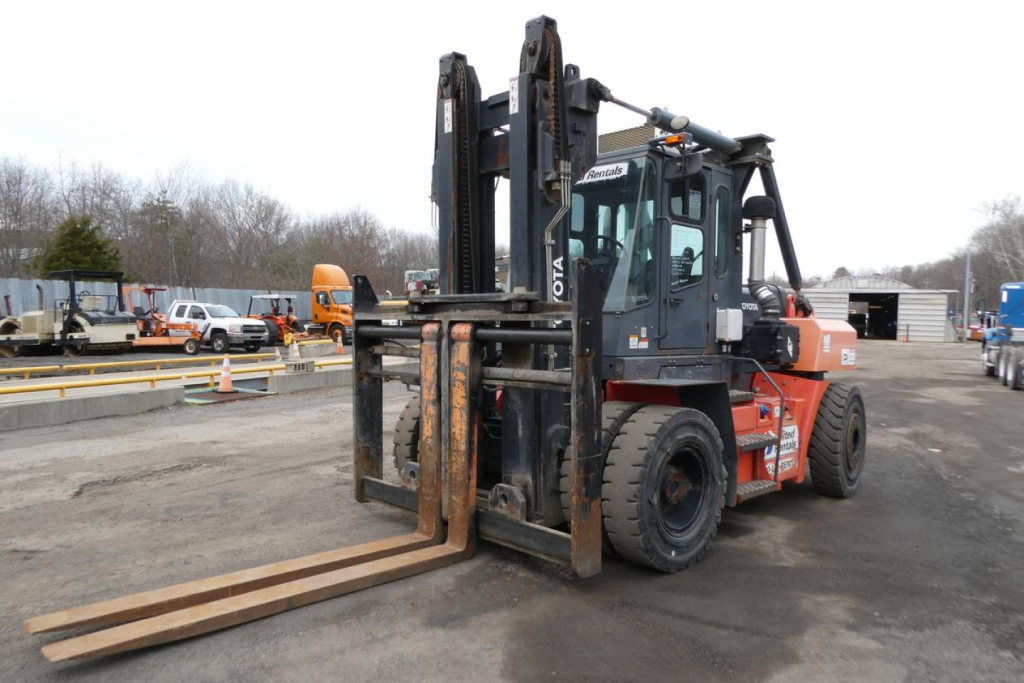
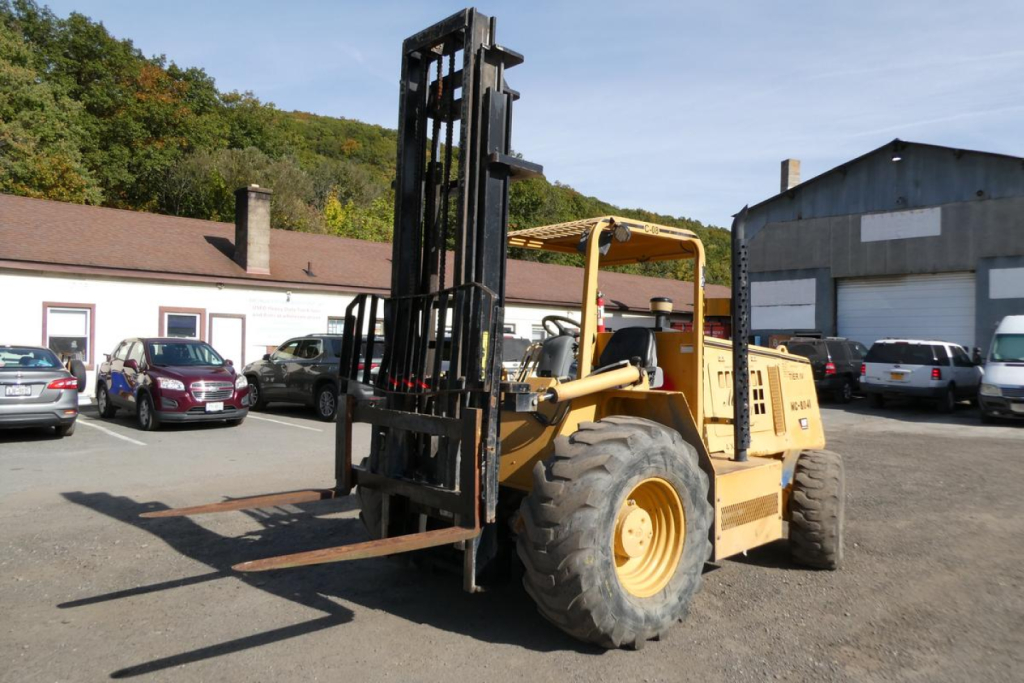
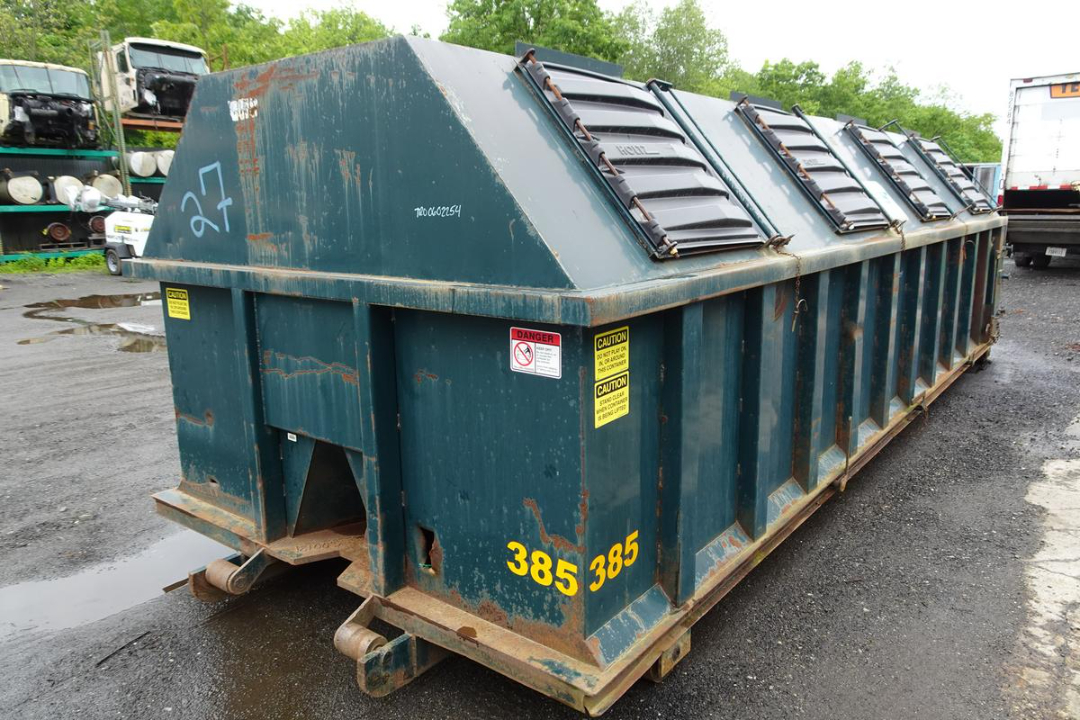
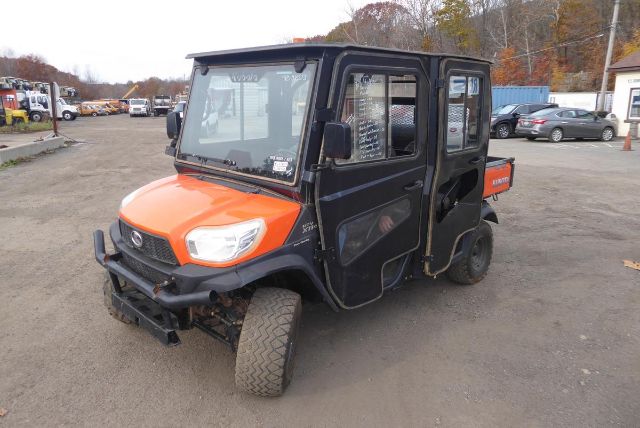
Have 2018 trucking equipment to sell? List it here to reach thousands of buyers.
About 2018 Trucking Equipment
For 2018 model year trucks, pay close attention to engine make, horsepower, torque rating, transmission type, axle ratio, wheelbase, and GVWR or GCWR. Many 2018 units were spec'd with automated manual transmissions, updated aftertreatment systems, collision mitigation options, and more advanced telematics than older trucks. On-road buyers should review sleeper size, fairings, fuel capacity, fifth wheel setup, and front axle ratings. Vocational buyers should focus on PTO provision, frame reinforcement, suspension type, pusher or tag axle configuration, and body compatibility for dump, service, rollback, or mixer applications. If the category includes trailers, common decision points include trailer length, axle spread, floor type, suspension, lift axles, tire inflation systems, scuff liners, rear frame design, and kingpin settings.
Condition matters more than model year on used trucking equipment, so inspection should center on service history and wear points. For trucks, that means aftertreatment health, DEF system performance, engine blow-by, transmission calibration, suspension wear, brake life, tire match, and signs of frame or cab corrosion. For trailers and support equipment, check crossmembers, landing gear, air lines, bushings, brake components, floor condition, door seals, and evidence of prior structural repair. A clean 2018 unit with documented maintenance can outperform a newer piece with poor records, especially in fleets trying to control downtime and standardize parts.
A 2018 equipment purchase often appeals to owner-operators, expanding fleets, and private carriers that want a balance of technology, compliance, and manageable capital cost. The best choice is usually the one with the clearest application fit, not simply the lowest miles or lowest price. Look at how the equipment was spec'd, how it was maintained, and whether its dimensions, ratings, and operating systems align with your lanes, freight, drivers, and shop capabilities.
Frequently Asked Questions
What should I look for first when buying 2018 trucking equipment?
Start with the application and the original spec. A 2018 unit can still be an excellent buy if its axle ratings, wheelbase, engine and transmission setup, suspension, and body or trailer configuration match the work you need it to do. After that, review maintenance records, fault codes, wear items, and any signs of deferred repairs. On used equipment, a correct spec with solid service history usually matters more than the model year by itself.
Is 2018 trucking equipment a good balance between price and modern features?
Yes, 2018 is often a practical middle ground for buyers who want newer technology without late-model pricing. Many 2018 trucks and trailers include improved safety systems, better telematics integration, more refined automated transmissions, and more current emissions components than older units. At the same time, depreciation has usually made them more accessible than newer replacements, which can improve return on investment if maintenance has been consistent.
How important are emissions and aftertreatment checks on 2018 trucks?
They are critical. By 2018, diesel trucks were fully dependent on modern emissions systems including EGR, DPF, SCR, and DEF-related components. A truck that appears mechanically sound can still become expensive if the aftertreatment system has recurring faults, poor regen history, or evidence of tampering. Buyers should scan for active and inactive codes, verify regen performance, inspect DEF quality and dosing components, and review service records related to sensors, injectors, and filters.
What specs matter most on a 2018 trailer or vocational unit?
The most important specs are the ones tied directly to payload, route, and loading method. On trailers, buyers usually focus on length, width, height, axle configuration, suspension, floor construction, rear frame, door style, and kingpin setting. On vocational equipment, key items include frame strength, PTO capability, hydraulic setup, body compatibility, axle spacing, and legal weight distribution. These details affect uptime, loading efficiency, tire wear, and compliance in day-to-day service.
Should I choose a lower-mile 2018 unit over one with better maintenance records?
Not automatically. Lower miles can be attractive, but maintenance history often tells the more important story. A 2018 truck or trailer with documented preventive maintenance, quality repairs, and consistent inspections is usually a safer purchase than a lower-use unit with gaps in records or signs of neglect. Mileage, hours, and age all matter, but condition and service documentation are what usually determine long-term operating cost.