
2017 Trucking Equipment For Sale
Browse 2017 trucking equipment for sale, including trailers, trucks, bodies, and support equipment with specs that matter for fleet and owner-operator use.
Learn morePopular Trucking Equipment Categories
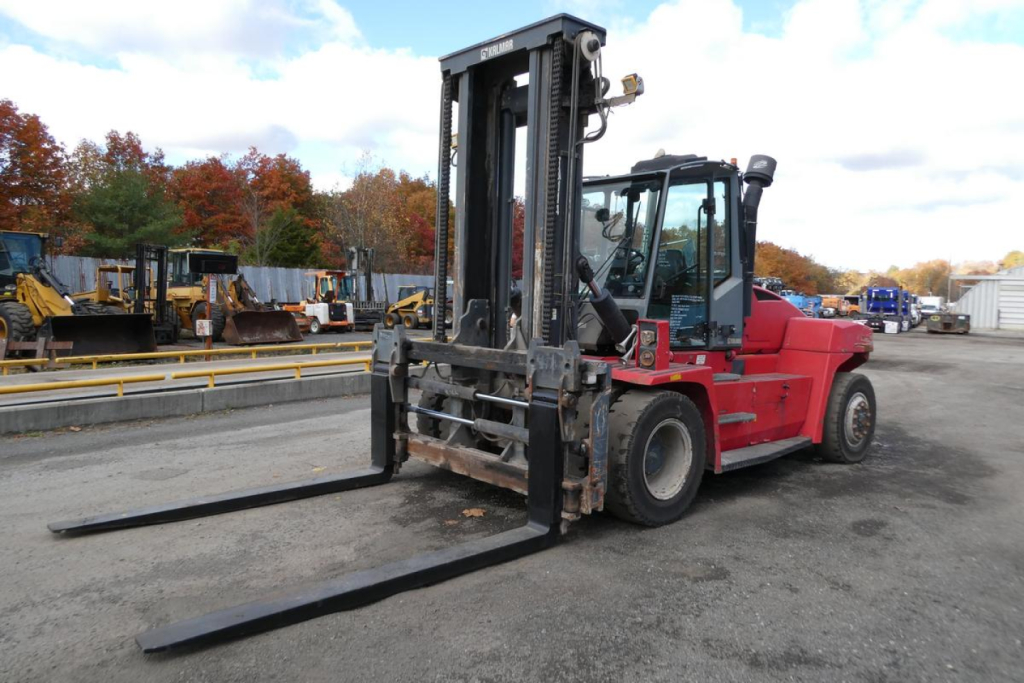
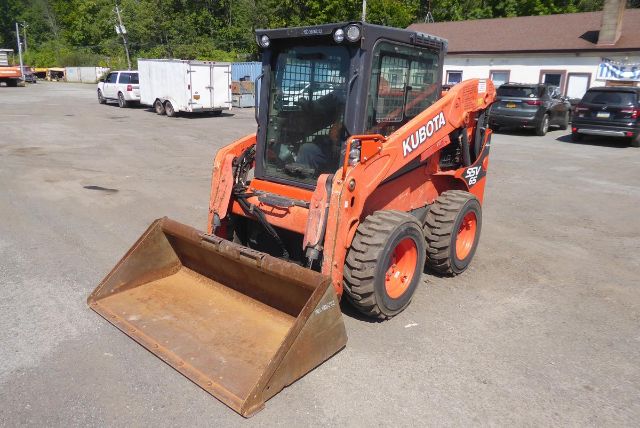
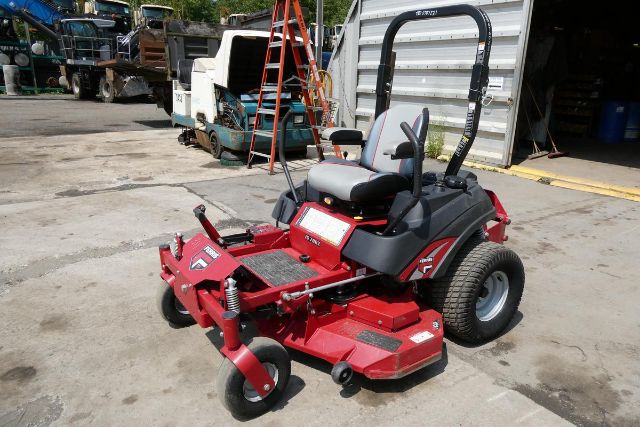
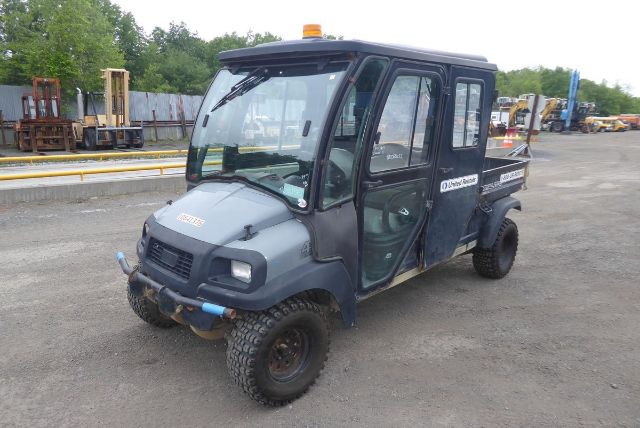
Have 2017 trucking equipment to sell? List it here to reach thousands of buyers.
About 2017 Trucking Equipment
The term trucking equipment covers a wide range of assets, so the right evaluation starts with use case. On-road buyers may be comparing day cabs, sleeper trucks, dry vans, reefers, flatbeds, lowboys, dump trailers, service bodies, and vocational truck bodies. Support equipment can also include forklifts, loaders, and yard units used around freight terminals, farms, construction sites, and material handling operations. On 2017-model equipment, key checkpoints include engine hours versus miles where applicable, aftertreatment service records, brake and suspension condition, tire date codes, hydraulic leaks, structural rust, electrical integrity, and signs of hard vocational use. If the unit is trailer-related, pay close attention to crossmembers, floor condition, kingpin wear, slider operation, ABS status, and any evidence of frame or rear impact repair.
For powered 2017 equipment, buyers should look closely at emissions components such as DPF, DEF, EGR, and related sensors because uptime and repair cost often come down to how well those systems were maintained. Transmission type is another major decision point. Automated manuals are common in this era and can improve fuel efficiency and driver acceptance, while traditional manuals still appeal in certain vocational or specialty applications. Suspension setup, axle ratings, PTO provisions, wheelbase, and body or trailer compatibility all affect how useful a unit will be in daily service. On support equipment such as forklifts or loaders, hydraulic performance, mast or boom wear, tire type, lift capacity, and attachment condition are just as important as engine make.
A strong 2017 trucking equipment purchase is usually the one that matches the job without carrying unnecessary complexity. Regional freight operations may prioritize fuel economy, sleeper size, aero packages, and maintenance documentation. Vocational buyers often care more about frame integrity, PTO operation, hydraulic system health, and axle configuration. Trailer buyers may focus on spread versus tandem setup, air ride versus spring ride, lining or floor type, door condition, and liftgate or refrigeration components if equipped. Across the category, the smartest comparison is not just age or price. It is total cost of ownership, parts support, service access, and how easily the equipment fits the route, payload, and duty cycle it will see.
Frequently Asked Questions
What should I look for first when buying 2017 trucking equipment?
Start with the unit’s actual job history and maintenance records. A 2017 model can still be an excellent value, but miles, hours, idle time, load type, and prior operating environment tell you more than age alone. On trucks, review engine and aftertreatment service, transmission behavior, suspension wear, brake life, and signs of collision or corrosion. On trailers, inspect the frame, kingpin area, crossmembers, floor, roof, doors, and running gear. On forklifts or other support equipment, focus on hydraulic function, lift capacity, tire condition, mast or boom wear, and any leaks or warning lights.
Is 2017 a good year to buy used trucking equipment?
For many buyers, yes. 2017 equipment is often modern enough to provide current drivability, common parts availability, and compatibility with present-day fleet maintenance practices, while still being priced below newer late-model equipment. The value depends on condition and specification. A well-maintained 2017 unit with documented service can be a better buy than a newer piece with poor history or an incorrect spec for the work.
Do 2017 trucks have emissions systems that need special attention?
Yes. Most 2017 diesel trucks and many other diesel-powered units use emissions components such as DPF, DEF, SCR, and EGR systems. These systems are reliable when maintained properly, but deferred service can become expensive. Buyers should ask about parked regens, fault history, injector work, sensor replacement, DPF cleaning intervals, and any aftertreatment repairs. A pre-purchase diagnostic scan is a smart step because active or stored codes can reveal issues that are not obvious on a short test drive.
How do I compare a 2017 truck or trailer with different specs?
Compare them by application first, then by total operating cost. For trucks, look at axle ratings, wheelbase, engine rating, transmission type, PTO setup, suspension, and cab configuration. For trailers, compare length, axle spread, suspension type, floor construction, lining, door style, and any specialized equipment such as liftgates or refrigeration units. Two 2017 units can be priced similarly but perform very differently depending on payload, route type, loading method, and maintenance demands.
Are support machines like forklifts and loaders considered part of trucking equipment?
They often are, especially in operations that handle freight, pallets, building materials, or yard loading. A 2017 forklift, rough-terrain forklift, loader, or terminal support machine can be just as important to uptime as the truck or trailer itself. Buyers should match lift height, capacity, tire type, fuel type, attachment setup, and serviceability to the worksite. The wrong support equipment creates delays at the dock, in the yard, or on delivery sites even if the truck fleet is properly spec’d.