
2016 Trucking Equipment For Sale
Browse 2016 trucking equipment for sale, including trailers, lift equipment, support units, and job-ready assets for fleet and yard operations.
Learn morePopular Trucking Equipment Categories
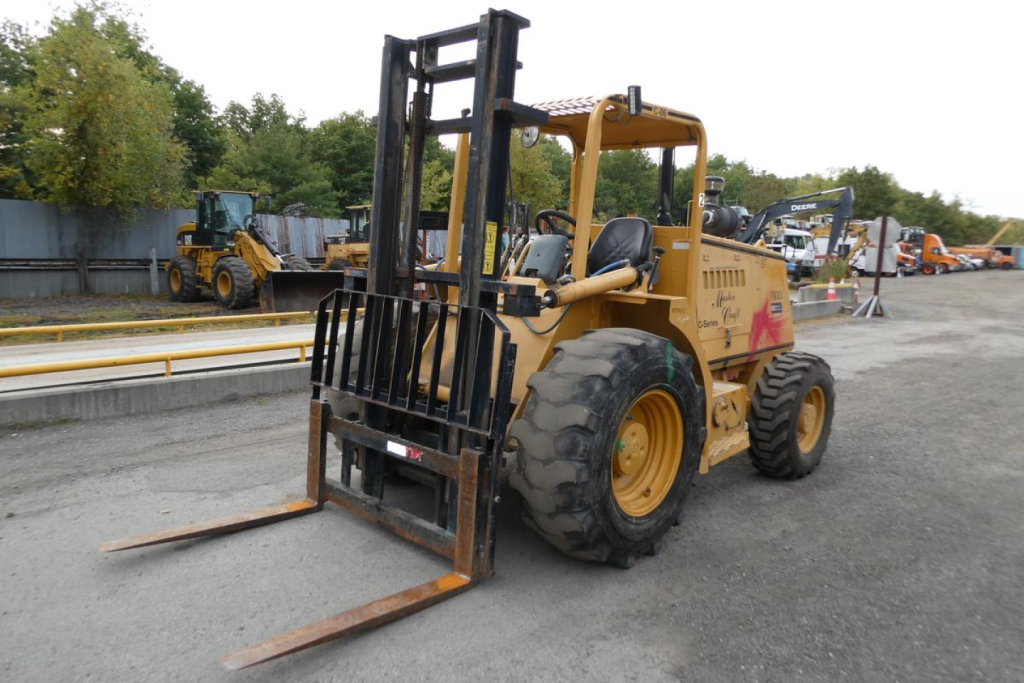
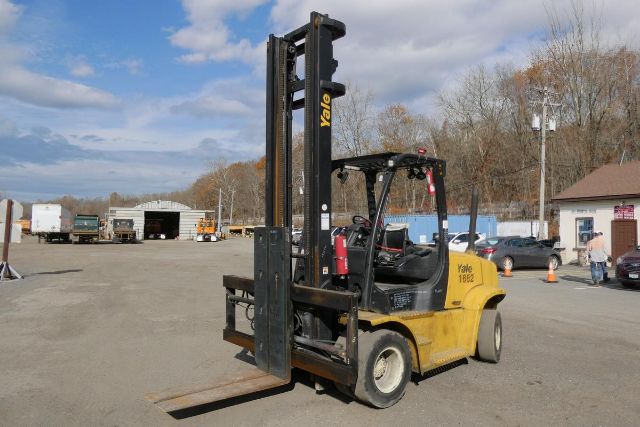
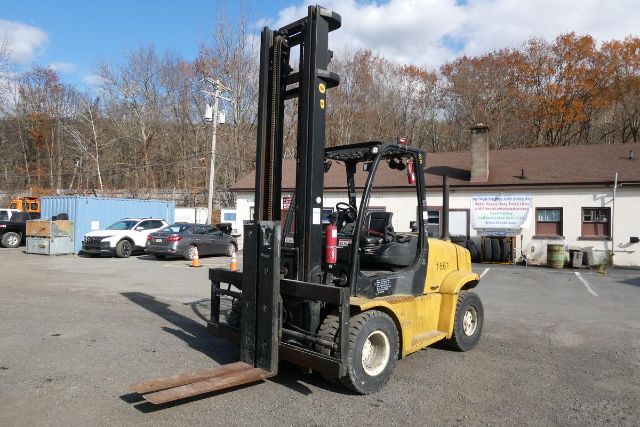
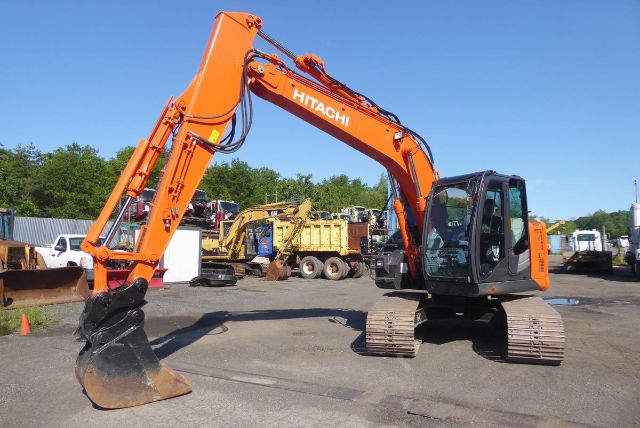
Have 2016 trucking equipment to sell? List it here to reach thousands of buyers.
About 2016 Trucking Equipment
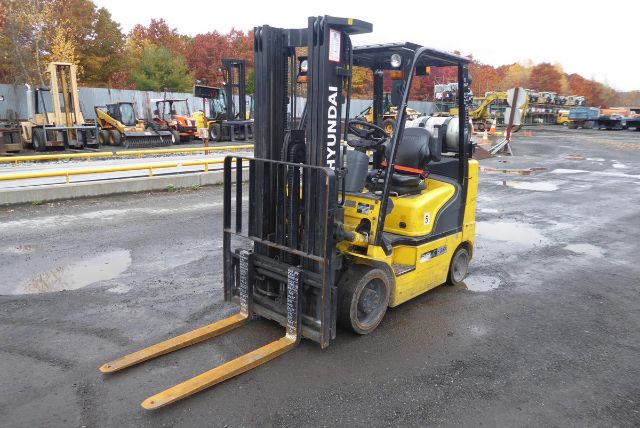
Buyers should focus first on application, then on serviceability. A 2016 piece of trucking equipment may be intended for dock work, pallet handling, material movement, trailer support, or general freight operations, and the right fit depends on capacity, dimensions, power source, and operating environment. For lift equipment, that means checking lift capacity, mast configuration, side shift, tire type, overall lowered height, and fuel system such as LPG, diesel, or electric. For trailers and other transport-related equipment, the important points shift to axle ratings, suspension, floor condition, brake type, tire size, kingpin setting, landing gear, and any body or frame wear that affects legal payload and operating life.
Condition matters more than age alone on 2016 used equipment. A well-maintained unit with clear service history, dry cylinders, solid tires or matched rubber, responsive hydraulics, and tight steering can outperform a newer machine that has been neglected. Hour meter or mileage readings should be viewed alongside wear points such as mast pins, chain stretch, fork condition, brake response, frame rust, electrical function, and evidence of leaks or impact damage. On support equipment used around trucking facilities, buyers should also verify practical details that affect uptime, including parts availability, simplicity of the drivetrain, and whether the machine uses widely supported components from major OEMs.
A 2016 model year can be a strong choice for fleets, owner-operators, warehouses, and contractors that need dependable equipment without stepping into new-equipment pricing. The best units in this class are not defined by year alone but by how closely their specs match the job. Capacity, operating weight, transport dimensions, fuel type, hydraulic performance, and overall structural condition should drive the buying decision. When those fundamentals line up with the work, 2016 trucking equipment can still deliver solid service life and lower total acquisition cost.
Frequently Asked Questions
What does “2016 trucking equipment” usually include?
This category usually covers a wide range of commercial equipment tied to freight and fleet operations, not just road tractors. It can include trailers, forklifts, yard support machines, loading equipment, and other assets used to move, store, load, or support cargo. Because the category is broad, buyers should filter by actual job function first, then compare year, make, model, capacity, and condition.
Is 2016 model year trucking equipment still a good buy?
Yes, 2016 equipment can still be a strong value if the unit has been maintained properly and the specifications fit the work. Many 2016 machines and trailers remain attractive because they offer proven designs, broad parts support, and lower purchase cost than newer units. The real buying decision should come down to service records, structural condition, wear items, and expected repair exposure rather than the model year by itself.
What should I inspect first on used 2016 trucking equipment?
Start with the major systems that determine safety, uptime, and repair cost. On lift and hydraulic equipment, inspect cylinders, hoses, mast wear, tilt function, side shift operation, brakes, steering, and tire condition. On trailers or transport equipment, inspect the frame, crossmembers, suspension, brakes, tires, floor, wiring, lights, and any signs of corrosion, cracking, or prior damage. A strong visual inspection should be backed by an operational check whenever possible.
How important are hours or mileage on 2016 equipment?
Hours and mileage matter, but they do not tell the whole story. A higher-hour unit that received consistent maintenance can be a better purchase than a lower-hour unit with neglected service, leaks, or structural wear. Buyers should compare the reading with pedal wear, seat condition, control slop, hydraulic response, drivetrain behavior, and maintenance documentation to judge whether the displayed usage matches the machine’s overall condition.
What specs matter most when comparing 2016 trucking equipment listings?
The most important specs depend on the equipment type, but the principle is the same: match the machine to the job. Buyers should look at rated capacity, operating weight, dimensions, power source, tire type, transmission, hydraulic features, and attachment compatibility on material handling equipment. On trailers and freight-support equipment, focus on axle ratings, length, width, suspension, brake setup, kingpin setting, floor type, and any options that affect payload, loading, or maintenance.