
2015 Trucking Equipment For Sale
Browse 2015 trucking equipment for sale including trailers, forklifts, loaders, and support equipment with specs that matter to fleet buyers.
Learn morePopular Trucking Equipment Categories

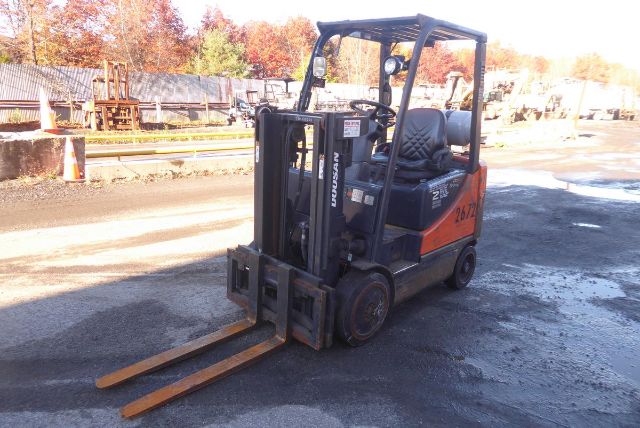
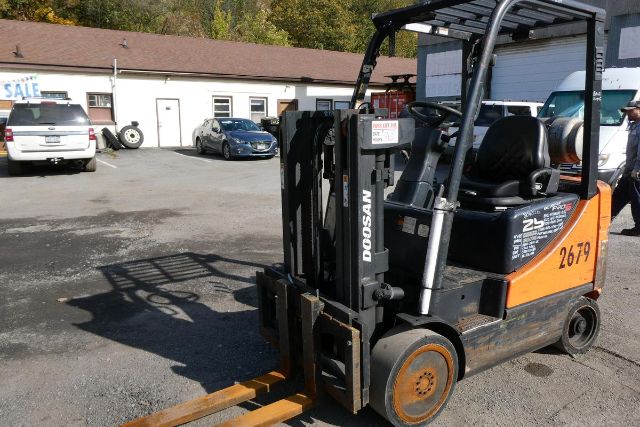
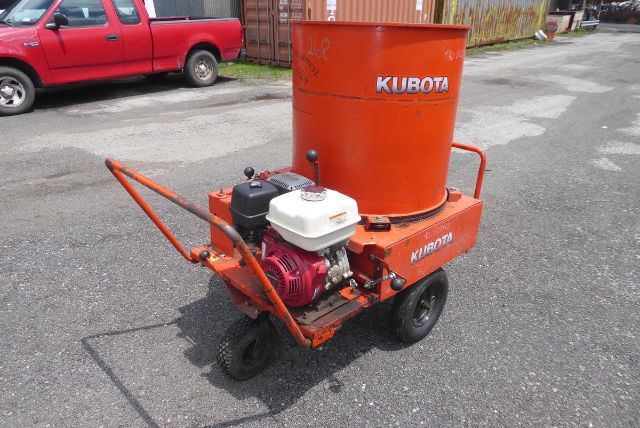
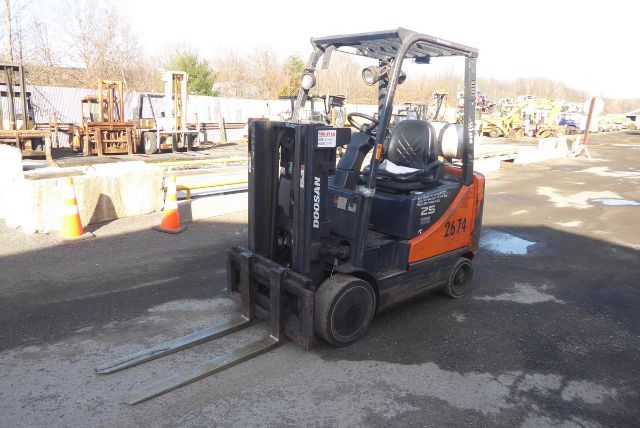
Have 2015 trucking equipment to sell? List it here to reach thousands of buyers.
About 2015 Trucking Equipment
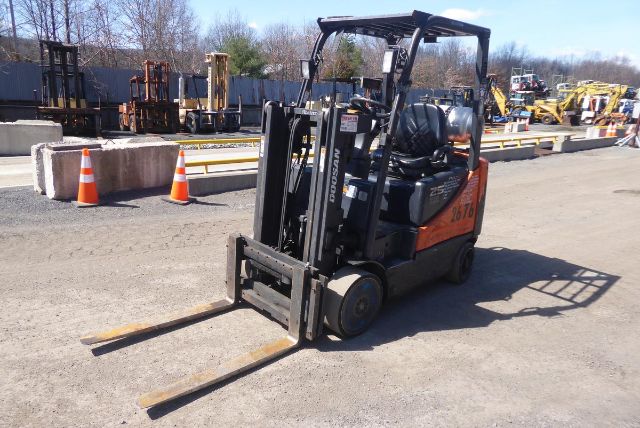
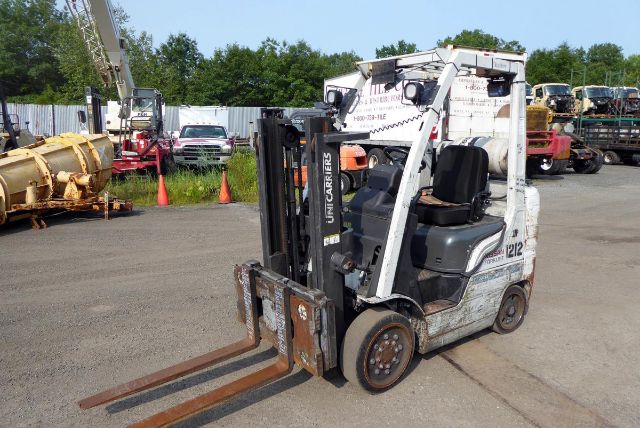
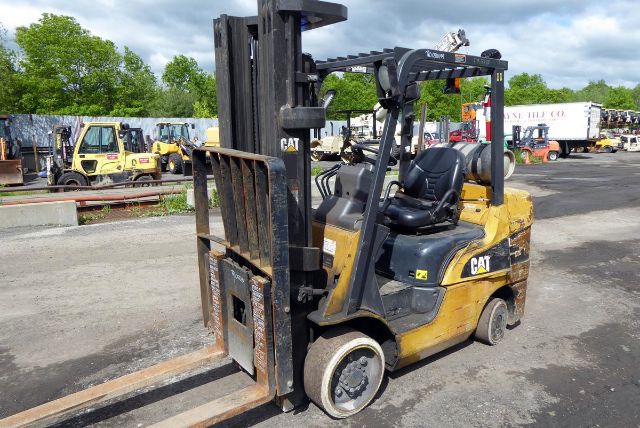
The right 2015 unit depends less on model year alone and more on application, hours, powertrain, hydraulic setup, and overall wear. On forklifts, buyers usually focus first on lift capacity, mast configuration, fuel type, fork length, side shift, and overall lowered height for door clearance. On wheel loaders and similar material handlers, operating weight, bucket or fork setup, auxiliary hydraulics, tire condition, articulation wear, and quick coupler type matter more than paint. If the equipment will support truck loading, pallet handling, bulk material movement, or yard cleanup, pay close attention to turning radius, visibility, attachment compatibility, and how easily the machine can be serviced in-house.
Condition matters more than age in this category, so buyers should evaluate cylinders for leaks, pins and bushings for play, transmission engagement, brake response, and cold-start behavior. Hour meter readings help, but maintenance records, undercarriage or tire wear, mast and carriage wear, and the condition of hoses, wiring, and controls usually tell the real story. Diesel, propane, and hydrostatic or powershift configurations each have their place depending on indoor use, fuel availability, operator preference, and duty cycle. A 2015 machine with clean hydraulics, tight steering, and consistent service history can be a better value than a newer unit with deferred maintenance.
For mixed fleets, 2015 trucking equipment can be a strong fit because it covers the support side of transportation that often gets overlooked. Loading docks, container yards, maintenance shops, aggregate lots, and agricultural operations all rely on dependable machines that can handle daily material movement without excessive downtime. Buyers comparing listings should match the machine to the actual workload first, then compare capacity, dimensions, attachment setup, and known wear points. That approach usually leads to better long-term value than shopping by price alone.
Frequently Asked Questions
What kinds of equipment are commonly included in 2015 trucking equipment listings?
2015 trucking equipment can cover a broad range of support machines used in freight and industrial operations. Common examples include forklifts, wheel loaders, yard and warehouse handling equipment, and other machines used to load trailers, move pallets, handle bulk material, or maintain a yard. The exact category matters more than the model year, so buyers should start by identifying the job the machine needs to perform and then compare the capacity, size, attachment setup, and powertrain that best fit that application.
Is 2015 trucking equipment a good value for a commercial buyer?
In many cases, yes. A 2015 machine often offers a favorable balance between purchase price, usable service life, and parts availability. Many units from this year still have modern operator controls, strong manufacturer support, and familiar mechanical systems that independent shops can service. The real value depends on hours, maintenance history, and wear condition, especially in hydraulics, drivetrain components, steering, brakes, and structural pivot points.
What should I inspect first on used 2015 forklifts or loaders?
Start with the systems that are expensive to repair and critical to daily use. On forklifts, check mast wear, carriage condition, chain wear, hydraulic leaks, lift and tilt function, brake performance, and fuel system condition. On loaders, inspect articulation points, pins and bushings, bucket or fork attachment wear, hydraulic response, tire condition, transmission engagement, and axle integrity. On both types, look for cold-start issues, smoke, warning lights, and signs of neglected service such as fluid contamination or cracked hoses.
How important are hours on 2015 trucking equipment?
Hours are important, but they should not be treated as the only measure of condition. A lower-hour machine that sat outside with poor maintenance can be a worse buy than a higher-hour unit with documented service and consistent upkeep. Hour readings are most useful when paired with visible wear, maintenance records, and the machine's overall operating feel. Buyers should compare meter readings against pedal wear, seat condition, controls, tires, mast or linkage wear, and service intervals to judge whether the machine has been properly maintained.
Which specs matter most when comparing 2015 material handling equipment?
The most important specs depend on the job, but several items consistently matter. Buyers should compare lift or operating capacity, overall machine weight, attachment type, mast or bucket configuration, fuel type, hydraulic options, dimensions, and tire setup. For truck-related use, lowered height, fork length, side shift, quick couplers, auxiliary hydraulics, and turning radius can be especially important because they directly affect loading efficiency, trailer access, and yard maneuverability.