
2014 Trucking Equipment For Sale
Browse 2014 trucking equipment for sale including support machines, material handling units, shop equipment, and yard tools for fleet operations.
Learn morePopular Trucking Equipment Categories

Have 2014 trucking equipment to sell? List it here to reach thousands of buyers.
About 2014 Trucking Equipment
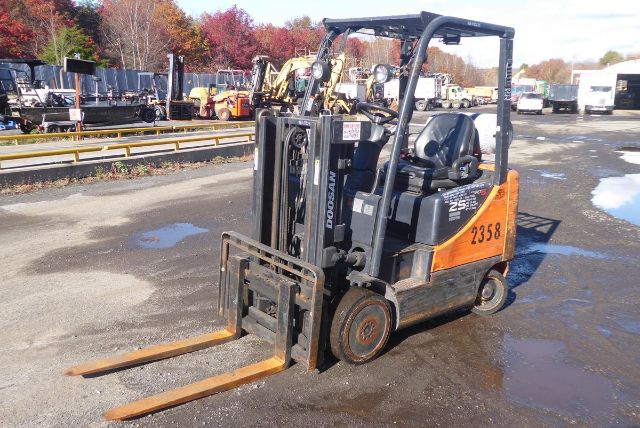
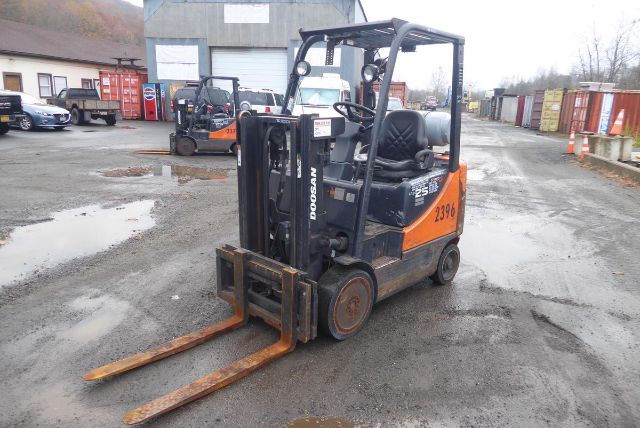
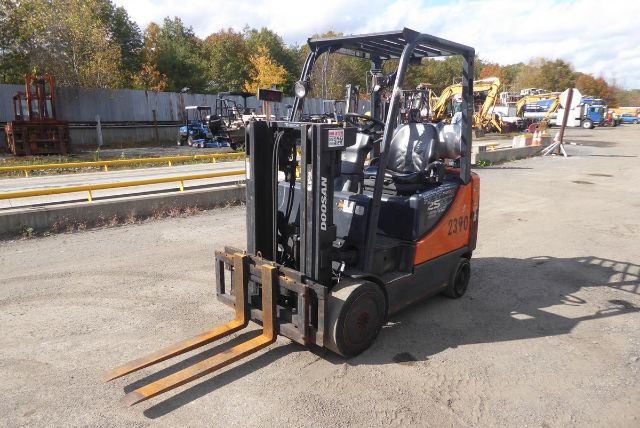
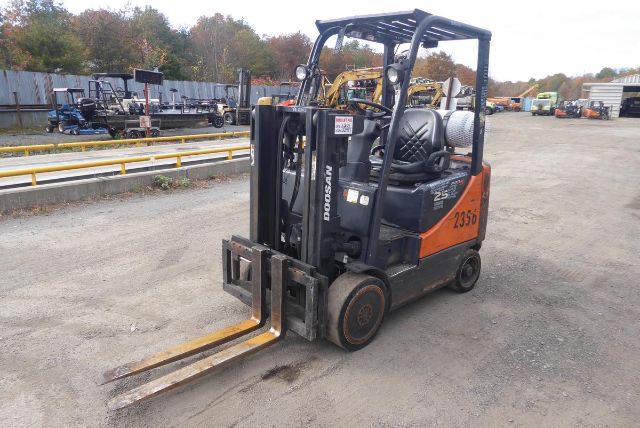
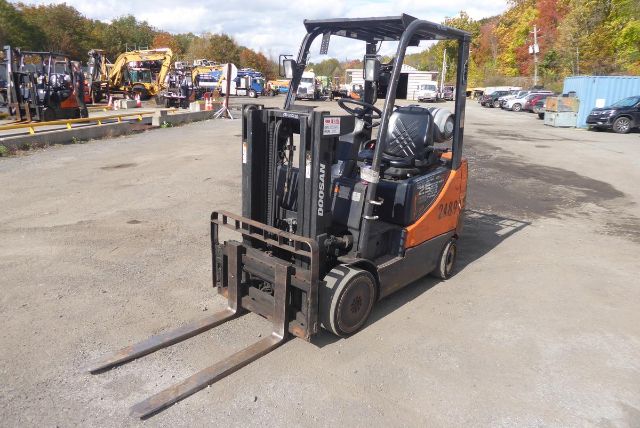
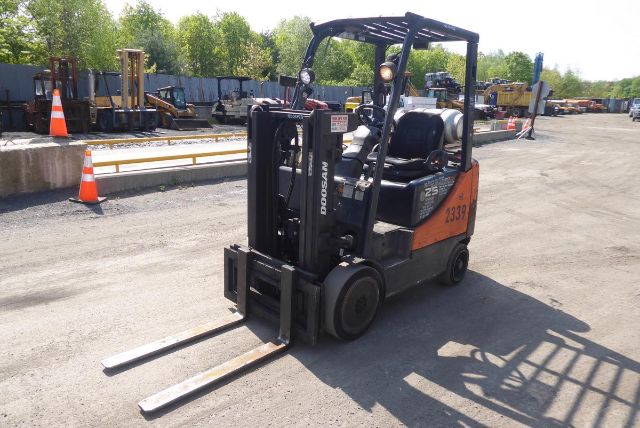
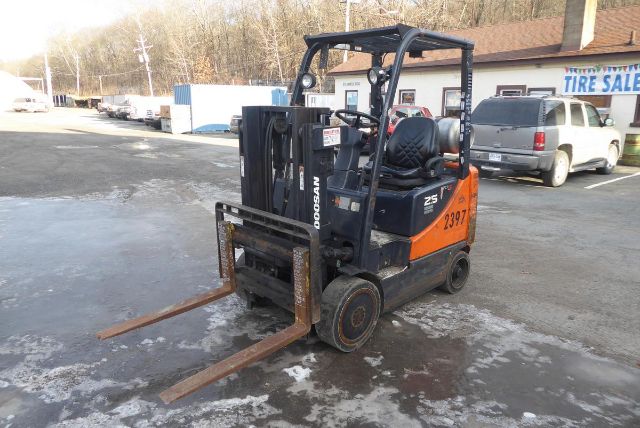
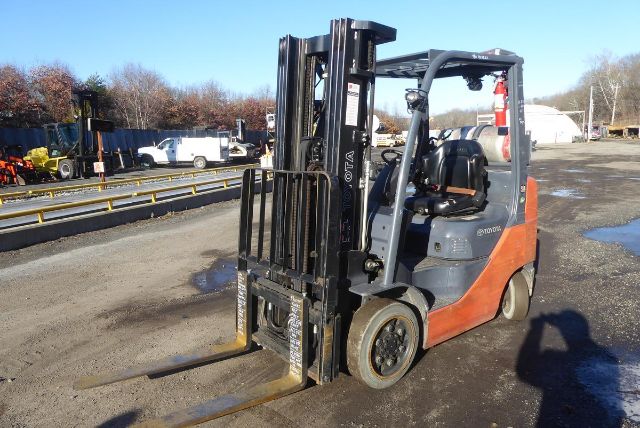
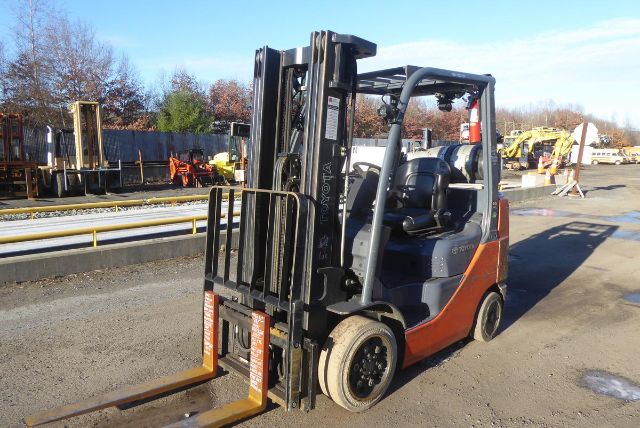
A 2014 model year can be a practical middle ground for buyers who want newer design features without paying late-model pricing. Depending on the equipment type, that may mean improved operator controls, better service access, more refined hydrostatic or automatic transmissions, and updated emissions components on diesel-powered units. For material handling equipment such as forklifts, common decision points include rated lift capacity, mast style, collapsed height, side shift, fork length, fuel type, and whether the unit is set up for indoor or outdoor use. Cushion-tire propane forklifts are common around freight docks and warehouses because they are compact, maneuverable, and easy to refuel, while pneumatic-tire units are often better suited for rougher yard surfaces.
Condition matters more than age alone in this category. Hour meter readings, hydraulic performance, cylinder leakage, steer axle wear, transmission engagement, brake response, and tire condition all tell you more than the model year by itself. On forklifts, buyers should pay attention to mast wear, chain condition, carriage play, lift and tilt function, and whether attachments such as side shift, fork positioners, scales, or clamps are working properly. On sweepers and towable support equipment, inspect broom wear, water systems, hydrostatic drive response, axle condition, and structural integrity around the frame and hitch points. If the machine supports daily trucking operations, downtime and parts availability should weigh heavily in the decision.
The best 2014 trucking equipment purchase is the one that fits the workload, not just the budget. A machine that is oversized for the task can create access and maintenance issues, while an undersized unit slows loading cycles and increases wear. Look closely at operating weight, transport dimensions, service history, engine family, and attachment compatibility before buying. For fleets, owner-operators with yards, and warehouse-based carriers, the right support equipment can improve turnaround time, reduce labor strain, and keep the rest of the operation productive.
Frequently Asked Questions
What counts as trucking equipment in a 2014 for sale category?
This category usually includes support equipment used around trucking operations rather than only road-going trucks. Common examples include forklifts, terminal and yard support machines, sweepers, loading tools, and other equipment used for handling freight, maintaining facilities, or supporting shop and yard work. The exact mix can vary, so buyers should focus on the machine’s role in their operation and the specs that affect productivity, transportability, and maintenance.
Is a 2014 model year a good value for used trucking equipment?
A 2014 unit can be a strong value if the machine has been maintained well and has the right specification for the job. Many 2014 machines are modern enough to offer good parts support and familiar controls, while still being priced below newer equipment. The better buy is usually the unit with clear maintenance history, solid hydraulic and drivetrain performance, and minimal structural or mast wear rather than the one with the newest paint or lowest asking price.
What should I inspect first on a used 2014 forklift or yard support machine?
Start with the basics that affect safety and operating cost. Check the hour meter, cold start behavior, hydraulic lift and tilt response, leaks at cylinders and hoses, transmission engagement, brake function, steering play, and tire condition. For forklifts, inspect mast rails, lift chains, carriage rollers, and attachments such as side shift or clamps. For sweepers or towable support machines, inspect the broom system, water system, hitch structure, frame condition, and overall wear on moving components.
How important are fuel type and tire type when buying 2014 trucking equipment?
They are critical because they determine where and how the machine can work. Propane units are common in warehouse and dock environments because refueling is quick and indoor use is manageable in properly ventilated settings. Diesel equipment is often preferred for heavier outdoor work and rougher duty cycles. Tire type matters just as much. Cushion tires work well on smooth concrete, while pneumatic tires are better for uneven yards, gravel, and mixed surfaces. Choosing the wrong combination can reduce productivity and increase wear.
Should buyers focus more on hours or overall condition on 2014 equipment?
Overall condition usually matters more than hours alone. A lower-hour machine that sat outside, missed service intervals, or has hydraulic and structural issues can be a poorer choice than a higher-hour unit with documented maintenance and strong operating performance. Hours are useful for context, but buyers should evaluate service records, visible wear points, driveline response, hydraulic function, and parts availability to judge the real value of the machine.